
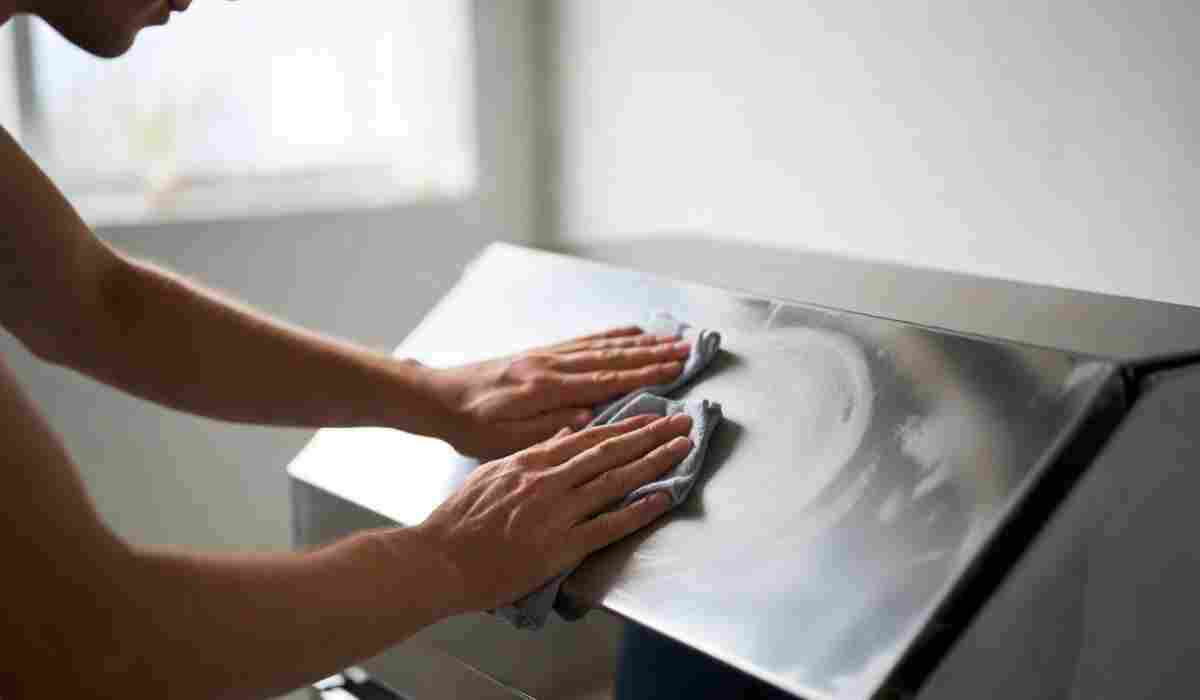

Cleaning stainless steel can sometimes feel tricky. Many people wonder how to clean stainless steel because it can show smudges and water spots easily. If you’re new to this, it might seem like a lot to figure out.
But don’t worry! We’ve got simple steps that will make your stainless steel shine like new again. Get ready to see your appliances sparkle.
Key Takeaways
- You can easily clean stainless steel using common household items.
- Always wipe in the direction of the grain to avoid scratches.
- Vinegar and baking soda are effective natural cleaners for tough spots.
- Proper drying prevents water spots and streaks.
- Protect your stainless steel from future smudges with a polish.
- Different types of stainless steel might need slightly different care.
Understanding Stainless Steel Cleaning
Why Stainless Steel Can Be Tricky
Stainless steel looks great in kitchens and bathrooms. It’s strong and doesn’t rust easily. But it’s also a magnet for fingerprints, watermarks, and grease.
This makes it a common item that people need to know how to clean stainless steel for. Beginners often worry about scratching the surface or leaving streaks behind. Getting that mirror-like shine can feel like a challenge without the right approach.
We will show you how to do it right.
The Importance of the Grain
One of the most important things when cleaning stainless steel is to pay attention to the direction of the grain. Most stainless steel surfaces have a subtle pattern running through them. This is called the grain.
It usually runs in one direction, either horizontally or vertically. If you rub against the grain, you can cause tiny scratches that dull the shine. It’s like brushing your hair the wrong way; it just doesn’t feel right and can cause damage over time.
Always wipe and polish along with this grain. This simple step makes a big difference in how your stainless steel looks and lasts.
Simple Methods For Cleaning Stainless Steel
Everyday Cleaning With Soap and Water
For daily cleaning, you don’t need fancy products. A little bit of mild dish soap mixed with warm water is usually all you need. Get a soft cloth or a sponge.
Dampen it in the soapy water, but don’t soak it. Gently wipe down the stainless steel surface. Make sure to wipe following the direction of the grain.
This helps lift away everyday dirt and light grease. After wiping, use a clean, damp cloth with just plain water to rinse away any soap residue. This prevents soap scum from building up.
Quick cleanups like this keep your stainless steel looking good day after day.
Tackling Tougher Stains and Grease
Sometimes, you’ll encounter tougher messes like dried-on food or greasy splatters. For these, you can try a paste made from baking soda and water. Mix about three parts baking soda with one part water to form a thick paste.
Apply this paste directly to the stained area. Let it sit for a few minutes. Then, gently rub the paste with a soft cloth or sponge, again, always following the grain.
The baking soda acts as a mild abrasive that can lift stubborn grime without scratching. Rinse the area thoroughly with a damp cloth to remove all the baking soda paste. This method is effective for more set-in dirt.
Using Vinegar for Shine and Disinfection
White vinegar is another excellent and natural cleaner for stainless steel. Its acidity helps break down mineral deposits from water spots and can also cut through grease. You can use it in a few ways.
For a general shine, mix equal parts white vinegar and water in a spray bottle. Lightly mist the stainless steel surface. Wipe it down with a soft, lint-free cloth, moving with the grain.
Another method is to soak a paper towel or soft cloth in undiluted white vinegar and place it over stubborn spots for a few minutes. This allows the vinegar to work on tough grime. After using vinegar, it’s a good idea to wipe the surface with a clean, damp cloth and then dry it thoroughly.
Dealing with Water Spots and Smudges
Water spots are a common problem on stainless steel, especially around sinks and dishwashers. They happen when water evaporates and leaves behind mineral deposits. To combat these, your best friend is a good drying cloth.
After cleaning and rinsing, always dry the stainless steel immediately and completely. Use a soft, microfiber cloth. Microfiber is great because it absorbs moisture well and won’t leave lint behind.
Wipe in the direction of the grain to ensure a streak-free finish. For very stubborn water spots, a little bit of vinegar spray can help dissolve them before you dry.
Polishing Stainless Steel for a Lasting Shine
Once your stainless steel is clean and dry, you can give it a polish to make it shine and help resist future smudges. There are commercial stainless steel polishes available that work very well. Follow the product instructions carefully.
Usually, you apply a small amount to a soft cloth and rub it into the surface, again, following the grain. For a more natural polish, you can use a tiny bit of olive oil or mineral oil. Apply just a few drops to a cloth and buff the stainless steel until it gleams.
This oil polish creates a barrier that helps repel fingerprints and water. Don’t use too much oil, or it can make the surface look greasy.
Specific Appliances and Their Needs
While the basic principles of cleaning stainless steel apply to most items, some appliances might have specific needs. For example, a stainless steel refrigerator door might get more fingerprints than a stainless steel sink. A stovetop might have baked-on grease that requires a bit more effort.
Always check the manufacturer’s care instructions for your specific appliance. They might recommend certain cleaners or warn against others. Generally, gentle is best.
Avoid abrasive scrubbers, steel wool, or harsh chemical cleaners, as these can permanently damage the finish.
Natural Cleaning Solutions
Baking Soda Paste
The baking soda and water paste is a favorite for many because it’s effective and safe. It gently lifts dirt without scratching. Remember to make a paste that’s not too watery.
You want it thick enough to stick to the stain. Applying it with a soft cloth and rubbing gently in the grain is key. After cleaning, rinse well with water.
Then, dry thoroughly. This method is great for greasy spots or dried-on food.
Vinegar Spray
A 50/50 mix of white vinegar and water in a spray bottle is a go-to for many tasks. It’s good for general cleaning and for tackling water spots. Spray it on, let it sit for a moment, then wipe.
If you have hard water build-up, undiluted vinegar on a cloth can help. After using vinegar, always rinse with plain water. This removes any lingering vinegar smell and residue.
Then, dry the surface completely for a streak-free shine.
Lemon Juice for a Fresh Scent
Lemon juice can also be used on stainless steel. It has a similar acidity to vinegar and can help cut through grease. Plus, it leaves a fresh scent.
You can mix lemon juice with a little water or baking soda to make a cleaning paste. Rub it gently onto the stainless steel surface following the grain. Rinse well with water afterward.
Be sure to dry the surface completely to prevent any stickiness from the juice.
Olive Oil or Mineral Oil for Polishing
For a beautiful, protective shine, a small amount of oil works wonders. Olive oil or mineral oil are good choices. Put just a few drops on a soft cloth.
Buff the stainless steel surface in the direction of the grain. This fills in microscopic scratches and creates a barrier against smudges. Wipe away any excess oil.
The surface will look shiny and be more resistant to fingerprints.
Tools and What to Avoid
Recommended Cleaning Tools
When you’re ready to clean stainless steel, a few simple tools will make the job easier and safer for your surfaces. Always start with soft cloths. Microfiber cloths are the best choice because they are highly absorbent, lint-free, and gentle.
You might also use soft sponges that are non-abrasive. For applying cleaners or pastes, a soft cloth or a non-abrasive sponge works well. For spray cleaners, a spray bottle is essential.
Having a separate dry cloth for buffing and drying is also a must. Keep these simple tools handy for all your stainless steel cleaning needs.
Things to Never Use
To keep your stainless steel looking its best, there are certain things you should avoid. Never use abrasive cleaners or scrub pads like steel wool, abrasive sponges, or scouring powders. These will scratch the surface and dull its shine.
Also, avoid harsh chemicals such as bleach, oven cleaners, or ammonia-based products. These can damage the protective layer of stainless steel and cause discoloration or pitting. Even some glass cleaners can be too strong.
Always stick to mild soap, vinegar, baking soda, or specific stainless steel cleaners.
Frequently Asked Questions
Question: How often should I clean my stainless steel appliances
Answer: For daily use, a quick wipe-down with a damp cloth or a mild soap solution is good. For a deeper clean or to remove smudges, clean as needed, usually a few times a week, depending on how much it’s used.
Question: Can I use my dishwasher to clean stainless steel items
Answer: Yes, many stainless steel items like cutlery and pots can go in the dishwasher. However, avoid using harsh detergents and always check the manufacturer’s label. Handwashing is often best for preserving the finish of high-end stainless steel cookware.
Question: What is the best way to remove rust spots from stainless steel
Answer: For rust spots, try a paste made from baking soda and water. Apply it to the rust spot, let it sit for a bit, then gently rub it off with a soft cloth following the grain. Rinse and dry thoroughly.
For stubborn rust, a specific stainless steel rust remover might be needed.
Question: Will cleaning stainless steel with vinegar make it rust
Answer: No, white vinegar is generally safe for cleaning stainless steel and will not cause it to rust. Its mild acidity helps clean and shine. However, always rinse with water after using vinegar to remove any residue and dry the surface well.
Question: How do I get rid of cloudy marks on my stainless steel
Answer: Cloudy marks are often caused by water spots or soap residue. First, clean the surface with a mild soap and water solution, rinsing thoroughly. Then, dry it completely with a microfiber cloth.
If marks persist, try a spray of diluted white vinegar, wipe, and dry again. Polishing with a little oil can also help.
Final Thoughts
Keeping your stainless steel looking great is simple when you know how. You have learned easy ways to clean, shine, and protect your stainless steel surfaces using everyday items. Remember to always wipe with the grain.
Use soft cloths and gentle cleaners. Baking soda, vinegar, and a little oil can do wonders. Dry everything well to avoid water spots.
Your stainless steel appliances and fixtures will look their best with these simple, effective methods.