
Lots of people wonder how to keep bread fresh. It can be tricky to stop it from going stale too fast. Many beginners find it hard to get it just right.
This guide will make it super simple. You’ll learn easy ways to enjoy your bread for longer. We will show you step-by-step.
Get ready to learn some simple tricks!
Key Takeaways
- Storing bread properly stops it from drying out.
- Different types of bread need different storage methods.
- A bread box is a good option for many kinds of bread.
- Freezing is a great way to save bread for a long time.
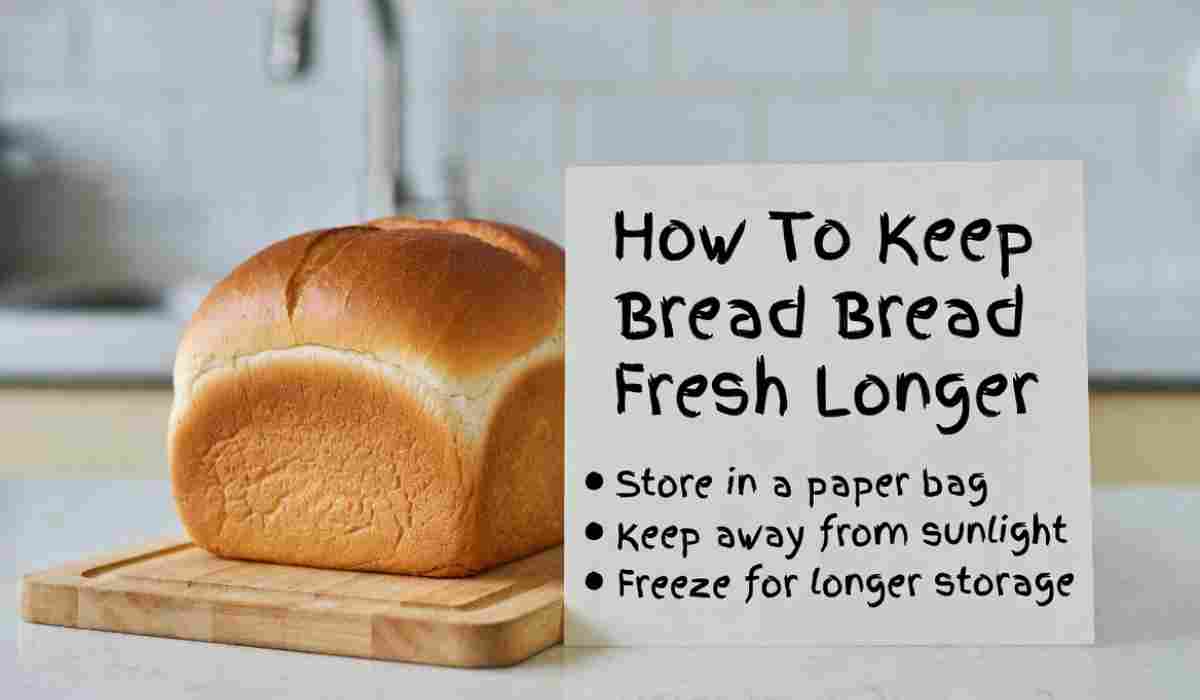
- Paper bags allow air to circulate, keeping crusty bread nice.
- Plastic bags trap moisture, which is good for soft bread but can lead to mold.
Understanding Bread Freshness
How To Keep Bread Fresh Longer The Simple Way
Keeping bread fresh is something everyone wants to do. No one likes dry, hard bread. The good news is, it’s not hard at all.
You just need to know a few easy tricks. We will break down the best ways to store your favorite loaves.
Why Bread Goes Stale
Bread gets stale because of a process called retrogradation. This happens when the starch molecules in the bread re-crystallize. This makes the bread hard and dry.
Things like temperature and moisture play a big role in how fast this happens. Storing bread the wrong way can speed up this process a lot.
The Best Ways to Store Bread
There are a few main ways to keep bread fresh. The best method depends on the type of bread you have and how long you need to store it. Let’s look at the most popular and effective options.
Using a Bread Box
A bread box is a classic choice for a reason. It helps keep bread at room temperature. It also shields it from light and air a bit.
This helps slow down staling. For most daily loaves like sandwich bread or sourdough, a bread box works very well.
The idea is to create a slightly humid but not wet environment. This prevents the bread from drying out too quickly. Make sure the bread box is clean inside before you put bread in it.
You can store bread directly in the box or keep it in its original bag.
Paper Bags
Paper bags are excellent for bread with a crispy crust, like a baguette or ciabatta. When you put crusty bread in a plastic bag, the moisture from the crust gets trapped. This makes the crust soft and soggy.
Paper bags let air flow through, which helps keep the crust crispy.
So, if you bought a fresh baguette and want to keep that nice crust for a day or two, a paper bag is your best friend. Just place the bread inside and fold the top closed. It’s a very simple method that works wonders for specific bread types.
Plastic Bags or Containers
For softer breads, like sandwich bread or brioche, plastic bags or airtight containers can be better. These methods help lock in moisture. This is good because soft breads tend to dry out faster than crusty ones.
When using a plastic bag, make sure to squeeze out as much air as possible before sealing it. This reduces exposure to air. If you use a plastic container, ensure it has a good seal.
This will keep your soft bread soft for several days. Just be mindful that too much trapped moisture can sometimes lead to mold if the bread is not eaten quickly enough.
Room Temperature Storage
For bread you plan to eat within a few days, storing it at room temperature is usually best. Avoid putting bread in the refrigerator. The cold temperature actually speeds up the staling process.
It makes the bread dry out and become hard much faster than leaving it on the counter.
So, unless you have a very hot or humid climate where mold is a big concern quickly, stick to room temperature storage for short-term needs. A bread box or a good bag will do the job nicely.
Freezing Bread
If you have a lot of bread or won’t eat it all quickly, freezing is an excellent option. Freezing bread stops the staling process almost completely. It keeps the bread fresh for weeks, even months.
To freeze bread, first, let it cool completely if it’s fresh from the oven. Then, slice it if you prefer. Wrap the loaf or slices tightly in plastic wrap.
After that, place the wrapped bread in a freezer-safe bag or container. This double layer of protection prevents freezer burn.
When you want to eat frozen bread, you can thaw it at room temperature. For slices, you can often toast them directly from frozen. This is a fantastic way to have fresh bread whenever you need it.
It saves money and reduces waste.
Storing Different Types of Bread
Crusty Breads
As mentioned, crusty breads like baguettes, Italian loaves, and sourdough with a thick crust do best when air can circulate. This keeps the crust crisp. Use a paper bag or a bread box that allows some air.
Avoid plastic bags, as they will make the crust soft and chewy.
For these breads, it’s best to buy them the day you plan to eat them or store them for only a day or two. Freezing can help preserve them if you have leftovers, but the crust might not be as perfect after thawing and toasting.
Soft Breads
Soft breads, such as sandwich bread, challah, or brioche, benefit from moisture. They tend to go stale quickly if left exposed to air. Storing them in a plastic bag or an airtight container is ideal.
This traps the moisture and keeps the bread soft and fresh for longer.
If you buy sliced sandwich bread, it usually comes in a plastic bag that works well for storage. For loaves bought from a bakery, transfer them to a sealed plastic bag or container once they have cooled.
Artisan and Sourdough Loaves
Artisan breads and many sourdough loaves have a hearty crust and a moist interior. The best approach can depend on how quickly you plan to eat them and what you value most – the crust or the soft interior.
For short-term storage (1-2 days), a bread box is a good choice. It offers a balance, protecting the bread from drying out too fast while letting the crust retain some crispness. If you want to keep them for longer, slicing and freezing is the best bet.
Quick Breads and Muffins
Quick breads, like banana bread or zucchini bread, are technically cakes and have a different texture. They are usually best stored in an airtight container at room temperature. They can last for several days this way.
If they contain fruit or dairy, they might benefit from refrigeration, but this can dry them out.
Muffins are similar. Store them in an airtight container at room temperature for a day or two. For longer storage, wrap them well and freeze them.
Common Mistakes to Avoid
Refrigerating Bread
This is a big one. Many people think refrigerating bread will keep it fresh. It’s the opposite!
The cold temperature makes the starch molecules harden faster. This makes bread stale much quicker. Only refrigerate if you have a very humid and warm environment where mold is an immediate concern.
Not Cooling Bread Fully Before Storing
If you bake your own bread, always let it cool completely on a wire rack before storing it. Warm bread releases steam. If you trap this steam in a bag or box, it can make the bread soggy and encourage mold growth.
Patience here is key for freshness.
Leaving Bread Exposed to Air
Unless you’re storing a crusty loaf for a single day, leaving bread out in the open air is a recipe for disaster. It will dry out very quickly. Always use a bag, container, or bread box to protect it.
Frequently Asked Questions
Question: Can I freeze bread for a long time
Answer: Yes, you can freeze bread for up to 3-6 months. Make sure to wrap it very well to prevent freezer burn.
Question: Should I store bread in the fridge
Answer: No, it is generally not recommended to store bread in the refrigerator. The cold makes it go stale faster.
Question: What is the best way to store a baguette
Answer: For a baguette, use a paper bag to keep the crust crispy. Eat it within a day or two.
Question: How long does bread last in a bread box
Answer: Bread in a bread box can stay fresh for 3-4 days, depending on the type of bread and room conditions.
Question: What if my bread gets moldy
Answer: If your bread has mold, it is best to discard the entire loaf. Mold can spread unseen into the rest of the bread.
Final Thoughts
Keeping bread fresh is easy when you know the right methods. Store crusty loaves in paper bags or bread boxes. Use plastic bags or containers for soft breads.
Always avoid the refrigerator. Freezing is a great long-term solution. With these simple tips, you can enjoy your bread longer.