
Many coffee lovers enjoy making espresso at home. But sometimes, mineral buildup can affect how your machine works and how your coffee tastes. Learning how to descale espresso machine is a common question for new users.
It might seem tricky at first, but it’s really simple. This guide will show you exactly how to do it step-by-step so you can enjoy perfect coffee again.
Key Takeaways
- You will learn why descaling is important for your espresso machine.
- This post explains the tools and solutions needed for descaling.
- You will get a clear, step-by-step guide on how to descale your machine.
- Discover how often you should descale your espresso machine.
- Learn tips to keep your machine clean and working well longer.
Why Descale Your Espresso Machine
Mineral deposits, often called limescale, build up in your espresso machine from the water you use. Think of it like rust inside pipes. This scale isn’t good for your machine.
It can slow down water flow, make the heating element work harder, and even cause your machine to break down. Over time, this buildup also affects the taste of your coffee, making it bitter or bland.
Regular cleaning, especially descaling, is key to keeping your espresso machine in top shape. It ensures your machine works efficiently and, more importantly, that every cup of coffee tastes just as delicious as it should.
When Is It Time To Descale
Several signs tell you it’s time to descale your espresso machine. One of the most obvious is if your machine starts taking longer to heat up. If you notice that less water is coming out when you brew or steam, that’s another clue.
Sometimes, you might hear strange noises coming from the machine, like gurgling or struggling sounds.
Your coffee might also start tasting different. If your espresso is less creamy or has a weaker flavor than usual, it could be due to scale buildup. Some modern machines even have a light or indicator that tells you when it’s time to descale.
Paying attention to these signals will help you keep your machine running smoothly.
What You Need To Descale
Getting ready to descale is simple. You don’t need many special tools. The main thing you need is a descaling solution.
You can buy specific espresso machine descalers at most appliance stores or online. Many people also use white vinegar, which is a natural and affordable alternative. However, check your machine’s manual first to make sure vinegar is safe for it.
Some manufacturers recommend against using vinegar as it can sometimes damage certain parts.
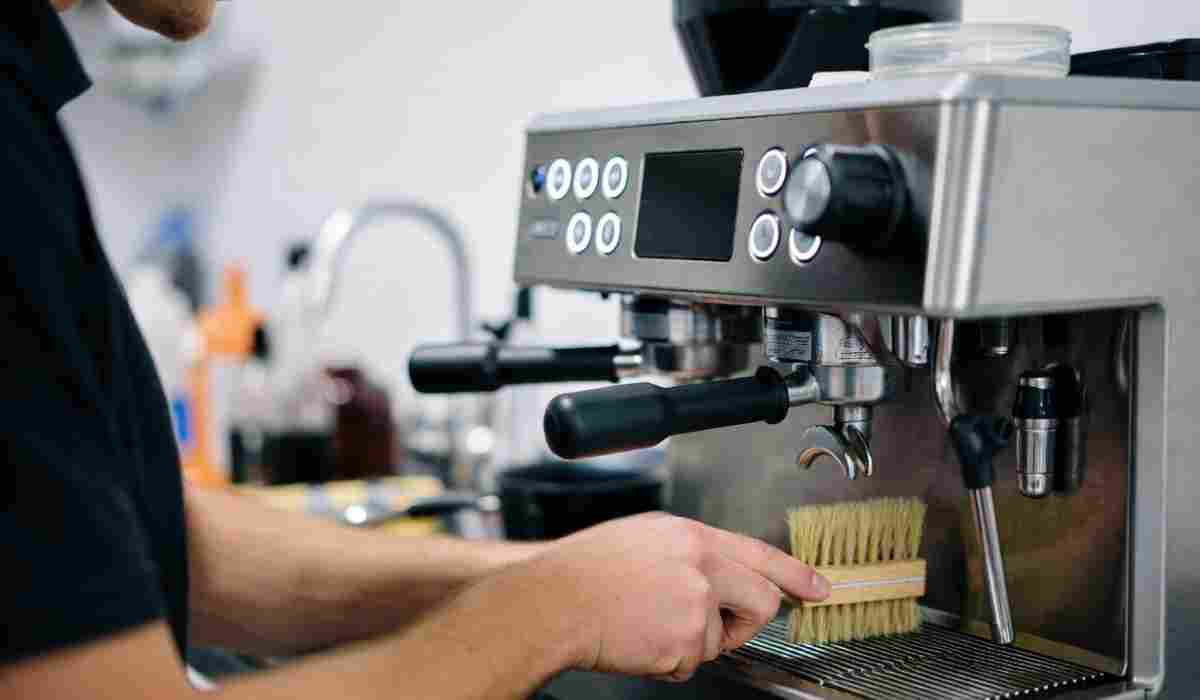
You will also need a soft cloth for wiping and a container to catch any water that drains from the machine. A small brush or pipe cleaner might be helpful for cleaning parts like the shower screen. Make sure you have plenty of fresh water on hand for rinsing.
Step-By-Step Guide To Descaling
Ready to get your machine clean? Follow these easy steps to descale your espresso machine. It’s not hard, and the results are worth it.
Step 1 Empty The Water Tank
Start by unplugging your espresso machine. Then, remove the water tank. Empty any leftover water from the tank into a sink.
Make sure to rinse the tank well with clean water.
Step 2 Prepare The Descaling Solution
If you are using a commercial descaling solution, follow the instructions on the package. Usually, you mix the solution with water in a specific ratio. If you are using white vinegar, a common mix is one part white vinegar to one part water.
Fill the water tank with this mixture.
Step 3 Run The Descaling Cycle
Place a large container under the steam wand and the brew head of your espresso machine. Turn the machine back on. If your machine has a dedicated descaling cycle, select it.
If not, you will need to manually run water through the machine.
To manually descale, run about half of the descaling solution through the brew head. Then, let the machine sit for about 15-20 minutes to allow the solution to work. After the waiting period, run the rest of the solution through the brew head.
Next, run some solution through the steam wand by opening the steam valve. Do this for a minute or two.
Step 4 Rinse The Machine Thoroughly
Once all the descaling solution has passed through the machine, discard the dirty water from your container. Rinse the water tank very well with clean water. Then, fill the water tank with fresh, clean water.
Now, run plain water through the brew head until the tank is empty. Do the same for the steam wand. You might need to repeat this rinsing process a couple of times to ensure all traces of the descaling solution are gone.
This is important so your coffee doesn’t taste like vinegar or chemicals.
Step 5 Clean Removable Parts
While your machine is rinsing, take this chance to clean any removable parts like the portafilter, filter basket, and drip tray. You can wash these with warm, soapy water. If the shower screen is removable, you can soak it in descaling solution or vinegar for a short time and then scrub it gently.
Step 6 Reassemble And Test
Once all parts are clean and rinsed, put your machine back together. Fill the water tank with fresh water. Plug in the machine and turn it on.
Run a cycle with just water to make sure everything is working properly and there are no leaks. Your espresso machine is now descaled and ready to brew!
How Often Should You Descale
The frequency of descaling depends on a few things. The hardness of your water is the biggest factor. If you have very hard water, you’ll need to descale more often.
Mineral buildup happens faster with harder water.
As a general rule, most people should aim to descale their espresso machine every 2 to 3 months. If you use your machine daily, or if you notice the signs mentioned earlier, you might need to descale more frequently. Some people with soft water might be able to go 4 to 6 months between descaling sessions.
Always refer to your espresso machine’s manual for specific recommendations. It will have the best advice for your particular model and usage habits. Keeping a small calendar reminder can help you stay on track.
Tips For Maintaining Your Espresso Machine
Keeping your espresso machine clean goes beyond just descaling. Simple daily and weekly habits can make a big difference. After each use, always rinse your portafilter and group head.
Wipe down the steam wand after every time you steam milk. This prevents milk residue from drying and becoming hard to clean.
Regularly empty and clean the drip tray. Also, backflush your machine with water regularly. If your machine has a water filter, remember to replace it according to the manufacturer’s instructions.
Using filtered or distilled water can also help reduce mineral buildup, meaning you might need to descale less often.
Frequently Asked Questions
Question: Can I use a different type of vinegar for descaling?
Answer: It is best to use plain white vinegar. Other types of vinegar, like apple cider or balsamic, contain sugars and other ingredients that could leave a sticky residue or damage your machine.
Question: How long does the descaling process take?
Answer: The entire process, including rinsing, usually takes about 30 to 60 minutes. This doesn’t include the time the descaling solution might need to sit in the machine.
Question: Is it safe to drink coffee from a machine that hasn’t been descaled?
Answer: While it’s not usually harmful, the taste of your coffee will likely be affected. Mineral buildup can also lead to poor machine performance and potential damage over time.
Question: What should I do if I don’t have a descaling solution or vinegar?
Answer: You can purchase espresso machine descaling solutions online or at many home appliance stores. They are specifically designed to safely remove scale without harming your machine.
Question: My machine is brand new, do I need to descale it?
Answer: New machines usually do not need descaling right away. However, it is a good idea to rinse the water tank and run a cycle of plain water through the machine before the first use to clear out any manufacturing residues.
Final Thoughts
Keeping your espresso machine clean is simple and important. Learning how to descale espresso machine ensures your coffee tastes great. It also helps your machine work better for longer.
Follow these steps to remove mineral buildup. Enjoying a perfect cup of espresso is easy when your machine is well-maintained. Regular cleaning helps your machine stay in top condition.