
Many people wonder how to clean dishwasher filter because it’s a part of the dishwasher that often gets overlooked. If you’re new to dishwashers or just haven’t thought about it, you might be unsure where to start. Don’t worry, it’s not as tricky as it sounds!
We’ll walk you through it step by step. Let’s get your dishwasher running smoothly again.
Key Takeaways
- You will learn where your dishwasher filter is located.
- You will understand how to safely remove the filter.
- You will discover the best ways to clean different types of filters.
- You will know how often to clean your dishwasher filter.
- You will see how a clean filter improves dishwasher performance.
- You will learn simple steps to put the filter back correctly.
Why Cleaning Your Dishwasher Filter Matters
Your dishwasher filter plays a big role in how well your dishes get clean. It catches food bits and other debris so they don’t get recirculated and redeposit onto your plates. Over time, this filter can get clogged with gunk.
A dirty filter can lead to smelly dishes, poor cleaning results, and even damage to your dishwasher’s pump. Knowing how to clean dishwasher filter regularly is a simple maintenance task that makes a big difference.
Locating Your Dishwasher Filter
The first step in learning how to clean dishwasher filter is finding it. Most dishwasher filters are located at the bottom of the dishwasher tub, usually under the lower spray arm. You might need to remove the bottom rack to get a clear view.
Look for a cylindrical part or a flat screen that can be twisted or lifted out. Some models have a single, large filter, while others have a main filter and a smaller pre-filter.
Types of Dishwasher Filters
Dishwasher filters generally fall into two main categories: coarse filters and fine filters. Some dishwashers have both. The coarse filter is usually a larger, mesh-like component that catches bigger food particles.
The fine filter, often found underneath or attached to the coarse filter, catches smaller debris and sediment. Understanding your specific dishwasher’s filter system will help you clean it effectively.
How To Clean Dishwasher Filter Step-By-Step
Cleaning your dishwasher filter is a straightforward process. Follow these steps to ensure you do it correctly and safely. This will help your dishwasher run more efficiently and keep your dishes sparkling clean.
Step 1 Prepare Your Workspace
Before you begin, gather a few supplies. You’ll need a soft brush (like an old toothbrush), dish soap, warm water, and a towel or paper towels to dry the filter and the area around it. It’s a good idea to lay down a towel on the floor in front of the dishwasher to catch any drips or water that might spill.
Step 2 Remove the Filter
Most filters are designed to be removed easily. Gently twist the filter counterclockwise. Some filters might have tabs or clips that you need to press or lift.
If you’re unsure, consult your dishwasher’s manual. Once loosened, carefully lift the filter out of its housing. Be gentle to avoid breaking any plastic parts.
Step 3 Clean the Filter Components
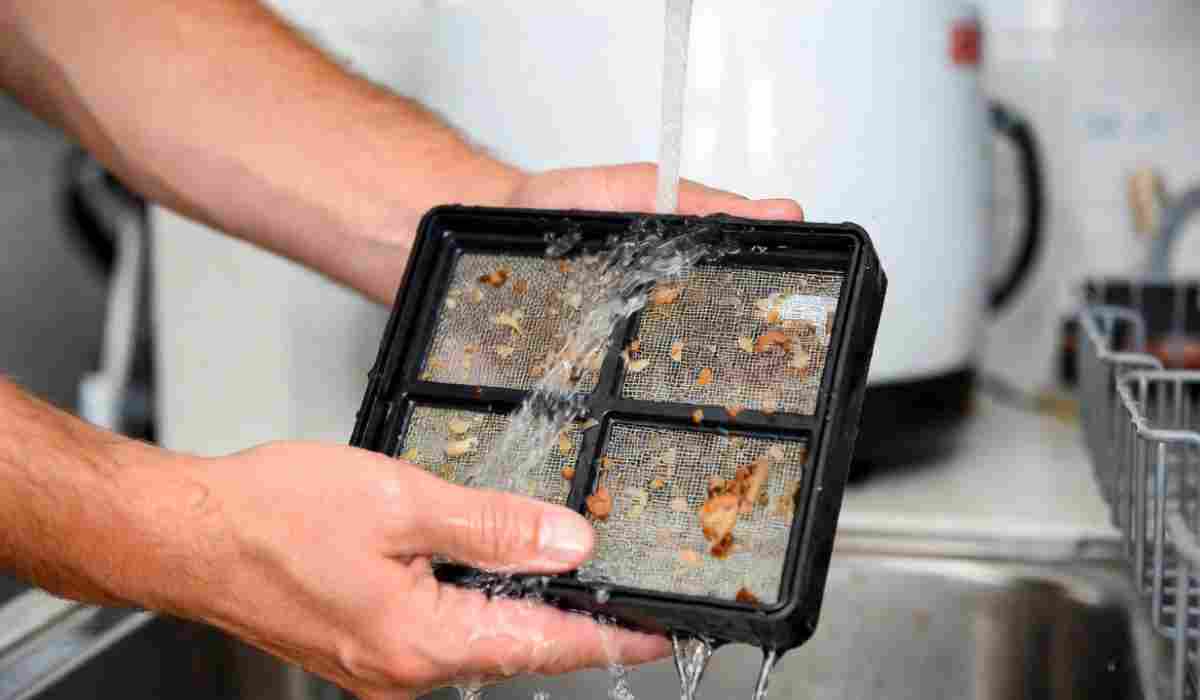
Once removed, you’ll likely see the main filter and possibly a smaller pre-filter. Rinse both parts under warm running water to remove loose food debris. For tougher grime or grease, use a soft brush and a little dish soap to gently scrub the mesh and any crevices.
Be thorough but avoid using harsh chemicals or abrasive scrubbers, as these can damage the filter material.
Step 4 Clean the Filter Housing
While the filter is out, take a moment to clean the area where the filter sits. You might find food particles or grime accumulated here. Use a damp cloth or a paper towel to wipe out the housing.
If there’s any buildup, you can use a soft brush to dislodge it. This ensures that when you replace the filter, it sits in a clean space.
Step 5 Rinse and Dry
After scrubbing, rinse the filter components thoroughly under warm water to ensure all soap residue and debris are gone. Shake off any excess water. You can then use a towel to pat the filter dry or let it air dry for a bit before reinserting it.
Ensure it’s completely dry to prevent any immediate buildup of moisture-related odors.
Step 6 Reinstall the Filter
Putting the filter back is just as important as removing it. Align the filter with its housing and twist it clockwise until it locks securely into place. You should feel or hear a click or a firm fit.
Double-check that it’s seated properly. A loose filter won’t work correctly and could cause problems.
How Often Should You Clean Your Dishwasher Filter
The frequency of cleaning depends on how often you use your dishwasher and the types of food scraps that typically go down it. A good rule of thumb is to check and clean your filter at least once a month. If you notice a decrease in cleaning performance or a bad smell, it’s definitely time to clean it.
For heavy users, cleaning every two weeks might be beneficial. Consistent cleaning prevents larger issues from developing.
Signs Your Dishwasher Filter Needs Cleaning
Several signs can indicate that your dishwasher filter needs attention. If your dishes are coming out with food particles still stuck to them, especially on the bottom, this is a common symptom. A persistent unpleasant odor emanating from the dishwasher, even when it’s empty, often points to a dirty filter.
You might also notice cloudy glassware or a film on your dishes. If your dishwasher isn’t draining properly, a clogged filter could be the culprit.
Benefits of a Clean Dishwasher Filter
Regularly cleaning your dishwasher filter offers several advantages. Firstly, it significantly improves cleaning performance. With a clear filter, water and detergent can circulate freely, reaching all corners of your dishwasher and washing dishes more effectively.
Secondly, it helps prevent odors. Food debris left in a clogged filter can start to decompose, leading to a foul smell. A clean filter keeps your kitchen smelling fresh.
Thirdly, it can extend the lifespan of your dishwasher. A clogged filter can strain the pump and motor, potentially leading to costly repairs. Finally, it saves energy and water.
A well-functioning dishwasher operates more efficiently, using less energy and water to get your dishes clean.
Common Mistakes To Avoid
When learning how to clean dishwasher filter, it’s easy to make small mistakes. One common error is using harsh chemicals or abrasive scrubbers, which can damage the filter material and reduce its effectiveness. Another mistake is not re-seating the filter correctly after cleaning.
A loose filter can allow debris to enter the pump, causing damage. Forgetting to clean the filter housing itself can also be an issue, as leftover debris can quickly re-contaminate the clean filter. Lastly, not cleaning it often enough is a significant oversight that leads to performance problems.
Advanced Tips for Filter Care
For those who want to go the extra mile, consider deep cleaning the filter every few months. This might involve soaking the filter in a vinegar and water solution for an hour to tackle any stubborn grease or mineral buildup. Always ensure the filter is completely dry before reinstallation.
If your dishwasher manual suggests a specific type of cleaner or method, always follow that advice. Proper care ensures your dishwasher runs smoothly for years.
When To Consider Replacing Your Filter
While most dishwasher filters are designed to be cleaned and reused, they do have a lifespan. If you notice that your filter is cracked, warped, or has holes in the mesh, it’s time for a replacement. These types of damage can compromise its ability to filter effectively and could lead to larger issues.
You can usually find replacement filters through your dishwasher’s manufacturer or in appliance parts stores.
Troubleshooting Common Filter Issues
If you clean your filter and still have problems, there might be other issues. If odors persist, try running an empty hot cycle with dishwasher cleaner. If food debris is still present, ensure your spray arms aren’t blocked and that you’re loading the dishwasher correctly.
Sometimes, a persistent clog indicates a deeper problem with the drain hose or pump, which might require professional attention.
Frequently Asked Questions
Question: Can I use a regular sponge to clean the dishwasher filter
Answer: It’s best to use a soft brush, like an old toothbrush, instead of a sponge. Sponges can sometimes push debris deeper into the filter’s mesh rather than removing it, and they might not reach all the small crevices effectively.
Question: My dishwasher filter seems stuck, what should I do
Answer: If your filter is stuck, check your dishwasher’s manual for specific removal instructions. Sometimes, there’s a locking mechanism you might have missed. Avoid forcing it, as you could break the filter or its housing.
Question: Is it okay to run my dishwasher without a filter
Answer: No, it is not okay to run your dishwasher without a filter. The filter is essential for catching food particles. Running the dishwasher without it will allow debris to enter and potentially damage the pump and other internal components.
Question: How do I know if my dishwasher filter is truly clean
Answer: A clean filter should look free of food debris, grease, and grime. When you rinse it, the water should run through it clearly. There should be no lingering smells, and the mesh should be intact without any tears or holes.
Question: Should I use bleach to clean my dishwasher filter
Answer: It is generally not recommended to use bleach to clean your dishwasher filter. Bleach can be harsh and may damage the filter material over time. Warm water and mild dish soap are usually sufficient for cleaning.
Final Thoughts
You’ve learned how to clean dishwasher filter properly. This simple task keeps your appliance running well. A clean filter means cleaner dishes and a fresher kitchen.
Make it a habit to check your filter regularly. Your dishwasher will thank you for it, and so will your clean plates.