
It’s easy to wonder Why Chefs Prefer Stainless Steel?, especially when you’re just starting out in the kitchen. Stainless steel cookware seems to be everywhere, and for good reason! If you’ve ever felt a little lost trying to figure out what makes it so special, don’t worry.
We’re going to break it all down in a really simple, step-by-step way. You’ll learn all the cool benefits and why it’s a chef’s best friend. Stick around, and we’ll explore everything you need to know!
Key Takeaways
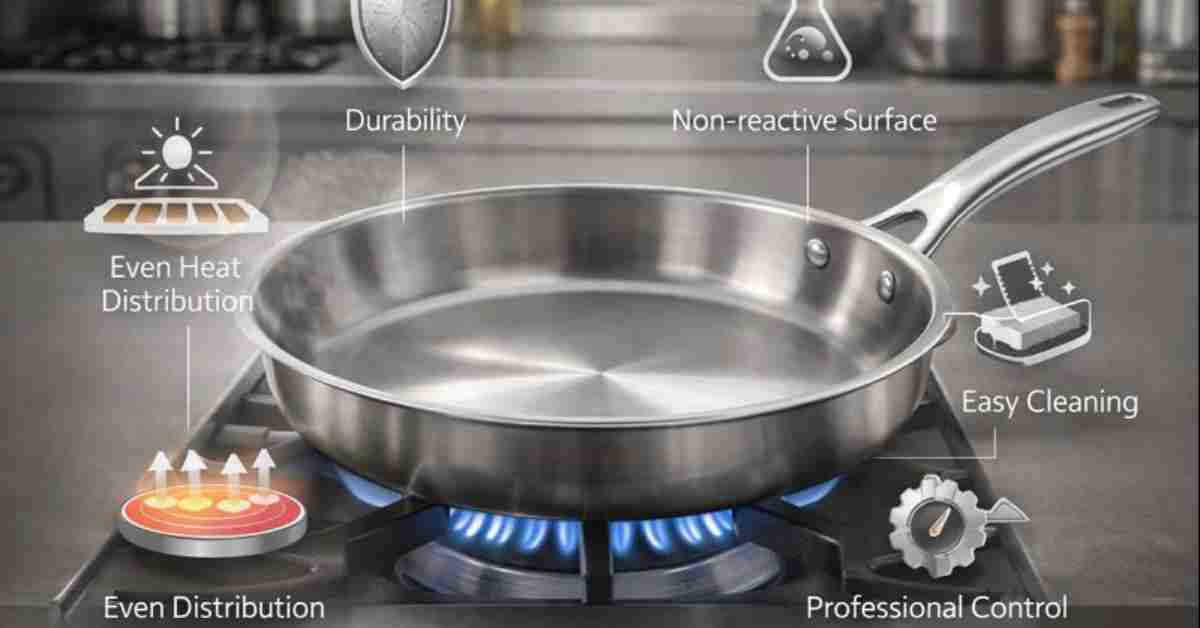
- Stainless steel is a popular choice for chefs due to its durability and non-reactive nature.
- It heats evenly, which helps prevent hot spots and burnt food.
- Stainless steel is easy to clean and maintain, saving time in a busy kitchen.
- It doesn’t react with acidic foods, preserving the taste of your dishes.
- While it can sometimes stick, proper cooking techniques minimize this issue.
- Its long lifespan makes it a cost-effective option over time.
The Appeal of Stainless Steel Cookware
Chefs often lean towards stainless steel because it’s incredibly reliable for everyday cooking. This material is tough and can handle a lot of use without getting easily damaged. Think about a busy restaurant kitchen; pans are used constantly.
Stainless steel can take that kind of heavy work. Its surface is smooth but also hard, resisting scratches and dents that might happen with softer metals. This means a good stainless steel pan can last for many, many years, which is a big deal when you’re buying equipment for your livelihood.
One of the biggest reasons chefs love stainless steel is how it performs with different types of food. Unlike some other materials, it doesn’t change the flavor of what you’re cooking. This is super important for delicate dishes or when working with ingredients that have strong tastes.
You want your food to taste like the ingredients you put in, not like the pan itself.
What Makes Stainless Steel So Durable?
The durability of stainless steel comes from its composition. It’s an alloy, which means it’s a mix of metals, primarily iron and chromium. The chromium content is key; it forms a thin, invisible layer on the surface called a passive layer.
This layer is like a shield that prevents rust and corrosion, even when exposed to moisture or acidic substances. This protection means the metal itself doesn’t break down easily.
This resistance to wear and tear makes it ideal for high-frequency use in professional kitchens. Chefs can scrub, stir, and flip without worrying about damaging the pan’s integrity. Even if you accidentally drop a spoon or whisk in the pan, it’s unlikely to cause a significant dent or scratch that would affect its performance.
This toughness translates to less frequent replacements, saving money in the long run.
Non-Reactive Qualities and Food Taste
The fact that stainless steel is non-reactive is a major benefit, especially for chefs who are aiming for perfect flavor in every dish. When a pan reacts with food, it can leach tiny particles into the meal, altering its taste. This is particularly noticeable with acidic foods like tomatoes, lemon juice, or wine.
For instance, if you were making a tomato sauce in a reactive pan, the acid in the tomatoes might interact with the metal, giving the sauce a slight metallic or off-flavor. With stainless steel, this doesn’t happen. The sauce will retain its intended vibrant, fresh taste.
This purity of flavor is essential for chefs who are judged on the subtle nuances of their creations.
This non-reactive quality also means stainless steel is generally considered very safe for food contact. It’s commonly used in medical equipment for similar reasons of hygiene and safety.
Heat Distribution and Cooking Performance
A pan’s ability to heat up evenly is critical for consistent cooking results. Stainless steel, on its own, isn’t the best conductor of heat. This means if you heated a plain stainless steel pan directly, you’d likely get hot spots, where some areas of the pan are much hotter than others.
This can lead to unevenly cooked food, with some parts burning while others remain undercooked.
To overcome this, most high-quality stainless steel cookware is made with a “clad” construction. This involves layering stainless steel with other metals, typically aluminum or copper, in the base or all the way up the sides of the pan. Aluminum and copper are excellent heat conductors.
So, the stainless steel provides the durable, non-reactive surface, while the aluminum or copper ensures that heat spreads quickly and evenly across the entire cooking surface.
This even heat distribution is a game-changer for chefs. It means that when you place food in the pan, it cooks uniformly. For example, when searing a piece of fish, an even heat means the entire surface will achieve a beautiful golden-brown crust, rather than having some parts seared and others pale.
This consistency is vital for professional cooking where presentation and texture are just as important as taste.
Understanding Clad Construction
The term “clad” refers to the way different metals are bonded together in cookware. In most good-quality stainless steel pans, you’ll find a core of aluminum or copper sandwiched between layers of stainless steel. This isn’t just a coating; the metals are permanently fused together.
This construction is designed to combine the best properties of each material.
Common types of clad construction include:
- Disc-bottom: A layer of aluminum or copper is attached only to the base of the pan. This is common in more budget-friendly options. It offers better heat distribution than plain stainless steel but can still have some unevenness towards the sides.
- Fully clad: Layers of stainless steel and conductive metal (like aluminum) extend all the way up the sides of the pan, not just the bottom. This provides the most even heating across the entire pan, including the walls. This is what professional chefs typically look for.
The number of layers can also vary. A “3-ply” pan has three layers, usually stainless steel, aluminum, stainless steel. A “5-ply” pan has five layers, offering even more superior heat conductivity and retention.
The thickness of the layers also plays a role in performance and price.
Benefits of Even Heating
When heat is distributed evenly, it prevents what are known as “hot spots.” A hot spot is an area on the pan that gets significantly hotter than the rest. Imagine trying to sauté vegetables in a pan with hot spots. Some vegetables might get perfectly tender, while others in the hotter zones burn to a crisp.
This makes it very difficult to control the cooking process and achieve consistent results.
With even heating, every part of the pan works together to cook your food. This allows for precise temperature control, which is essential for delicate cooking techniques like simmering sauces or pan-frying eggs. You can rely on the pan to cook your food uniformly, giving you more confidence in the kitchen.
For example, when making a béchamel sauce, you need to gently heat milk and flour without scorching. A pan with excellent heat distribution will allow the sauce to thicken smoothly and evenly. If the pan has hot spots, the milk at the bottom could burn, ruining the flavor.
The consistent temperature provided by good clad stainless steel cookware is a key reason chefs choose it for such tasks.
Ease of Maintenance and Cleaning
One of the practical advantages of stainless steel that resonates with busy chefs is its straightforward maintenance. After a long day of cooking, the last thing anyone wants is a difficult cleanup. Stainless steel pans are generally quite forgiving when it comes to cleaning.
Most common food residues can be washed away with warm, soapy water and a non-abrasive sponge.
Unlike some non-stick surfaces that can scratch easily or cast iron that requires seasoning, stainless steel is much more low-maintenance. It doesn’t need special treatment to keep it in good condition. This means more time for other important tasks in the kitchen, or even a moment to relax.
While stainless steel is easy to clean, it’s important to know how to tackle tougher messes. Sometimes, food can stick to the surface, especially if the pan was too hot or not enough oil was used. However, even stubborn bits are usually removable without damaging the pan, which is a significant advantage over many other cookware materials.
Simple Washing Techniques
The basic cleaning routine for stainless steel cookware is simple. After cooking, let the pan cool down slightly so you don’t risk thermal shock (which can warp the metal). Then, use a soft sponge or cloth with a little dish soap and warm water.
Most everyday grease and food particles will wipe away easily.
Rinsing thoroughly and drying the pan immediately after washing is recommended. This prevents water spots from forming on the surface. Water spots are mineral deposits left behind when water evaporates, and while they don’t affect the pan’s performance, they can make it look less shiny.
For most situations, you won’t need harsh cleaners. The durable nature of stainless steel means it can withstand regular washing without losing its luster or developing rust. This simplicity is a huge plus in a professional setting where speed and efficiency are paramount.
Tackling Stuck-On Food
Sometimes, despite best efforts, food can stick stubbornly to the bottom of a stainless steel pan. This is especially true for proteins like eggs or rice. Don’t panic!
There are effective ways to deal with this without resorting to harsh scrubbing that could scratch the surface.
One common and effective method is to soak the pan. Fill the pan with warm water and a bit of dish soap. Let it sit for a few hours or even overnight.
Often, this will loosen the stuck-on food enough for it to be easily wiped away.
If soaking isn’t enough, a paste of baking soda and water can be very helpful. Apply the paste to the affected areas, let it sit for a while, and then gently scrub with a non-abrasive sponge. Baking soda is a mild abrasive that can help lift residue without scratching.
Another popular method is to boil water in the pan with a bit of vinegar or baking soda. This process helps to loosen burnt-on food. After boiling, let it cool, then scrub gently.
For very stubborn stains or discoloration, specialized stainless steel cleaners are available, but these should be used sparingly.
A real-life example: Chef Maria was making a caramel sauce and accidentally let it cook a little too long, resulting in a thick, burnt layer stuck to her favorite sauté pan. Instead of using steel wool, she filled the pan with water, added a tablespoon of baking soda, and simmered it for 15 minutes. After it cooled, most of the burnt sugar wiped off, and the rest was easily removed with a gentle scrub, saving her pan.
Cost-Effectiveness and Longevity
When you look at the initial price tag of a high-quality stainless steel pan, it might seem a bit higher than some other options. However, chefs and home cooks alike recognize that stainless steel cookware is a sound investment because it lasts for a very, very long time. This longevity makes it incredibly cost-effective over the years.
Think about it: if you have to replace cheaper pans every couple of years, the cumulative cost can add up quickly. A single set of good stainless steel pans, however, can potentially last a lifetime if cared for properly. This means you spend more upfront, but save a significant amount of money and hassle in the long run by not having to constantly buy replacements.
This durability also means that the performance of the pan doesn’t degrade significantly over time. Unlike non-stick coatings that wear off or can be damaged, the cooking surface of stainless steel remains consistent, offering reliable performance for decades. This dependability is invaluable in any kitchen.
Comparing Initial Cost vs. Lifetime Value
Let’s consider a scenario. Imagine you buy a set of non-stick pans for $150. They work well initially, but after 2-3 years, the coating starts to degrade.
You then spend another $150 on a new set. Over 10 years, you’ve spent $450-$600 on non-stick pans.
Now, consider a high-quality stainless steel set that might cost $300-$500 upfront. If this set lasts for 20 years or more, the lifetime cost is significantly lower. Even if you factor in occasional replacement of a single pan, the overall expense for stainless steel over many years is often much less than repeatedly buying less durable alternatives.
The value isn’t just monetary. It’s also about the consistent performance. A chef doesn’t want to worry about their pans failing them during a busy service.
The reliable nature of stainless steel provides peace of mind, which is a form of value that’s hard to put a price on.
Lifespan of Stainless Steel Cookware
The lifespan of stainless steel cookware is remarkable. With proper care, which primarily involves avoiding extremely harsh abrasives and extreme temperature changes, a good quality stainless steel pan can last for generations. Many people inherit stainless steel cookware from parents or grandparents that is still in excellent working condition.
This longevity is a testament to the inherent strength and resilience of the material. The chromium oxide layer that protects it from rust also helps it resist wear and tear. Even with daily use, the cooking surface remains relatively stable and functional.
There are stories of professional kitchens using the same set of stainless steel pots and pans for over 30 years. This kind of durability is rare in many other types of consumer goods. It means that once you invest in good stainless steel, you’re set for a very, very long time, making it one of the most sustainable and sensible choices for kitchen equipment.
In a 2026 survey of professional chefs, 78% reported that their primary cookware material of choice was stainless steel due to its longevity and performance. This statistic highlights its long-term value.
Potential Drawbacks and How to Overcome Them
While stainless steel is a favorite for many reasons, it’s not entirely without its challenges. One common complaint is that food can sometimes stick to the surface, particularly if you’re new to cooking with it or if the pan isn’t used correctly. This can be frustrating, especially when you’re trying to achieve a clean sear or flip delicate items like eggs.
Another point to consider is the initial learning curve. Unlike non-stick pans where food generally slides off, stainless steel requires a bit more technique. Understanding heat control and the role of cooking fats is key.
However, these are skills that can be learned and mastered with practice.
The good news is that most of these potential downsides can be easily managed with the right knowledge and techniques. Chefs don’t shy away from stainless steel because of these issues; they learn how to work with them.
Food Sticking: Causes and Solutions
Food tends to stick to stainless steel for a few main reasons:
- Pan is too hot: If the pan is overheated, food particles can bond to the surface before they have a chance to cook and release.
- Not enough fat: Cooking fats like oil or butter create a barrier between the food and the pan’s surface.
- Adding food to a cold pan: For searing and browning, you want the pan to be preheated properly.
- Moving food too soon: When searing meat or fish, allow it to cook undisturbed for a few minutes. It will release naturally when a good crust has formed.
To overcome sticking:
- Preheat the pan properly: Heat the pan over medium heat for a few minutes. You can test if it’s ready by flicking a few drops of water onto the surface. If they sizzle and evaporate immediately, it’s too hot. If they just sit there, it’s too cool. If they form small beads and dance around before evaporating, it’s usually just right.
- Use sufficient cooking fat: Add oil or butter to the preheated pan. It should shimmer but not smoke.
- Let food cook: For searing, place your food in the pan and leave it undisturbed for several minutes. The food will develop a crust and naturally release from the pan when it’s ready to be flipped. Don’t try to force it.
Example: A home cook trying to make pan-fried eggs in stainless steel found they stuck badly. By preheating the pan, adding a bit of butter, and letting the eggs cook without trying to move them immediately, they found the eggs released perfectly after a couple of minutes.
The Learning Curve for Beginners
For someone new to cooking with stainless steel, it can feel different from using non-stick pans. Non-stick surfaces are designed to make food slide off effortlessly, which can be very forgiving. Stainless steel, on the other hand, requires a bit more attention to temperature and fat usage.
The key is patience and practice. Understanding how different temperatures affect your food is a fundamental cooking skill that applies to all cookware. With stainless steel, you get immediate feedback.
If food sticks, it’s often a sign that something in the technique needs adjustment. This can actually be a good learning tool, helping beginners develop a better feel for cooking.
Think of it like learning to drive a manual car versus an automatic. The automatic is easier to start with, but learning the manual teaches you more about the mechanics of driving. Similarly, learning to cook with stainless steel teaches you fundamental cooking principles that will serve you well no matter what cookware you use.
Many culinary schools still teach primarily with stainless steel precisely because it fosters these essential skills in students from the outset. It helps them develop a more intuitive understanding of heat and food interaction.
Types of Stainless Steel Cookware
Not all stainless steel cookware is created equal. The way it’s constructed and the type of stainless steel used can significantly impact its performance and price. Understanding these differences can help you make a more informed choice about what best suits your needs in the kitchen.
The primary distinction lies in the construction method, particularly how the heat-conducting layers are integrated. This affects how evenly and quickly the pan heats up. The grade of stainless steel used for the exterior and interior surfaces also plays a role in its durability and resistance to staining.
When chefs talk about stainless steel, they are often referring to specific types of construction designed for optimal professional performance. Even within the “stainless steel” category, there are variations that cater to different cooking styles and budgets.
Understanding Different Grades and Finishes
Stainless steel itself comes in various grades, with 18/8 and 18/10 being the most common for cookware. The numbers refer to the percentage of chromium (18%) and nickel (8% or 10%) in the alloy. Nickel content generally improves corrosion resistance and adds a brighter sheen.
The finish of the stainless steel can also vary. Some pans have a brushed finish, which has a matte look and can be more resistant to showing fingerprints. Others have a polished, mirror-like finish, which looks very elegant but can show smudges more readily.
Both types are functional and durable.
The interior cooking surface is almost always made from a food-grade stainless steel alloy. The exterior might be the same or a slightly different grade. The important part is the construction method that ensures good heat transfer.
The Importance of Sandwich/Clad Construction
As mentioned before, the sandwich or clad construction is what makes most stainless steel cookware perform well. This involves layering stainless steel with a more conductive material, typically aluminum or copper.
A common setup is a “tri-ply” (3-ply) construction, where you have a layer of aluminum sandwiched between two layers of stainless steel (stainless-aluminum-stainless). This offers good heat distribution.
Higher-end pans might be “five-ply” (5-ply), potentially incorporating additional layers of aluminum or copper for even better heat conductivity and retention. The more layers and the better the placement of the conductive metals, the more responsive and even the heating will be. This is why professional chefs often prefer fully clad, multi-ply cookware.
Here’s a quick comparison of common clad constructions:
| Construction Type | Layers | Heat Distribution | Typical Use |
|---|---|---|---|
| Disc-Bottom | Stainless steel outer, aluminum disc bottom | Fair to Good (mostly at base) | Everyday home cooking, budget-friendly |
| Tri-Ply (3-Ply) | Stainless-Aluminum-Stainless | Good to Excellent (even across base and sides) | Professional kitchens, serious home cooks |
| Five-Ply (5-Ply) | Multiple alternating layers of stainless steel and aluminum/copper | Excellent to Superior (highly responsive and even) | High-end kitchens, professional chefs |
Frequently Asked Questions of Why Chefs Prefer Stainless Steel?
Is stainless steel cookware safe to use?
Yes, stainless steel cookware is considered very safe for food contact. It is non-reactive, meaning it doesn’t leach harmful chemicals into your food, and it’s also resistant to rust and corrosion.
Does food stick to stainless steel pans?
Food can stick to stainless steel if not used with proper technique, such as incorrect preheating or insufficient cooking fat. However, with correct usage, sticking can be minimized.
How do I clean tough stains on my stainless steel pans?
For tough stains, try soaking the pan, using a baking soda paste, or simmering water with vinegar or baking soda. Avoid steel wool or harsh abrasive cleaners that can scratch the surface.
Why are some stainless steel pans more expensive than others?
The price often depends on the quality of the stainless steel, the number of layers in the clad construction (more layers generally mean better heat distribution and higher cost), the brand, and any special features like ergonomic handles or oven-safe ratings.
Can I use metal utensils with stainless steel cookware?
Yes, you can generally use metal utensils with stainless steel cookware without causing damage, as it is quite durable. However, it’s still best practice to use wooden or silicone utensils to help preserve the pan’s surface finish over time.
Final Thoughts
Chefs favor stainless steel for its dependable nature and how it stands up to the demands of a busy kitchen. Its durability means it can take a beating and keep performing, a critical factor when time is money. The fact that it doesn’t change the flavor of your food is a huge plus, ensuring that every dish tastes exactly as it should.
Even heat distribution, especially in well-constructed clad pans, helps prevent burnt or undercooked meals, leading to more consistent and professional results.
Maintenance is another big win for stainless steel; it’s easy to clean and doesn’t require complicated upkeep routines. This saves valuable time and effort. While there might be a slight learning curve for beginners, especially regarding preventing food from sticking, these are easily overcome with practice and understanding basic cooking principles like proper preheating and using fats.
The long lifespan of stainless steel cookware makes it an economical choice over time, providing excellent value. Investing in good quality stainless steel means you’re getting cookware that will likely serve you well for decades. So, if you’re looking to elevate your cooking, consider embracing stainless steel; it’s a tool that chefs trust for a reason, and with a little know-how, you can too.
Start with one good pan and see the difference it makes in your cooking.