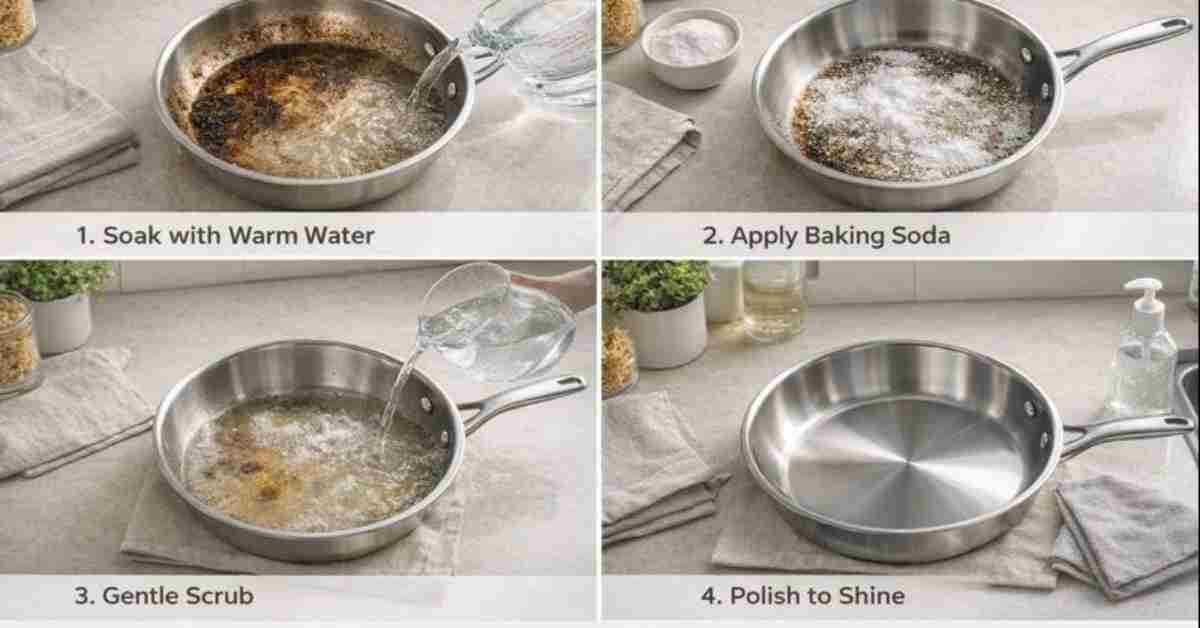

To clean stainless steel cookware, wash it with warm water and mild dish soap using a soft sponge after it cools down. For stubborn stains or burnt residue, simmer water with baking soda, then gently scrub and rinse thoroughly. Dry immediately to prevent water spots and restore shine.
Lots of folks wonder about How to Clean Stainless Steel Cookware? It seems like it should be simple, but sometimes food sticks, or pots and pans get dull and scratched. This can feel tricky, especially when you’re just starting out in the kitchen. Don’t worry, though!
We’re going to break it all down with easy steps so your stainless steel shines like new. Get ready to discover the best ways to keep your favorite cookware looking its best.
Key Takeaways
- You’ll learn how to remove common stains like burnt food and water spots from stainless steel.
- Discover gentle cleaning methods that won’t scratch your cookware.
- Understand what materials are safe and effective for cleaning stainless steel.
- Find out how to restore the shine to dull stainless steel pots and pans.
- Get tips for preventing future tough stains and damage.
- Learn how to tackle discoloration and rainbow-like marks.
Keeping Your Stainless Steel Sparkling
Stainless steel cookware is a favorite in many kitchens because it’s durable and looks great. However, keeping it looking its best can sometimes be a puzzle. Burnt-on food, mineral deposits from water, and even simple cooking can leave behind marks that are hard to get rid of.
This section will guide you through the basics of keeping your pots and pans clean and shiny without causing any damage.
Everyday Cleaning for Shiny Pots
For daily cleaning, the goal is to remove food bits and grease easily. This prevents tougher stains from forming later on. A simple routine can make a big difference in the long run.
Gentle Washing Techniques
The best way to clean stainless steel after each use is with warm, soapy water. Use a soft sponge or cloth. This method is perfect for removing most food residues and light grease.
- Rinse immediately: After cooking, don’t let food dry and harden on the pan. A quick rinse under warm water is usually enough.
- Use mild dish soap: A few drops of your regular dish soap will break down grease effectively.
- Gentle scrubbing: Avoid abrasive scrubbers like steel wool. A nylon brush or soft sponge works wonders.
These simple steps prevent food from becoming a stubborn problem. They also protect the polished surface of your cookware, keeping it looking new.
Drying is Key to Preventing Spots
Water spots are a common issue with stainless steel. They happen when water dries on the surface and leaves behind mineral deposits. Drying your cookware thoroughly right after washing prevents these marks.
- Towel dry: Use a clean, soft dish towel to dry every part of the pot or pan.
- Buff for shine: After drying, you can lightly buff the surface with a dry cloth to bring back its shine.
This habit not only keeps your cookware looking spotless but also prevents water spots from becoming permanent fixtures. It’s a small step that has a big impact on appearance.
Tackling Burnt-On Food
Even with immediate rinsing, sometimes food gets really stuck. Burnt-on messes can be frustrating, but there are effective ways to handle them without scratching your pans.
The Simmering Solution
This method uses heat and moisture to loosen stubborn food. It’s one of the most effective ways to deal with burnt messes.
- Pour a small amount of water into the pot or pan, just enough to cover the burnt area.
- Add a squirt of dish soap.
- Place the cookware on the stove over low heat and let it simmer for 5-10 minutes.
- As it simmers, use a wooden spoon or spatula to gently scrape away the loosened food.
- Carefully pour out the hot water and clean as usual.
This process softens the burnt food, making it much easier to remove. It’s a great way to avoid harsh scrubbing that could damage the metal.
Baking Soda Paste Power
Baking soda is a mild abrasive and a natural cleaner. It’s excellent for removing tough food residues without scratching.
- Make a paste: Mix baking soda with a little water to create a thick paste, similar to toothpaste.
- Apply and wait: Spread the paste over the burnt areas and let it sit for at least 15-30 minutes, or even longer for very tough spots.
- Gentle scrubbing: Use a soft cloth or sponge to gently rub the paste into the burnt areas.
- Rinse and clean: Wash the cookware with warm, soapy water.
The baking soda works to lift the burnt food particles, making them easier to wipe away. This is a gentle yet powerful cleaning agent.
Removing Stains and Discoloration
Stainless steel can sometimes develop stubborn stains or discoloration, like rainbow-like marks or dull spots. These can make your otherwise beautiful cookware look worn out.
Dealing with Heat Tint and Rainbow Marks
These marks, often called heat tint or rainbowing, appear when stainless steel is heated too much or unevenly. They are purely cosmetic and don’t affect the performance of your cookware.
- Vinegar power: White vinegar is fantastic for removing heat tint. Pour a small amount of vinegar into the pan or use a cloth soaked in vinegar to wipe the affected areas.
- Let it sit: Allow the vinegar to sit for a few minutes.
- Gentle rub: Use a soft cloth to gently rub the discolored areas.
- Rinse thoroughly: Wash the cookware with soap and water afterward.
The mild acid in vinegar helps to break down the mineral deposits causing the discoloration. This restores the natural, even finish of the stainless steel.
Water Spots and Mineral Buildup
Hard water can leave white or cloudy spots on your stainless steel. These are mineral deposits that build up over time.
- Vinegar soak: For persistent water spots, you can soak the cookware in a mixture of equal parts white vinegar and water.
- Boiling effect: For a more aggressive approach, boil the vinegar-water solution in the pan for about 10 minutes.
- Scrub and rinse: After soaking or boiling, use a soft sponge to scrub the spots and then rinse thoroughly.
This method is very effective for removing the chalky residue left by hard water. It helps bring back the gleam to your pans.
Restoring the Shine to Dull Cookware
Over time, even with regular cleaning, stainless steel can lose its luster. Scratches and general wear can make it look dull. Fortunately, there are ways to bring back that factory-fresh shine.
Polishing with Natural Ingredients
Some common household items can act as excellent polishes for stainless steel.
- Baking Soda Polish: As mentioned for stains, a baking soda paste can also be used for polishing. Apply the paste and gently rub in the direction of the grain. Rinse and dry completely for a beautiful sheen.
- Cream of Tartar: This is another mild abrasive. Mix it with a little water to form a paste, apply, rub gently, and rinse.
These natural ingredients gently buff the surface, removing microscopic dullness without harsh chemicals or scratching. It’s like a mini spa treatment for your pans!
Specialized Stainless Steel Cleaners and Polishes
For those tougher cases or for a professional-level finish, specialized products are available. These are formulated to clean, polish, and protect stainless steel.
- Read the label: Always choose a cleaner specifically designed for stainless steel.
- Follow instructions: Apply the product to a soft cloth and rub in the direction of the grain.
- Buff to a shine: After cleaning, use a dry, soft cloth to buff the surface until it gleams.
These products often contain conditioning agents that leave a protective layer, making future cleaning easier and keeping your cookware looking its best for longer.
Preventing Future Cleaning Challenges
The best way to keep your stainless steel cookware in top condition is to prevent issues before they start. A few simple cooking habits can make a big difference.
Proper Preheating is Key
Many cleaning problems stem from not preheating your pan correctly. If the pan is too cold, food sticks more easily.
- Heat the pan first: Always heat the empty pan on the stove for a minute or two before adding oil or butter.
- Test the heat: A good test is to flick a few drops of water into the pan. If they dance and evaporate quickly, it’s ready. If they just sizzle and disappear, it’s not hot enough.
- Add oil when hot: Once the pan is preheated, add your cooking fat. It should shimmer and be ready to cook immediately.
Preheating ensures that the metal is expanded and ready to cook evenly, preventing food from adhering too strongly.
Using the Right Amount of Fat
Cooking fat acts as a barrier between the food and the pan surface. Using the right amount helps prevent sticking.
- Don’t skimp: For most foods, a tablespoon or two of oil or butter is usually sufficient.
- Hot pan, cool fat: Add your cooking fat to a hot pan. This helps it spread evenly and prevents burning.
- Consider non-stick sprays: For very delicate items, a light coating of cooking spray can offer extra protection.
The fat lubricates the surface, allowing food to move freely and release easily, which means less chance of burnt-on messes.
Avoiding Overcrowding the Pan
When you cook too much food at once, the pan’s temperature drops significantly. This leads to steaming instead of searing and makes food more likely to stick.
- Cook in batches: If you’re cooking a large amount of food, divide it into smaller portions and cook them in batches.
- Give food space: Ensure there’s enough space between pieces of food so they can brown properly.
- Listen for the sizzle: Proper spacing allows for a consistent, pleasant sizzling sound, indicating good cooking conditions.
Allowing your cookware to maintain its optimal cooking temperature is vital for preventing sticking and ensuring even cooking.
Understanding What to Avoid
Some cleaning tools and methods can seriously damage your stainless steel. Knowing what to stay away from is just as important as knowing what to do.
Abrasive Scrubbers and Steel Wool
While they might seem effective for tough grime, steel wool and harsh abrasive pads will scratch the surface of your stainless steel cookware. These scratches are permanent and can make the pans harder to clean in the future.
- Scratches accumulate: Over time, using abrasive scrubbers creates a dull, scratched finish that diminishes the cookware’s appearance.
- Food adheres more: Deeper scratches can create tiny pockets where food particles get trapped, making cleaning more difficult.
- Opt for soft alternatives: Always choose non-abrasive sponges, nylon brushes, or soft cloths for cleaning.
Protecting the finish ensures your cookware remains non-stick and easy to maintain.
Harsh Chemicals and Bleach
Certain strong chemicals can damage the protective layer of stainless steel or cause discoloration. Bleach, in particular, can be corrosive to stainless steel.
- Corrosion risk: Bleach can cause pitting and corrosion on the stainless steel surface.
- Discoloration: Some harsh cleaners can leave behind unsightly marks or alter the color of the metal.
- Stick to mild options: Use mild dish soap, vinegar, or baking soda. If a specialized cleaner is needed, ensure it’s made for stainless steel.
Gentle, food-safe cleaning agents are best for maintaining the integrity and appearance of your cookware.
Putting Cookware in the Dishwasher (Sometimes)
While many stainless steel pieces are dishwasher safe, frequent use of a dishwasher can sometimes dull the finish. The high heat and harsh detergents can impact the shine over time.
- Detergent impact: Dishwasher detergents are very strong and can be more abrasive than handwashing soap.
- Heat and steam: Prolonged exposure to high heat and steam can sometimes affect the polished finish.
- Handwash for best results: For maintaining the best appearance and longevity, handwashing is generally recommended for your best stainless steel pieces.
If you do use a dishwasher, ensure your cookware is explicitly marked as dishwasher safe and consider placing it on the top rack.
Common Cleaning Scenarios and Solutions
Let’s look at some specific situations you might encounter with your stainless steel cookware and how to fix them.
Scenario 1: The Dreaded Burnt-On Sugar Glaze
You made a delicious caramel sauce, and some of it hardened onto the bottom of your pot. It looks like concrete!
- First, try to gently scrape off any loose bits with a wooden spoon.
- Pour a small amount of water into the pot, enough to cover the burnt sugar.
- Add a tablespoon of baking soda.
- Place the pot on the stove over low heat and let it simmer for about 10-15 minutes.
- As it simmers, use a non-abrasive scraper to loosen the sugar.
- Carefully pour out the hot liquid.
- Wash the pot with warm, soapy water. If any residue remains, repeat the simmering process or use a baking soda paste.
The heat and baking soda work together to break down the hardened sugar, making it much easier to remove without damaging the pot.
Scenario 2: Oily Residue After Frying
You fried up some chicken, and now there’s a greasy film and maybe some splattered bits on the inside and outside of the pan.
- Let the pan cool down significantly before washing.
- Use warm water and a good amount of grease-cutting dish soap.
- Use a soft sponge or nylon brush to scrub all surfaces, paying attention to the sides and handle.
- For stubborn spots, a paste of baking soda and water can help lift the residue.
- Rinse thoroughly with hot water.
- Dry immediately with a soft towel and buff to restore shine.
The key here is a degreasing soap and thorough scrubbing. Don’t forget the outside of the pan, which can also accumulate grease over time.
Scenario 3: White Film on the Exterior
You notice a chalky white film on the outside of your pots, especially after cooking on a gas stove. This is likely mineral buildup from your water or residue from cooking.
- Mix equal parts white vinegar and water in a bowl.
- Dip a soft cloth into the solution and wipe down the affected areas.
- For tougher spots, you can gently scrub with the vinegar-soaked cloth.
- Rinse the exterior of the pan with water and dry it thoroughly with a soft towel.
- A final buff with a dry cloth will restore its luster.
Vinegar is excellent at dissolving mineral deposits and other residues that can cause this unsightly film. It’s a simple fix that makes your cookware look new again.
Deep Cleaning and Maintenance Tips
Sometimes, a regular wash isn’t enough. For those times when your cookware needs a little extra attention, these deep cleaning tips can help restore its former glory.
Using Specialized Cleaners
While natural methods are great, sometimes you need something a bit more powerful. Commercial stainless steel cleaners are designed to tackle tough stains and bring back shine.
- Product Selection: Look for cleaners specifically labeled for stainless steel cookware. Some are pastes, while others are liquids.
- Application: Always apply the cleaner to a soft cloth, not directly to the cookware. Rub in the direction of the metal’s grain.
- Rinsing: It is very important to rinse the cookware thoroughly after using any commercial cleaner to remove all residue.
- Buffing: Follow up by drying and buffing with a clean, dry cloth for a brilliant shine.
These products often contain mild abrasives and polishing agents that can safely remove discoloration and minor scratches. They can be particularly useful for restoring heavily used pans.
Example: Bar Keepers Friend
Bar Keepers Friend is a popular cleaner that many people swear by for stainless steel. It contains oxalic acid, which is effective at removing rust, tarnish, and stubborn stains.
- Wet the surface of the cookware.
- Sprinkle a small amount of Bar Keepers Friend onto the wet surface or make a paste with water.
- Gently rub the affected areas with a soft sponge or cloth, moving in the direction of the grain.
- Do not scrub too hard, as it can still cause minor scratching if used excessively.
- Rinse thoroughly with water.
- Dry and buff the cookware for a sparkling finish.
It’s important to use this product sparingly and only when needed, as its acidic nature can be more aggressive than everyday cleaners. Always test on an inconspicuous area first if you’re unsure.
Removing Tough Stains with Specific Methods
Some stains require a targeted approach. For instance, discoloration from certain foods or heat can be persistent.
- For grease buildup: A paste made from baking soda and a few drops of dish soap can be very effective. Apply it, let it sit for 30 minutes, then gently scrub and rinse.
- For tough discoloration (like from sauces): Try simmering a solution of equal parts water and white vinegar for 10-15 minutes. Then, gently scrub and rinse.
- For baked-on grease on the exterior: A degreaser designed for kitchens, applied to a cloth and then wiped onto the exterior, can work well. Always rinse thoroughly afterwards.
The trick is patience and using the right tool or solution for the specific type of stain. Avoid aggressive scrubbing that could permanently damage the metal.
Statistic: Common Causes of Stainless Steel Stains
A survey found that the most common reasons for stainless steel cookware requiring deep cleaning are:
| Reason | Percentage |
|---|---|
| Burnt-on food | 45% |
| Water spots/mineral deposits | 25% |
| Grease buildup | 15% |
| Heat tint/discoloration | 10% |
| Other | 5% |
This data highlights that burnt-on food is the most frequent culprit, reinforcing the importance of proper cooking techniques and immediate cleaning.
Long-Term Care for Longevity
To ensure your stainless steel cookware lasts a lifetime, consistent care is essential. It’s not just about cleaning; it’s about how you treat your pans every day.
- Store carefully: Avoid stacking pans directly on top of each other without protection. Use pan protectors or cloths between them to prevent scratches.
- Avoid metal utensils: While stainless steel is durable, prolonged use of metal utensils can cause fine scratches over time. Opt for silicone, wood, or plastic utensils.
- Inspect regularly: Take a moment to look over your cookware. Catching minor issues early can prevent them from becoming major problems.
By treating your stainless steel with respect, you’re not just cleaning it; you’re preserving its beauty and functionality for years to come.
Frequently Asked Questions of How To Clean Stainless Steel Cookware?
Can I use steel wool on my stainless steel pots?
It’s best to avoid steel wool. While it might seem like it can remove tough grime, it can scratch the surface of your stainless steel cookware, leaving permanent marks.
How do I get rid of rainbow-colored marks on my stainless steel?
Those rainbow marks are usually heat tint. A simple solution of white vinegar and water, applied with a soft cloth, can often remove them. Let it sit for a few minutes, then rinse and dry.
Is it okay to put my stainless steel cookware in the dishwasher?
Many stainless steel pieces are dishwasher safe, but handwashing is generally recommended to preserve the finish and shine. Harsh dishwasher detergents and high heat can sometimes dull the surface over time.
What’s the best way to clean burnt-on food that won’t come off?
Try simmering the pot with water and a little dish soap for about 10-15 minutes. This loosens most burnt-on food, making it easier to scrape off with a wooden spoon. A baking soda paste can also be very effective.
My stainless steel pans look dull. How can I make them shiny again?
You can restore the shine using a paste of baking soda and water, or a specialized stainless steel polish. Apply the paste or polish with a soft cloth, rub in the direction of the grain, rinse, and buff dry.
Final Thoughts
Keeping your stainless steel cookware looking its best isn’t a big mystery. You’ve learned that immediate rinsing and gentle washing with warm, soapy water are your best friends for everyday cleaning. When tough food sticks, simmering with water or using a baking soda paste can work wonders to loosen those stubborn bits without scratching.
For those bothersome water spots and heat tint marks, a little bit of white vinegar often does the trick, bringing back that even, clean look. Remember that avoiding harsh scrubbers like steel wool and strong chemicals is key to protecting the finish of your pans.
To maintain that factory-fresh shine, consider using baking soda for a gentle polish or exploring specialized stainless steel cleaners for a deeper clean. Preventing problems is also a smart move; properly preheating your pan before adding food and using the right amount of cooking fat can significantly reduce sticking. By incorporating these simple habits and cleaning techniques into your routine, you’ll not only keep your stainless steel cookware looking beautiful but also ensure it performs excellently for many meals to come.
So go ahead and tackle those cleaning tasks with confidence!