
So, you’re wondering about How Long Do Cookware Sets Last? It’s a super common question, especially when you’re just starting out in the kitchen. Buying cookware can feel like a big deal, and you want to make sure your investment sticks around for a while. Don’t worry, it’s not as complicated as it sounds!
We’ll break it down easily, step-by-step, so you know exactly what to expect. First, let’s look at the main things that affect how long your pots and pans will serve you well.
Key Takeaways
- Different cookware materials have varying lifespans.
- Proper care and maintenance significantly extend cookware life.
- Usage habits play a big role in how long cookware lasts.
- Higher quality cookware generally lasts longer than cheaper alternatives.
- Recognizing signs of wear helps you know when to replace pieces.
Understanding Cookware Lifespans by Material
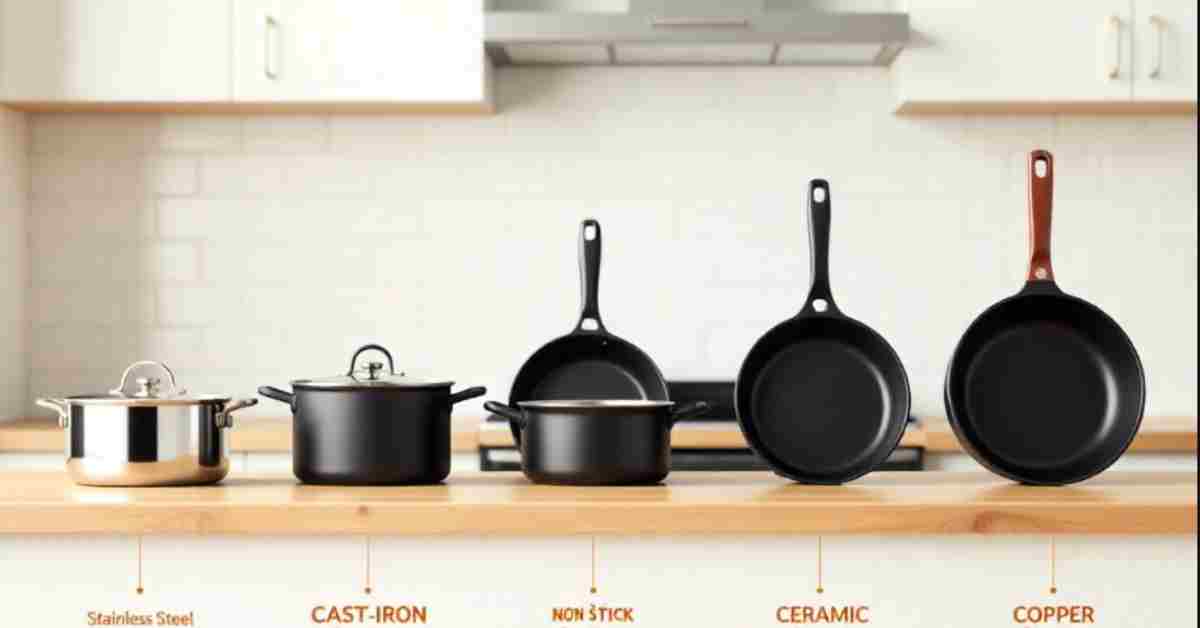
The material your cookware is made from is one of the biggest factors determining its lifespan. Think of it like choosing a material for a car or a phone; some are built to last longer and handle more wear and tear than others. Each material has its own strengths and weaknesses that affect durability.
Knowing these differences helps you pick the right pots and pans for your cooking style and budget, and it also gives you clues about how long they’re likely to stay in good shape.
Stainless Steel Cookware
Stainless steel is a popular choice for many kitchens, and for good reason. It’s known for being tough, non-reactive, and generally quite durable. When people ask How Long Do Cookware Sets Last?, stainless steel often comes up as a material with a good track record.
High-quality stainless steel cookware can last for many, many years, often decades, with proper care. It resists rust, staining, and scratching relatively well compared to other materials. However, the quality of the stainless steel itself can vary greatly, which impacts its longevity.
Lower grades of stainless steel might be thinner and more prone to warping or developing hot spots over time. The way the different layers are constructed, especially in clad cookware (where layers of aluminum or copper are sandwiched between stainless steel), also affects how well it holds up to heat and use. A well-made, thick-gauge stainless steel pot or pan is a kitchen workhorse that can truly stand the test of time.
To get the most out of your stainless steel cookware, avoid using abrasive scrubbers that can scratch the surface. While it’s generally non-stick, sometimes food can get stuck, and that’s when people are tempted to use harsh tools. Gentle cleaning with a good degreaser and a soft sponge is usually enough.
Also, preheating your pans properly before adding oil and food can prevent sticking and reduce the risk of damaging the surface.
Example: Sarah inherited a set of stainless steel pots and pans from her grandmother. The set was over 40 years old but still in excellent condition because her grandmother had always hand-washed them and never used metal utensils. Sarah continues this practice, and her cookware looks and functions almost as new.
Cast Iron Cookware
Cast iron is legendary for its durability. If you take care of a cast iron skillet or pot, it can practically last forever. Seriously, people pass down cast iron cookware through generations.
Its lifespan isn’t measured in years, but in decades, and often even centuries. The secret to its longevity lies in its seasoning – a layer of polymerized oil that protects the metal and creates a natural non-stick surface.
Seasoning needs to be maintained. This involves oiling the pan after cleaning and heating it gently to bond the oil to the metal. While cast iron is incredibly tough, it’s also prone to rust if left wet or not seasoned properly.
It can also crack if dropped or subjected to extreme temperature changes (like putting a hot pan in cold water). However, minor rust spots can usually be scrubbed off and the pan re-seasoned. This resilience is why cast iron is often a top answer to How Long Do Cookware Sets Last? – the answer is often ‘a very, very long time’.
There are two main types: seasoned cast iron (which comes pre-seasoned or you season it yourself) and enameled cast iron. Enameled cast iron is coated with a porcelain enamel, which makes it easier to clean and non-reactive. While the enamel coating itself is quite durable, it can chip or crack if the cookware is dropped or subjected to sudden temperature shocks, which can reduce its overall lifespan compared to unseasoned cast iron.
Statistic: Studies on the durability of kitchenware suggest that well-maintained cast iron cookware can last an average of 50 years or more, with many pieces exceeding 100 years of use.
Non-Stick Cookware
Non-stick cookware, especially that with Teflon or similar coatings, typically has a shorter lifespan than stainless steel or cast iron. The non-stick surface is its main selling point, but it’s also its most vulnerable part. The coating can degrade over time due to heat, abrasion from utensils, and dishwashing.
Most manufacturers suggest that the non-stick quality starts to fade after about 1 to 3 years of regular use, though some high-end versions might last a bit longer.
The key to extending the life of non-stick pans is careful handling. Always use non-metal utensils like wood, silicone, or plastic. Avoid high heat, as it can damage the coating and release fumes.
Handwashing is usually recommended, even if the packaging says it’s dishwasher safe. The harsh detergents and high temperatures in dishwashers can break down the non-stick surface much faster.
When you start to notice food sticking even with oil, or if the coating looks scratched or peeling, it’s time to consider replacing the pan. Continuing to use damaged non-stick cookware can also be a health concern, as the degraded coating might release chemicals. While they might not last for decades, their ease of use and cleanup for certain types of cooking make them a valuable addition to many kitchens when used correctly.
Scenario: Imagine you’re making delicate fish or eggs. A non-stick pan makes it easy to flip them without sticking. If you use a metal spatula on a scratched non-stick pan, you’ll likely ruin both the food and the pan’s surface, forcing you to buy a new one sooner.
Copper Cookware
Copper cookware is often seen as a professional choice because of its excellent heat conductivity. It heats up quickly and evenly, allowing for precise temperature control. When properly cared for, copper cookware can last a very long time, potentially for decades.
However, copper itself is a reactive metal, meaning it can interact with acidic foods, which can affect the taste of your food and damage the pan’s surface.
Because of this reactivity, most high-quality copper cookware is lined with another metal, usually stainless steel or tin. Stainless steel linings are extremely durable and non-reactive, making the cookware last longer and be easier to care for. Tin linings are more delicate and can wear out over time, requiring re-tinning (replacing the lining), which adds to the maintenance cost and effort but can restore the pan’s usability.
The lifespan of copper cookware is therefore heavily influenced by its lining and how it’s maintained.
External copper surfaces can also be polished to maintain their shine, but this is more for aesthetics than for function. The primary consideration for longevity is the integrity of the interior lining and the overall construction quality. Avoid harsh cleaning agents or abrasive pads on both the copper exterior and the interior lining to prevent damage.
Ceramic Cookware
Ceramic cookware, particularly that with a ceramic non-stick coating, is another option that has gained popularity. Its lifespan can vary widely depending on the quality of the ceramic coating and how it’s treated. Generally, ceramic non-stick coatings are considered less durable than traditional PTFE (Teflon) coatings.
They might start to lose their non-stick properties within 1 to 2 years of moderate use.
Like other non-stick surfaces, ceramic coatings are susceptible to scratching and degradation from high heat and abrasive cleaning. It’s crucial to use low to medium heat and non-metal utensils. Handwashing is strongly recommended.
While ceramic is often marketed as being eco-friendly, its shorter lifespan compared to materials like stainless steel or cast iron means it may need to be replaced more frequently, which has its own environmental considerations.
The effectiveness of the non-stick property is the main indicator of its remaining useful life. Once food starts to stick regularly, or the surface appears scratched or worn, the pan has likely reached the end of its effective life for non-stick cooking. However, the underlying material (often aluminum or stainless steel) may still be in good condition, but the primary benefit of the ceramic coating is gone.
Glass Cookware
Glass cookware, such as Pyrex or Visions cookware, is known for its durability and resistance to staining and odors. When used correctly, glass cookware can last for a very long time, potentially a lifetime. It’s non-reactive, meaning it won’t impart any metallic taste to your food, and it’s easy to see your food cooking through the transparent material.
The main vulnerability of glass cookware is its susceptibility to thermal shock. This means a sudden, extreme change in temperature can cause it to crack or shatter. For example, taking a hot glass pot directly from a high-heat stovetop and placing it on a cold, wet surface, or filling a hot glass dish with cold water, can be risky.
It’s also prone to chipping or breaking if dropped. Therefore, careful handling and understanding its limitations are key to its longevity. Many glass cookware items are also oven-safe, which adds to their versatility.
Factors Affecting Cookware Lifespan
Beyond the material itself, several other factors play a significant role in determining how long your cookware set will last. These are the everyday practices and conditions your pots and pans are exposed to. Thinking about these elements can help you be more mindful in the kitchen and make your cookware last longer, no matter what material it’s made from.
Usage Habits and Frequency
How often you cook and what you cook can greatly influence wear and tear. If you’re a daily cook who makes elaborate meals, your cookware will naturally experience more use and stress than someone who only cooks a few times a week. Heavy-duty cooking, such as searing meats at very high temperatures or making sticky sauces, can put more strain on certain cookware materials, especially non-stick surfaces.
For instance, using metal utensils on any cookware that isn’t cast iron or stainless steel is a sure way to shorten its lifespan by scratching and damaging the cooking surface. Similarly, constantly using very high heat on pans not designed for it can lead to warping or degradation of non-stick coatings. Even the way you stir and move food around in the pan can cause wear over time if done aggressively.
Sample Scenario: A budding chef who practices pan-searing steaks daily on a high heat might wear out a decent non-stick pan in under a year. In contrast, someone who uses the same pan for occasional scrambled eggs at medium heat might keep it performing well for three years or more.
Cleaning and Maintenance Practices
This is perhaps the most critical factor for extending the life of any cookware. Proper cleaning and maintenance can make a huge difference. As mentioned, handwashing is often best for most types of cookware, especially non-stick and ceramic, to protect their delicate surfaces.
Using the right cleaning tools – soft sponges and non-abrasive cleaners – is equally important.
Harsh scrub pads, steel wool, and strong chemical cleaners can strip away protective coatings, cause scratches, and degrade the materials over time. For cast iron, proper drying and re-seasoning are essential to prevent rust. For stainless steel, removing stubborn food residue with a gentle cleaner and a non-abrasive pad, rather than aggressive scrubbing, will preserve its finish.
Letting cookware air dry completely before storing can also prevent moisture-related issues like rust or mildew.
Key Point: Always check the manufacturer’s care instructions. While general advice applies, specific materials or coatings might have unique cleaning requirements that, if followed, can significantly boost durability.
Storage Methods
How you store your cookware can also impact its lifespan. Stacking pots and pans directly on top of each other without protection can lead to scratches and dents, especially for cookware with delicate non-stick or ceramic surfaces. This is where pan protectors, which are soft cloths or silicone discs placed between stacked pans, can be incredibly useful.
Hanging cookware on a pot rack is an excellent way to store it, as it prevents stacking altogether and allows for good airflow, which can help prevent moisture buildup. If stacking is unavoidable, make sure the pans are completely dry and consider using liners. Avoid storing heavy items on top of fragile cookware.
Ensuring that handles are aligned properly can also prevent damage and make them easier to access, reducing the chance of accidental drops.
Statistic: In a survey of home cooks, 45% reported that scratches on their non-stick pans were a primary reason for replacement, often caused by improper stacking or storage.
Cooking Techniques and Heat Management
The temperatures you use and how you apply heat are fundamental to cookware longevity. Most cookware is designed to perform optimally within a certain temperature range. Exceeding these limits can lead to irreversible damage.
For example, non-stick coatings can degrade rapidly at temperatures above 500°F (260°C). Stainless steel can warp if heated too quickly and intensely without any food or oil in it, creating “hot spots.” Cast iron can crack if subjected to extreme thermal shock. Learning to preheat pans correctly – often over medium heat for a few minutes before adding oil – and then adjusting the heat as needed during cooking is a vital skill.
This practice not only protects your cookware but also leads to better cooking results.
Example: A chef making a delicate sauce might use a double boiler setup or a very low simmer on the stovetop to ensure the sauce heats gently. This prevents scorching and maintains the integrity of the cookware, ensuring it lasts longer.
Quality of the Cookware Set
The old adage “you get what you pay for” often rings true with cookware. Higher-quality cookware sets are typically made with better materials, thicker gauges, and more advanced construction techniques. This translates directly into increased durability and longevity.
For instance, a set of cheaper stainless steel pans might have a thin base that warps easily, leading to uneven cooking and eventual failure. A premium set might feature multi-ply construction (e.g., stainless steel with an aluminum or copper core), which distributes heat more evenly and is much more resistant to warping. Similarly, a high-end non-stick pan will likely use a more durable coating applied with better technology, outlasting its budget counterparts.
While a premium set might have a higher upfront cost, its extended lifespan can make it more economical in the long run. It’s about investing in pieces that are built to last and perform consistently for years, rather than needing frequent replacements.
Comparison of Cookware Durability
To give you a clearer picture of how different materials stack up in terms of how long they typically last, consider this comparison. Remember, these are general estimates, and quality within each material can vary widely. A top-tier version of a material might outlast a poorly made version of another.
| Cookware Material | Typical Lifespan | Factors Affecting Longevity | Pros for Durability | Cons for Durability |
|---|---|---|---|---|
| Stainless Steel | 20+ years (High quality: decades) | Gauge, construction (clad), care, utensil use | Resistant to rust, warping, scratching; non-reactive | Can scratch with metal utensils; lower grades can warp |
| Cast Iron (Seasoned) | 50+ years (Often lifetime) | Seasoning maintenance, rust prevention, handling (cracking) | Extremely durable, can be restored; develops patina | Requires diligent seasoning and maintenance; heavy |
| Enameled Cast Iron | 15-30 years | Chipping, cracking from thermal shock, chipping from impact | Non-reactive, easy to clean, retains heat well | Enamel can chip or crack; not as resilient as seasoned cast iron |
| Non-Stick (PTFE/Teflon) | 1-3 years (High quality: 3-5 years) | Heat abuse, abrasive cleaning, utensil use, dishwashing | Easy food release, easy cleanup (initially) | Coating degrades, scratches easily; can release fumes at high heat |
| Ceramic Non-Stick | 1-2 years | Heat abuse, abrasive cleaning, utensil use, dishwashing | Often marketed as PFOA/PTFE-free; decent initial non-stick | Coating can wear out faster than traditional non-stick; can scratch |
| Copper (with Stainless/Tin lining) | 20+ years (Lining dependent) | Lining integrity, care of lining, exterior polishing | Excellent heat control; copper exterior is very durable | Lining (especially tin) can wear out; reactive if unlined |
| Glass | 15+ years | Thermal shock, impact (dropping), extreme temp changes | Non-reactive, stain-resistant, odor-resistant, see-through | Can break from thermal shock or impact; not suitable for all stovetops |
Signs Your Cookware Needs Replacing
Knowing when to let go of a beloved pot or pan is a skill in itself. Cookware doesn’t usually break down overnight; it’s often a gradual process. Recognizing these signs can help you avoid cooking mishaps, ensure better food quality, and sometimes even prevent potential health hazards.
Degraded Non-Stick Surfaces
This is usually the most obvious sign. If your non-stick pan is no longer non-stick, even with a little bit of oil, and food consistently sticks and burns, its primary function is gone. Look for visible scratches, peeling, flaking, or a dull, worn-out appearance on the cooking surface.
The non-stick performance is what you paid for, and once that’s gone, the pan is likely past its prime.
Using metal utensils or abrasive scrubbers can quickly cause this degradation. Even with careful use, the coatings are designed to break down over time. If you’re spending a lot of time scraping burnt food off your pans or constantly adding extra oil to prevent sticking, it’s a clear indicator that the non-stick quality has diminished significantly.
Warping or Uneven Heating
If your pans no longer sit flat on the stovetop and rock back and forth, they have warped. This often happens with cheaper pans exposed to high heat or rapid temperature changes. Warping means the bottom of the pan is no longer making full contact with the heat source, leading to uneven cooking.
You’ll likely experience hot spots where food burns and cooler areas where it doesn’t cook properly.
This issue is common with thinner-gauge stainless steel or aluminum pans. While some minor warping might be tolerable, significant warping makes cooking very difficult and often leads to unevenly cooked food. For pans with thicker bases or clad construction, warping is less common but can still occur with severe abuse.
Rust or Pitting
For materials like cast iron and carbon steel, rust is a sign that the protective seasoning has been compromised or that the pan has been exposed to moisture. While minor rust spots on cast iron can often be sanded down and the pan re-seasoned, extensive rust that has eaten into the metal indicates significant damage and a potential need for replacement. Similarly, pitting, which are small holes or indentations in the metal, can be a sign of advanced corrosion or material breakdown.
For stainless steel, rust is less common unless it’s a very low-grade alloy or has been exposed to corrosive substances for extended periods. If you see rust spots on stainless steel, it’s a sign of damage to the protective chromium layer.
Damaged Handles or Rivets
Handles that become loose, wobbly, or cracked are a safety hazard. If the rivets holding the handles are loose or about to break, it means the structural integrity of the pan is compromised. This can lead to the handle detaching completely, potentially causing spills and burns.
While sometimes handles can be re-secured by a professional, for most home cooks, this is a sign that the cookware has reached its end.
The materials used for handles can also degrade. Plastic handles can melt if exposed to excessive heat or become brittle over time. Wooden handles can crack or rot if not properly cared for.
Always check the connection between the handle and the pan body for any signs of weakness.
Discoloration or Staining That Won’t Come Out
While some discoloration, like the rainbow sheen sometimes seen on stainless steel due to overheating, can be cleaned off, persistent, deep stains or discoloration might indicate permanent damage. For instance, if the metal itself has been burned or altered by extreme heat, it may not be salvageable. For non-stick or ceramic surfaces, excessive staining that compromises appearance and potentially function is a clear sign of wear.
Extending the Life of Your Cookware
So, How Long Do Cookware Sets Last? The answer is often in your hands. By adopting good habits, you can significantly increase the lifespan of your pots and pans, saving you money and reducing waste.
Invest in Quality from the Start
When you’re buying, try to choose pieces made from durable materials like high-grade stainless steel, well-seasoned cast iron, or reputable brands of other materials known for longevity. While it might cost more upfront, a well-made piece will likely outlast several cheaper alternatives. Look for features like heavy gauge metal, even construction, and good-quality handles.
Consider buying individual pieces of cookware that you use most often rather than a large set if your budget is tight. This allows you to invest in the best quality for those essential items. For example, a really good quality skillet and a sturdy saucepan might be more valuable than a large, mediocre set.
Follow Manufacturer’s Care Instructions
Every piece of cookware comes with specific instructions for care and use. These are not just suggestions; they are guides to help you get the most out of your purchase and ensure it lasts. Pay attention to recommended temperatures, utensil types, and cleaning methods.
Some manufacturers even offer tips for reviving worn surfaces.
For example, some stainless steel polishes can help restore shine and protect the surface. For cast iron, knowing how to properly season and maintain it is key. For non-stick, always defer to the brand’s advice on heat limits and cleaning to protect the coating.
Use the Right Tools and Techniques
This means using wooden, silicone, or nylon utensils on non-stick and ceramic surfaces to avoid scratches. For stainless steel and cast iron, you can often get away with metal utensils, but even then, avoid aggressively scraping. Using the correct burner size for your pan is also important; a flame that extends up the sides of the pan can damage handles and the pan itself.
Preheating pans properly is another crucial technique. This helps food release more easily and prevents sticking, reducing the need for harsh scrubbing later. It also helps distribute heat evenly across the cooking surface, preventing hot spots and potential warping.
Learning these techniques takes practice but is fundamental to good cooking and cookware care.
Clean and Dry Properly
Washing your cookware immediately after use, before food residues dry and harden, makes cleaning much easier and gentler. Use soft sponges or cloths and mild dish soap. For tougher jobs, try simmering water in the pan to loosen stuck-on food, or use a specialized cleaner for that material.
Always ensure cookware is completely dry before storing to prevent rust or water spots.
If you have enameled cast iron, avoid prolonged soaking, as it can damage the enamel over time. For stainless steel, a bit of Bar Keepers Friend can work wonders on tough stains or discoloration without being overly abrasive when used correctly.
Frequently Asked Questions of How Long Do Cookware Sets Last?
How often should I replace my non-stick pans?
Most non-stick pans start to lose their effectiveness after 1 to 3 years of regular use. If food starts sticking persistently, or if you see visible scratches or peeling of the coating, it’s usually time to replace them.
Can I put my cast iron skillet in the dishwasher?
No, you should never put seasoned cast iron in the dishwasher. The harsh detergents will strip away the seasoning, leading to rust and damage. Always hand wash and re-season cast iron after cleaning.
How do I remove burnt-on food from stainless steel?
For stubborn burnt-on food, try simmering water in the pan for a few minutes to loosen it. You can also make a paste of baking soda and water, let it sit for a while, then gently scrub. For very tough stains, a non-abrasive cleaner like Bar Keepers Friend can be effective.
My copper cookware is tarnished. How do I clean it?
For the exterior copper, you can use a paste of lemon juice and salt or a commercial copper cleaner to restore its shine. Be careful with the interior lining; follow the manufacturer’s specific cleaning instructions for that material (usually stainless steel or tin).
Can I use metal utensils on my stainless steel cookware?
Generally, yes, you can use metal utensils on most stainless steel cookware. However, aggressive scraping or banging can still cause fine scratches over time, which might affect the appearance but not typically the performance of high-quality stainless steel.
Final Thoughts
It’s clear that the lifespan of your cookware is a mix of what it’s made of and how you treat it. Understanding the strengths and weaknesses of different materials like stainless steel, cast iron, and non-stick coatings gives you a good starting point. Remember that regular use, cleaning practices, and even how you store your pots and pans all play a part.
You’ll know it’s time to consider a replacement when you see significant signs like degraded non-stick surfaces, warping, or structural damage.
The good news is that many of these issues can be prevented. By making informed choices when buying, always following care instructions, and using the right tools and techniques for cooking and cleaning, you can significantly extend the life of your cookware. Think of it as an investment in your kitchen – taking care of your tools means they’ll take care of you for years to come.
So, next time you’re in the kitchen, be mindful of your cookware, and enjoy many happy meals!