
Nonstick cookware works by using a specially coated surface, commonly made with PTFE or ceramic, that creates very low friction so food does not bond to the pan. This smooth barrier prevents sticking, allows cooking with less oil, and makes cleaning easier by stopping food from attaching to the metal beneath.
Ever found yourself staring at a frying pan, wondering why food magically slides off it? That’s the magic of nonstick cookware, and it’s not as complicated as it might seem. For many home cooks, especially those just starting out, the science behind this kitchen marvel can feel a bit mysterious.
But don’t worry! We’re going to break down how nonstick cookware works in a way that’s super easy to grasp. Get ready to learn the simple steps that make cooking and cleaning a breeze.
We’ll soon be exploring the fascinating science behind your favorite pans.
Key Takeaways
- Nonstick cookware uses a special coating to prevent food from sticking.
- This coating creates a smooth surface that food particles can’t easily grab onto.
- Common nonstick coatings are made from materials like PTFE or ceramic.
- Proper care and usage help maintain the nonstick properties for longer.
- Heat and abrasive cleaning can damage the nonstick surface.
- Understanding the science helps you use and care for your pans better.
The Science Behind Slippery Surfaces
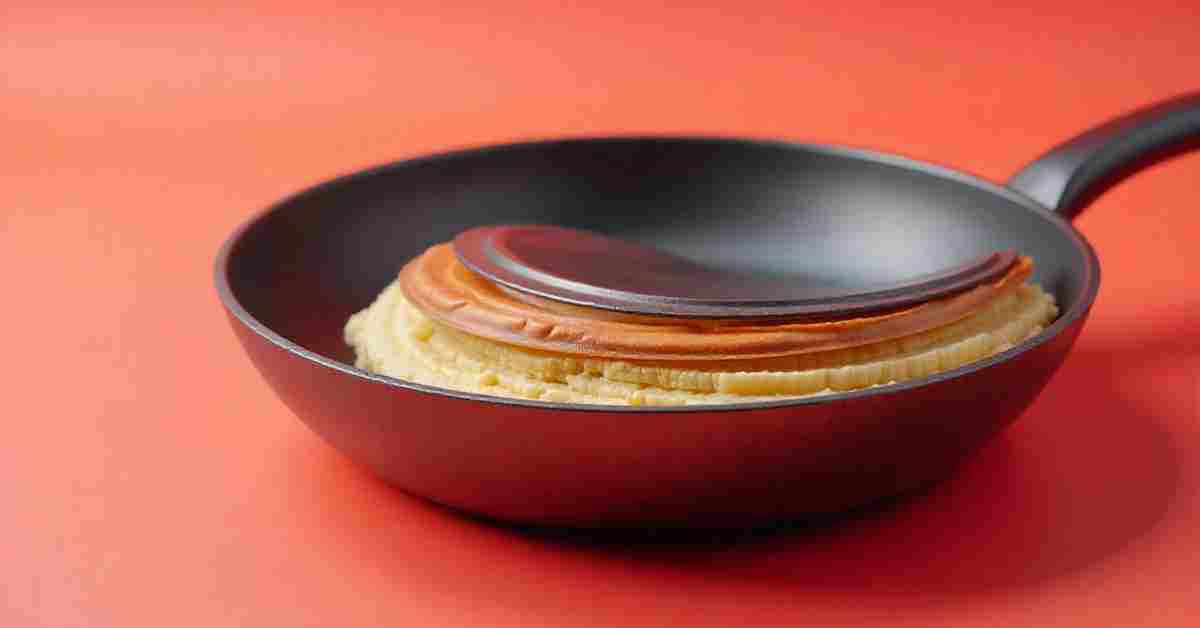
The secret to nonstick cookware lies in its unique surface. Imagine a perfectly smooth, almost slippery layer that covers the metal of your pan. This layer is designed to be less attractive to food particles.
When you cook, food naturally wants to bond with surfaces, especially when heated. But with nonstick cookware, the coating gets in the way of this bonding process. This makes it incredibly easy to cook delicate foods like eggs or fish without them tearing apart or sticking stubbornly to the pan.
This special surface is the main reason why nonstick pans are so popular in kitchens everywhere.
What Is Nonstick Coating Made Of
The most common type of nonstick coating you’ll find is made from a material called Polytetrafluoroethylene, or PTFE. You might have heard of it by brand names like Teflon. PTFE is a synthetic fluoropolymer, which means it’s a long chain of molecules made from fluorine and carbon atoms.
These atoms are bonded together in a way that creates a very stable and non-reactive surface. It’s this unique chemical structure that gives PTFE its incredible slipperiness. The fluorine atoms are arranged in such a way that they don’t like to interact with other substances, including food.
This lack of attraction is what prevents food from sticking.
Another popular type of nonstick coating is ceramic. Ceramic nonstick coatings are often made from natural materials like silicon, which is derived from sand. These coatings work a bit differently.
They create a very hard and smooth surface that food can’t easily adhere to. Some ceramic coatings are infused with minerals or other materials to enhance their durability and nonstick performance. Unlike PTFE coatings, ceramic coatings are generally considered more environmentally friendly in their production process.
They also tend to be more resistant to scratches from metal utensils, though they may not last as long as high-quality PTFE coatings.
PTFE Coatings Explained
PTFE coatings are the veterans of the nonstick world. They are known for their excellent nonstick properties, meaning food slides off with minimal effort. The chemical makeup of PTFE makes it incredibly resistant to heat and chemical reactions, so it’s very stable.
This stability is key to its performance. When food is cooked, molecules in the food might try to form chemical bonds with the pan’s surface. However, the fluorine atoms in PTFE are very electronegative, meaning they hold onto their electrons tightly and don’t readily form bonds with other substances.
This creates a barrier that significantly reduces adhesion.
The manufacturing process for PTFE involves applying multiple layers of the coating to the metal pan and then heating it to a very high temperature. This process, called curing, fuses the coating to the pan, creating a durable, albeit thin, layer. While PTFE is very effective, it’s important to note that it can degrade at very high temperatures, typically above 500 degrees Fahrenheit (260 degrees Celsius).
When overheated, PTFE can release fumes that can be harmful to birds and can cause flu-like symptoms in humans, often called the “polymer fume fever.” Modern PTFE coatings are made with improved safety standards, and using them at recommended cooking temperatures is generally safe for people.
Many people wonder about the safety of PTFE. It’s important to distinguish between the raw material and the finished product. In its finished, bonded state on a cookware surface, PTFE is inert and safe.
The concerns arise when the coating is overheated to the point of degradation, which is rare with proper cooking practices. For example, accidentally leaving an empty nonstick pan on a high burner for an extended period could lead to overheating. However, during normal cooking, where food is present, the temperature of the pan surface is usually kept well below the degradation point of PTFE.
Ceramic Coatings Explained
Ceramic nonstick coatings offer an alternative to PTFE, often marketed as a greener option. These coatings are typically made from a sol-gel process, where materials like silicon, oxygen, and carbon are combined and then heated to form a ceramic layer. This layer is then bonded to the metal pan.
The resulting surface is very hard and smooth, which helps to prevent food from sticking. Think of it like a super-smooth glass surface; food has a hard time getting a grip on something so slick and hard.
One of the perceived benefits of ceramic coatings is their ability to withstand higher cooking temperatures than some PTFE coatings without breaking down. They also don’t release harmful fumes when overheated, which is a point of reassurance for many users. However, ceramic coatings can sometimes be less durable than high-quality PTFE.
They might lose their nonstick properties over time, especially if exposed to abrasive cleaning methods or excessive heat. The initial nonstick performance can be excellent, but long-term durability can vary significantly between brands and types of ceramic coatings.
The manufacturing of ceramic nonstick coatings often uses natural ingredients, which appeals to consumers looking for more sustainable kitchenware. The sol-gel process is known for its lower energy consumption compared to some other manufacturing methods. This approach to creating the nonstick layer is seen as a positive step towards more eco-conscious production in the cookware industry.
While they may not be as universally forgiving as PTFE in terms of rough handling, their ease of use and chemical inertness at typical cooking temperatures make them a strong contender for many home cooks.
How The Surface Prevents Sticking
The magic behind nonstick cookware is all about surface energy and molecular interactions. Food, especially proteins and starches, tends to adhere to surfaces because of Van der Waals forces and chemical bonds. These are like tiny magnetic attractions between the food molecules and the pan molecules.
The nonstick coating acts as a barrier with very low surface energy. This means it has a weak attraction to other substances. Essentially, the coating creates a surface that food molecules simply don’t want to stick to.
Imagine trying to stick a piece of tape to a very clean, smooth, and slightly greasy surface. It wouldn’t stick very well, would it? Nonstick coatings are like that, but on a molecular level.
For PTFE, the fluorine atoms create a shield around the carbon atoms, and these fluorine atoms don’t readily interact with food molecules. This creates a “non-wetting” surface, meaning liquids like oil or melted food don’t spread out and form strong connections. For ceramic coatings, the smoothness and hardness of the material itself prevent food from finding microscopic imperfections to latch onto.
The smoothness of the nonstick layer is also a key factor. Even though metals might feel smooth to the touch, under a microscope, they have tiny peaks and valleys. Food particles can lodge into these small imperfections, making them stick.
Nonstick coatings are applied in such a way that they fill in these microscopic gaps, creating a much more uniform and even surface. This extreme smoothness, combined with the low surface energy, makes it very difficult for food to establish a strong grip. This is why even sticky substances like caramel or melted cheese can often be wiped away with ease.
The Role of Surface Energy
Surface energy is a concept from physics and chemistry that describes the extra energy that exists at the surface of a material compared to its bulk. Think of it as the “unhappiness” of atoms at the surface because they aren’t bonded to as many neighbors as atoms within the material. Materials with high surface energy tend to attract other substances, making them “sticky.” Water, for instance, has a relatively high surface energy, which is why it forms droplets and can stick to surfaces.
Nonstick coatings are engineered to have very low surface energy.
For PTFE, the low surface energy is a direct result of the strong carbon-fluorine bonds. Fluorine is highly electronegative, pulling electrons towards itself. This creates a stable molecule that doesn’t readily release electrons or form intermolecular bonds with other substances.
This makes the surface incredibly repellent. In contrast, many common cooking surfaces, like bare metal or some plastics, have higher surface energies, allowing them to form stronger adhesive forces with food molecules. The goal of a nonstick coating is to dramatically lower this attraction, making the surface “slippery” to food.
The low surface energy of nonstick coatings is what allows them to repel not only food but also oils and greases. This property is extremely beneficial in cooking because it means you often need very little or no added fat to prevent sticking. When cooking with minimal oil, the oil itself doesn’t form a strong bond with the nonstick surface, and neither does the food.
This contributes to healthier cooking and makes the cleanup process much simpler. The science behind low surface energy is quite profound, and its application in cookware has revolutionized how we cook.
Minimizing Food Adhesion
Food adhesion is the process by which food particles stick to a cooking surface. This happens due to a combination of factors, including heat, pressure, and the chemical properties of both the food and the pan. Proteins in food, for example, can denature and unfold when heated, exposing reactive parts that can form bonds with the metal of a pan.
Sugars can caramelize and become very sticky. Nonstick coatings are designed to interrupt this adhesion process at multiple levels. They provide a physical barrier, a chemical barrier, and a surface that minimizes surface area contact.
The physical barrier is the coating itself, a layer of material placed between the food and the pan. The chemical barrier, especially in PTFE, is the inherent inertness of the material. It simply doesn’t want to react or bond.
The surface topography, being extremely smooth, also plays a role. By minimizing microscopic rough spots where food can get trapped, the coating ensures that any contact is as minimal as possible. This multi-pronged approach makes the nonstick surface highly effective at preventing food from becoming a permanent fixture on your cookware.
Consider cooking scrambled eggs. When you cook eggs in a regular pan, the proteins in the eggs can cook and bond with the metal. This makes them stick.
In a nonstick pan, the coating prevents these proteins from forming strong bonds with the pan. The eggs cook and solidify, but they remain a distinct layer that can easily be lifted or slid off the surface. This is the core principle that makes nonstick cookware so convenient for everyday cooking and for preparing delicate ingredients.
Types of Nonstick Coatings
When you’re looking at nonstick pans, you’ll notice there are a few main types of coatings available, each with its own set of pros and cons. The most dominant type, as we’ve discussed, is based on PTFE. However, within the PTFE category, there are variations in quality and composition.
Then, there are the newer ceramic-based nonstick coatings, which have gained popularity for their different properties and perceived environmental benefits. Beyond these two, some manufacturers use proprietary blends or other specialized materials, but PTFE and ceramic cover the vast majority of the market.
The choice between these types often comes down to personal preference, cooking habits, and what features are most important to the user. For instance, someone who frequently cooks at very high temperatures might lean towards a ceramic option, while someone prioritizing ultimate slipperiness and durability might opt for a premium PTFE coating. Understanding the differences helps you make an informed decision when purchasing new cookware, ensuring you get a pan that suits your needs best.
PTFE-Based Coatings
PTFE-based nonstick coatings are the most widely recognized and used type. They are renowned for their exceptional nonstick performance. Food truly does slide off, making cooking and cleanup significantly easier.
These coatings are also quite resilient to scratching when used with proper utensils and can withstand a good range of cooking temperatures. The key to their effectiveness is the strong, stable molecular structure of PTFE, which resists adhesion from food particles.
However, it’s crucial to use PTFE cookware correctly. They should not be preheated empty on high heat, as excessive temperatures (above 500°F or 260°C) can cause the coating to degrade and release fumes. This is a rare occurrence during normal cooking but is an important safety consideration.
Also, while more scratch-resistant than older versions, they are still best paired with silicone, wood, or plastic utensils to prolong their lifespan and maintain their nonstick properties. High-quality PTFE coatings can last for several years with proper care.
A common misunderstanding is that all PTFE is the same. Manufacturers have developed various formulations and application techniques to improve durability and performance. Some coatings are reinforced with ceramic or titanium particles to enhance scratch resistance and heat distribution.
These premium versions often come at a higher price point but offer superior longevity and performance compared to basic PTFE coatings found on budget cookware. The presence of PFOA (perfluorooctanoic acid), a chemical used in the manufacturing process of older PTFE, was a past concern, but modern PTFE cookware is PFOA-free.
Ceramic-Based Coatings
Ceramic nonstick coatings have emerged as a popular alternative, often highlighted for their “green” credentials. These are typically created through a sol-gel process, resulting in a hard, smooth, and non-porous surface. They are generally considered safe at higher temperatures than many PTFE coatings and do not release harmful fumes.
This can offer peace of mind for cooks who frequently use high heat or are concerned about the potential risks associated with PTFE degradation.
The nonstick properties of ceramic coatings are excellent when new, allowing food to release easily. They are also often more resistant to scratching from metal utensils than PTFE, making them a good choice for those who prefer using metal. However, the durability of ceramic nonstick can be a concern.
Over time and with repeated use, the nonstick capabilities can diminish, sometimes more rapidly than with high-quality PTFE. This can be influenced by cooking practices and cleaning methods.
Many ceramic coatings are derived from natural materials, appealing to environmentally conscious consumers. The manufacturing process is often less energy-intensive than that for PTFE. The surface itself is generally very stable and inert, meaning it won’t react with acidic foods or release unwanted chemicals into your meals.
While their initial performance is impressive, understanding their potential limitations in long-term nonstick longevity is key to managing expectations and getting the most out of these pans.
Silicone Coatings
Silicone coatings are less common in traditional stovetop cookware but are frequently used in bakeware. They are made from silicon and oxygen atoms linked together, creating a flexible and heat-resistant material. Silicone offers excellent nonstick properties and is generally considered very safe, as it’s inert and doesn’t react with food.
It can withstand a wide range of temperatures, often from freezing up to high oven heat.
The main difference between silicone and PTFE or ceramic is its texture and flexibility. Silicone is softer and more pliable. While this makes it great for things like muffin liners or baking mats where you need to easily pop items out, it’s not ideal for the rigorous demands of stovetop frying where durability and heat retention are paramount.
Sticking a metal spatula into a silicone-coated pan would likely cause permanent damage. Because of this, silicone is primarily found in baking sheets, molds, and oven mitts rather than frying pans or saucepans.
The advantage of silicone is its remarkable inertness and temperature resistance. It doesn’t leach chemicals and can be used in both the freezer and the oven. Cleaning is usually very simple, as most foods do not adhere to it.
However, its lack of rigidity means it doesn’t offer the same structural integrity or heat distribution as metal-based cookware with nonstick surfaces. For baking, its flexibility can be a real plus, allowing for easy removal of baked goods without breakage.
Maintaining Your Nonstick Cookware
To keep your nonstick pans working like new for as long as possible, a little bit of care goes a long way. It’s not just about cooking; it’s also about how you handle and clean them. Understanding the best practices can prevent damage and ensure that your food continues to slide off effortlessly meal after meal.
This involves being mindful of the heat you use, the utensils you choose, and the methods you employ for washing and storing your cookware. By following a few simple rules, you can significantly extend the life and performance of your nonstick investments.
Think of it like taking care of any other valuable tool in your kitchen. While nonstick cookware is designed for convenience, it’s not indestructible. Being gentle and aware of its limitations will reward you with consistently good cooking results and less frustration.
We’ll explore the do’s and don’ts that will make sure your nonstick surfaces stay slippery and reliable.
Proper Cooking Techniques
When cooking with nonstick pans, it’s important to use them correctly to avoid damaging the coating. One of the most crucial aspects is heat control. While nonstick pans are designed to cook food evenly, they are not meant for extreme, high-heat searing or prolonged preheating without any contents.
Most PTFE-based nonstick coatings can degrade if subjected to temperatures above 500°F (260°C). Overheating can lead to the release of fumes and the breakdown of the nonstick surface, making it less effective and potentially unsafe.
Instead of blasting the heat, try using medium heat for most cooking tasks. This is usually sufficient to cook food thoroughly without risking damage to the coating. For tasks that require higher heat, like searing, it’s often better to use a different type of pan, such as cast iron or stainless steel, which are built to withstand extreme temperatures.
If you do use high heat with nonstick, do so for very short periods and ensure there’s food or liquid in the pan to help regulate the temperature. Preheating should also be done with caution; a minute or two on medium heat is generally adequate.
Another key technique is to use minimal oil or butter. The whole point of nonstick is to reduce or eliminate the need for added fats. Using too much oil can actually create a sticky residue over time, especially if it’s not properly cleaned.
A light spray or a teaspoon of oil is usually enough to enhance flavor and ensure perfect release. Also, avoid using cooking sprays that contain lecithin, as these can build up and create a sticky film on the nonstick surface that is difficult to remove.
Using the Right Utensils
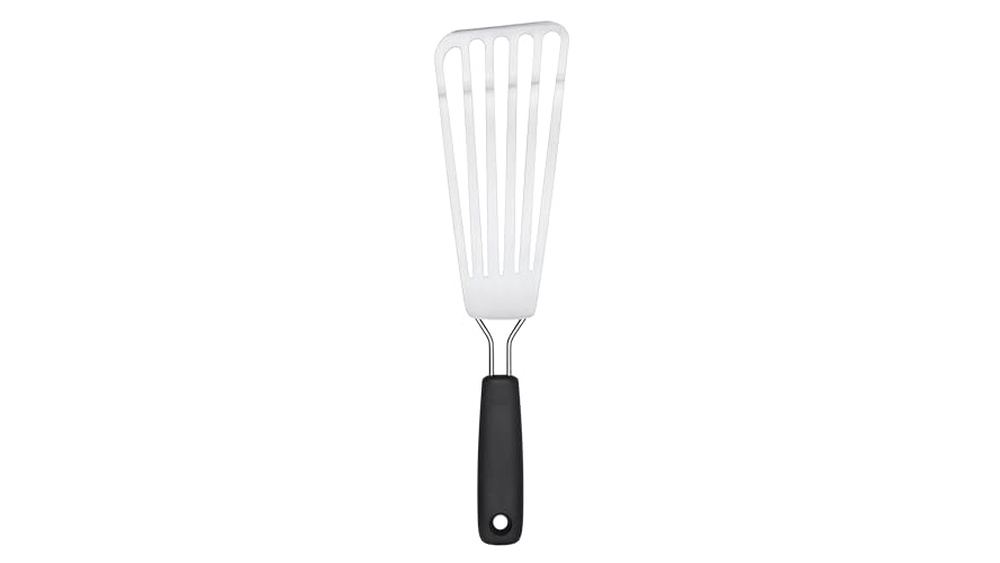
The type of utensil you use can make a significant difference in the lifespan of your nonstick cookware. Metal utensils, even those with slightly sharp edges, can scratch and gouge the delicate nonstick coating. These scratches create tiny imperfections where food can start to stick, and they can also compromise the integrity of the entire coating.
Over time, repeated scratching will lead to the loss of nonstick properties and may even cause the coating to chip or peel.
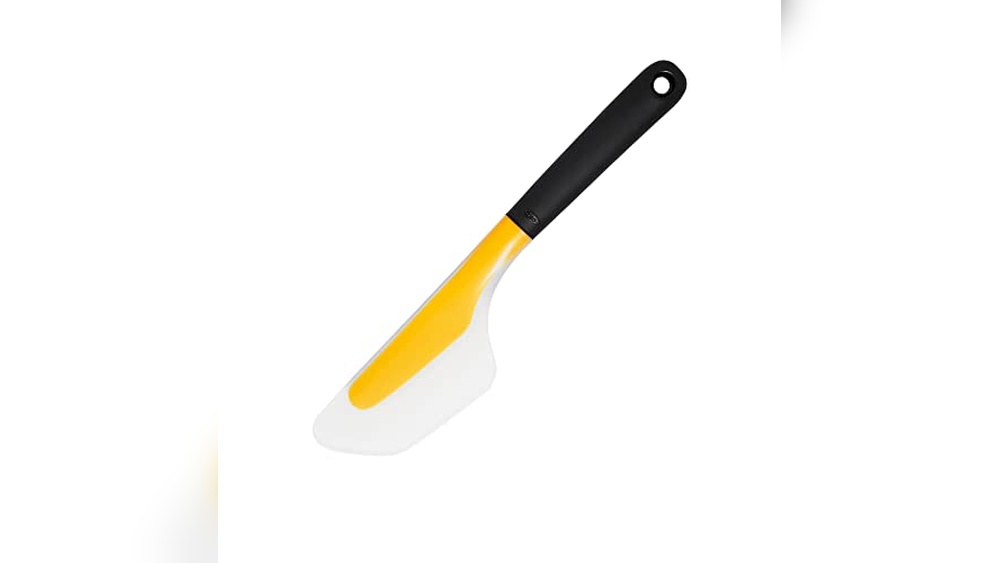
For this reason, it’s highly recommended to use utensils made from softer materials that won’t damage the nonstick surface. Silicone, wood, bamboo, and heat-resistant plastic are excellent choices. These materials are gentle on the coating and will help preserve its smooth, nonstick finish.
When you’re stirring, flipping, or serving food from a nonstick pan, always reach for one of these alternative utensils. It’s a simple habit that pays off greatly in the long run.
It’s important to be mindful even with “safe” utensils. For example, while silicone is generally safe, very stiff or sharp-edged silicone can still cause minor abrasions if used aggressively. Similarly, even wooden spoons can have rough spots or splinters if they are old or poorly made.
Regularly inspect your utensils for any signs of wear or damage that could potentially harm your nonstick pans. Investing in a good set of nonstick-safe utensils is a small price to pay for keeping your cookware in excellent condition for years to come.
Cleaning and Storing Your Pans
Cleaning nonstick cookware is generally straightforward, but there are a few things to keep in mind to avoid damage. Always allow your pans to cool down completely before washing them. Placing a hot pan under cold water can cause thermal shock, which can warp the pan or damage the nonstick coating.
Once cool, wash by hand with a soft sponge or cloth and mild dish soap. Avoid abrasive scrubbers, steel wool, or harsh cleaning chemicals, as these can scratch or strip away the nonstick layer.
Some nonstick cookware is advertised as dishwasher safe. While this can be convenient, handwashing is generally the preferred method for extending the life of the nonstick coating. Dishwasher detergents are often very strong, and the high heat and forceful jets of water can gradually wear down the nonstick surface over time.
If you do choose to use the dishwasher, place the pans on the top rack and use a gentle cycle with mild detergent.
When storing nonstick pans, take care to prevent scratches. It’s best to avoid stacking them directly on top of each other, especially if they have lids or sharp edges on other pans. If you need to stack them, place a pan protector or a soft cloth, like a paper towel or a soft dishcloth, between each pan.
This creates a protective layer that prevents the surfaces from rubbing against each other. Proper storage helps maintain the smooth, unblemished surface that makes nonstick cookware so effective.
The Durability and Lifespan of Nonstick
The lifespan of nonstick cookware can vary quite a bit, depending on the type of coating, the quality of the pan, and how well it’s maintained. A high-quality nonstick pan, when cared for properly, can last for several years, continuing to provide excellent performance. However, even the best nonstick coatings will eventually wear down.
It’s a gradual process, and you’ll usually notice the signs before the coating fails completely. Knowing these signs can help you decide when it’s time to replace your cookware.
The durability is a key consideration for many consumers. While the convenience is undeniable, the idea of having to replace cookware frequently can be a drawback. Understanding what affects the lifespan can help you invest wisely and make your current pans last longer.
It’s a balance between the inherent properties of the coatings and the user’s habits.
Signs Your Nonstick Is Wearing Out
You’ll know your nonstick cookware is starting to wear out when food begins to stick more frequently, even with proper heating and a little oil. If you notice that eggs are no longer sliding freely, or that you have to scrape to get residue off, this is a strong indicator that the nonstick properties are diminishing. Another sign is visible damage to the surface, such as scratches, chips, or peeling sections.
These imperfections not only make the pan less effective but can also be concerning from a food safety perspective.
You might also notice changes in how evenly food cooks. A worn-out nonstick surface can lead to hot spots and uneven cooking. The original smooth, uniform release of food is replaced by patches where adhesion occurs.
If your pan starts to look dull or discolored in certain areas, it could also be a sign of degradation. These visual and performance cues are your cookware’s way of telling you it’s time to consider a replacement.
The presence of tiny bubbles or a warped surface are also signs of wear and tear. Bubbles can indicate that the coating is delaminating from the metal base, often due to overheating or thermal shock. A warped pan won’t sit flat on the stovetop, leading to uneven heat distribution and poor cooking results.
These are all functional and visual indicators that the pan has reached the end of its useful nonstick life.
Factors Affecting Longevity
Several factors influence how long your nonstick cookware will last. The most significant is the quality of the initial coating. Higher-end pans often use thicker, more durable coatings with better adhesion to the metal base.
Then, there’s the material of the pan itself – a sturdy aluminum or stainless steel base will distribute heat better and is less prone to warping, which indirectly protects the coating.
User habits play a huge role. As mentioned, using metal utensils, subjecting the pan to extreme heat, and improper cleaning methods (like abrasive scrubbers or harsh detergents) will significantly shorten its lifespan. Thermal shock, such as plunging a hot pan into cold water, can also cause microscopic damage that accumulates over time.
Even how the pans are stored – stacked without protection – can lead to premature wear.
For example, a pan that is used daily for eggs and pancakes, always with silicone utensils, hand-washed gently, and never overheated, will likely last much longer than a pan that is used occasionally but subjected to high heat, metal spatulas, and run through the dishwasher every time. The statistical average lifespan of a mid-range nonstick pan can be anywhere from 2 to 5 years, while premium models might extend this to 5 to 10 years with exceptional care.
When to Replace Your Nonstick Pans
It’s time to replace your nonstick pans when their performance noticeably degrades, meaning food consistently sticks despite following proper cooking and cleaning procedures. Visible damage is another critical factor. If the coating is chipped, flaking, peeling, or deeply scratched, it’s not just a matter of performance; it can also be a health concern.
Tiny particles of the coating could potentially transfer into your food.
If you find yourself having to use more oil or butter than you ever did before, and food still sticks, the nonstick layer has likely worn away. Don’t try to “re-season” nonstick pans like you would with cast iron; it’s not effective and can even be detrimental. The surface is designed to be a permanent coating, and once it’s compromised, its integrity is gone.
A good rule of thumb is to assess your pans every year or two. If they are still performing well, great! If you start seeing the signs mentioned above – increased sticking, visible damage, or difficulty cleaning – it’s probably time to invest in new ones.
Replacing worn-out nonstick pans can significantly improve your cooking experience, making meals more enjoyable and cleanup much less of a chore. For instance, a survey by a home goods retailer found that over 60% of consumers replace their nonstick pans every 3-5 years, often citing diminished performance as the primary reason.
Beyond the Basics How Nonstick Cookware Works
We’ve covered the fundamental science behind how nonstick cookware works, from the materials used to the importance of proper care. Understanding these principles empowers you to make informed choices and get the best performance from your kitchen tools. The technology behind nonstick is constantly evolving, with manufacturers striving for coatings that are more durable, more eco-friendly, and offer even better release properties.
Think about the advancements in materials science that allow for coatings that are thinner yet stronger, or that can withstand higher temperatures without degradation. The goal is always to provide cooks with a reliable, easy-to-use surface that simplifies the cooking process and makes cleanup a breeze. Exploring these innovations can lead to an even more enjoyable time in the kitchen.
Environmental and Health Considerations
When discussing nonstick cookware, it’s important to touch upon environmental and health considerations. Historically, concerns have been raised about PFOA (perfluorooctanoic acid), a chemical used in the manufacturing of PTFE coatings. PFOA was found to be persistent in the environment and has been linked to various health issues.
However, it is critical to note that modern nonstick cookware manufactured in the last decade is virtually PFOA-free. Manufacturers have transitioned to alternative processes that do not use PFOA.
The primary concern with nonstick cookware today often revolves around overheating PTFE-based coatings. When heated to very high temperatures (above 500°F or 260°C), PTFE can break down and release fumes. These fumes can be harmful to birds, causing a condition known as “polymer fume fever” in humans, which resembles flu-like symptoms.
This is why it’s strongly advised never to preheat an empty nonstick pan on high heat and to ensure good ventilation when cooking. Ceramic coatings are often marketed as a safer alternative in this regard, as they do not produce these fumes when overheated, although they may have their own durability limitations.
The production and disposal of nonstick cookware also have environmental implications. The manufacturing processes for both PTFE and ceramic coatings require energy and resources. When nonstick pans reach the end of their life, they can be difficult to recycle due to the composite nature of their construction.
However, some recycling programs exist for cookware, and responsible disposal is encouraged. As consumers, choosing products from companies that prioritize sustainable manufacturing practices and durable designs can help mitigate some of these environmental impacts. Research suggests that the average household replaces nonstick pans every 3 to 5 years, contributing to waste streams.
Extended care and choosing high-quality, long-lasting products can help reduce this frequency.
The PFOA-Free Transition
The transition to PFOA-free nonstick cookware has been a significant development in the industry. PFOA was a processing aid used in the manufacturing of PTFE, but due to its environmental and health concerns, its use has been phased out by major manufacturers. Regulatory bodies in many countries have either banned or strictly limited the use of PFOA.
This means that most nonstick cookware purchased today, especially from reputable brands, does not contain PFOA.
This change has reassured many consumers about the safety of their cookware. The focus has shifted to ensuring that the manufacturing processes are cleaner and that the final product is inert and safe for cooking. While PFOA is no longer a concern in new cookware, it’s still important to be aware of the historical context and to continue practicing safe cooking habits, particularly regarding high heat, regardless of the specific nonstick coating used.
The industry has largely embraced this transition, making PFOA-free the standard for PTFE-based nonstick products.
The chemical industry invested heavily in developing alternative manufacturing methods for PTFE that eliminate the need for PFOA. These methods often involve different processing aids or entirely new application techniques. The result is a nonstick surface that maintains its performance characteristics while being free from the problematic chemical.
This shift reflects a broader trend towards greater environmental responsibility and consumer safety in product manufacturing. It’s a positive step that makes nonstick cookware a more reassuring choice for everyday use.
Innovation in Nonstick Technology
The world of nonstick cookware is not static; there’s ongoing innovation aiming to improve durability, performance, and sustainability. Manufacturers are continuously researching new materials and application techniques to create coatings that last longer and perform better. Some advancements include reinforcing PTFE with hard particles like titanium or diamond to enhance scratch resistance.
Others focus on creating multi-layer systems where different coatings are applied to achieve specific benefits.
For example, some newer technologies involve creating textured nonstick surfaces that mimic the look of cast iron while retaining the easy-release properties. There’s also a push towards more eco-friendly manufacturing processes and coatings derived from renewable resources. The goal is to offer consumers cookware that is not only convenient but also more durable and environmentally conscious.
The future of nonstick likely involves even smarter materials and production methods that benefit both the user and the planet.
One area of innovation is in the bonding of the nonstick layer to the pan. Stronger adhesion means the coating is less likely to peel or flake over time. Companies are developing advanced primers and curing techniques to ensure a robust connection between the metal base and the nonstick surface.
This not only extends the life of the pan but also ensures the integrity of the nonstick layer, preventing it from becoming a source of concern. The continuous pursuit of better performance and longevity is what drives these technological advancements.
Frequently Asked Questions of How Nonstick Cookware Works
How do I know when my nonstick pan is no longer safe to use?
If your nonstick pan has visible scratches, chips, peeling, or if food consistently sticks despite proper cooking and cleaning, it’s likely no longer safe or effective. Damaged surfaces can potentially release coating particles into your food.
Can I use metal utensils on any nonstick pans?
It is generally not recommended to use metal utensils on any nonstick cookware, as they can scratch and damage the coating. Always opt for silicone, wood, or heat-resistant plastic utensils.
What is the difference between PTFE and ceramic nonstick?
PTFE is a synthetic fluoropolymer known for its superior slipperiness, while ceramic is a harder, smoother surface often derived from natural materials. Ceramic may be more scratch-resistant but can sometimes lose its nonstick properties faster than high-quality PTFE.
How can I clean my nonstick pans without damaging them
Always allow pans to cool completely before washing by hand with mild dish soap and a soft sponge. Avoid abrasive scrubbers, steel wool, and harsh detergents. While some are dishwasher safe, handwashing is best for longevity.
Is it safe to cook at high temperatures with nonstick cookware
It’s best to use medium heat for most cooking with nonstick pans. High heat (above 500°F or 260°C) can degrade PTFE coatings and release fumes. Ceramic coatings may tolerate higher heat better, but always check manufacturer guidelines.
Final Thoughts
The science behind how nonstick cookware works is all about creating a super smooth, low-surface-energy barrier that prevents food from bonding. Whether it’s the robust PTFE or the slick ceramic, these coatings make cooking and cleaning much simpler for everyone. You’ve learned about the materials that give pans their magical nonstick ability, like PTFE and ceramic, and how they interact with food molecules to prevent sticking.
We’ve also explored the essential care routines – using the right utensils, controlling heat, and gentle cleaning – that are key to keeping your nonstick pans in top shape for years. Understanding the signs that your cookware might be wearing out will help you know when it’s time for a
So, next time you see food effortlessly slide from your pan, you’ll have a clearer picture of the clever science at play. Keep these tips in mind, and enjoy the convenience and ease that well-maintained nonstick cookware brings to your kitchen. Happy cooking!