
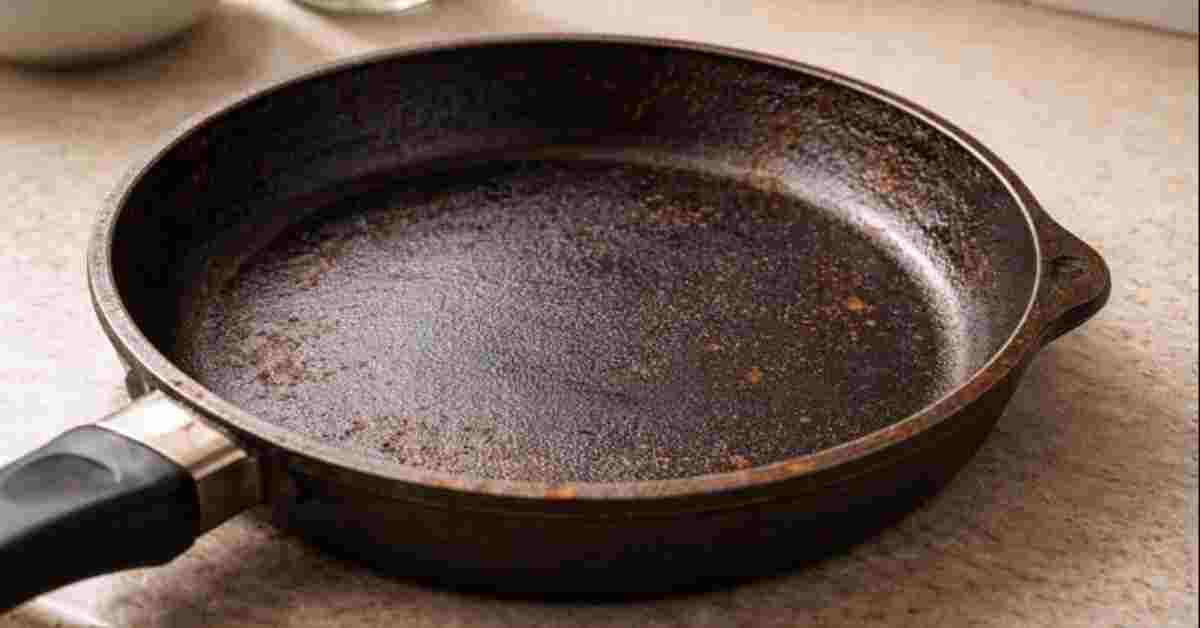
Cookware can rust even after drying because microscopic moisture remains trapped in pores, seams, or scratches, especially on cast iron and carbon steel. Exposure to humid air after washing allows oxidation to start almost immediately, even when the surface feels dry.
It’s a frustrating surprise: you’ve carefully washed and dried your pots and pans, only to find little orange specks of rust appearing later. If you’re new to cooking, this can feel like a big challenge, making you wonder what you did wrong. Don’t worry, it’s a common issue that many people run into.
This guide will show you exactly what causes this problem and how to easily fix it, so your cookware stays shiny and rust-free. We’ll also look at how different types of cookware handle moisture and what you can do to keep them in top shape.
Key Takeaways
- Rust on cookware often happens due to tiny bits of metal left on the surface.
- Even with thorough drying, lingering moisture or certain cleaning agents can start the rusting process.
- Different cookware materials react to moisture in unique ways, affecting their rust potential.
- Simple habits and a few key steps can prevent rust from forming on your pans.
- Restoring rusted cookware is usually straightforward with the right methods.
- Knowing your cookware’s material helps you care for it properly to avoid rust.
Understanding the Causes of Cookware Rust
Rust on your cooking tools might seem like a mystery, especially when you’re sure you’ve dried them well. This section explores the main reasons why this happens, even after you’ve put them away clean. We’ll break down the science behind rust formation in a way that’s easy to grasp.
The Role of Metal Composition
The type of metal your cookware is made from plays a big role in whether it will rust. Most common cookware is made from metals like iron, cast iron, stainless steel, or aluminum. Each of these has different properties when it comes to interacting with water and air.
Iron and Cast Iron: These are prone to rust because they are pure iron or a high percentage of iron. Iron readily oxidizes, which is the chemical reaction that creates rust. When water or moisture sits on the surface, it reacts with the iron, forming iron oxide – the reddish-brown stuff we call rust.
Stainless Steel: This is an alloy, meaning it’s a mixture of metals, usually iron, chromium, and nickel. The chromium is key here. It forms a thin, invisible layer of chromium oxide on the surface.
This layer is protective and prevents the iron underneath from rusting. However, if this layer is scratched or damaged, or if the stainless steel has a lower chromium content, it can still rust.
Aluminum: Aluminum also oxidizes, but it forms aluminum oxide, which is a grayish-white color and is quite stable. It acts as a protective barrier, preventing further corrosion. So, while aluminum can look dull or tarnished, it doesn’t typically rust in the same way iron does.
Understanding these material differences helps explain why some pans are more susceptible than others. It’s not about being clumsy; it’s about the inherent properties of the metals themselves.
Moisture: The Silent Culprit
Even a tiny bit of leftover moisture can kickstart the rusting process. This is often where people get confused about Why Cookware Rusts Even After Drying. Drying seems obvious, but “drying” can mean different things.
Lingering Water Droplets: After washing, water can get trapped in seams, rivets, or textured surfaces. These small amounts of water might not be visible, but they are enough to cause trouble. When the pan is put away in a cupboard, this trapped moisture has nowhere to go.
Humidity: The air itself contains moisture. If your cookware is stored in a humid environment, like a kitchen with poor ventilation, it can slowly absorb moisture from the air, even if it feels dry to the touch.
Dishwasher Residue: If you use a dishwasher, certain drying cycles or leftover rinse aid can leave a thin film of moisture or mineral deposits that encourage rust, especially on less durable cookware.
Chemical Reactions: Sometimes, cleaning agents or food residues can contribute. Certain harsh detergents or acidic foods left in contact with the pan for too long can etch the metal’s surface, making it more vulnerable to rust.
The key is that metal needs contact with both water and oxygen to rust. If even a small amount of water remains, and oxygen is present (which it always is in the air), the chemical reaction begins.
The Role of Cleaning and Storage
How you clean and store your cookware significantly impacts its longevity and appearance. Improper care can lead to rust, even if you’re being careful.
Improper Washing Techniques
The way you wash your pans is a common reason for rust to appear later. Using the wrong tools or methods can damage the protective layers of your cookware.
- Abrasive Scrubbers: Steel wool pads or very coarse brushes can scratch the surface of your cookware. For stainless steel, this can remove the protective chromium oxide layer. For cast iron, it can strip away the seasoning, which is a layer of polymerized oil that protects it. When this protective layer is gone, the bare metal is exposed to air and moisture, making rust much more likely. It’s like removing a shield, leaving the metal vulnerable to attack from the elements. Even if you dry the pan immediately, the damage is done, and rust can begin to form in those compromised areas.
- Harsh Detergents: While most dish soaps are fine, some very strong or abrasive detergents can also break down protective coatings or etch metal surfaces over time. This is especially true for older or more delicate pans. These chemicals can accelerate the corrosion process. They might strip away natural oils or protective treatments that are designed to keep the metal from reacting with the environment. It’s similar to how strong acids can eat away at things; these detergents can weaken the metal’s resistance to oxidation.
Inadequate Drying Methods
As mentioned, “drying” is crucial, but how you do it matters. Air drying, while seemingly hands-off, can sometimes leave more moisture behind than you think.
- Air Drying: Simply leaving pans to air dry on a rack might seem convenient, but it’s often the least effective method for preventing rust. Water droplets can linger in hard-to-reach spots, and the evaporation process can be slow, especially in humid kitchens. This slow evaporation gives moisture just enough time to start its chemical work. Think of it like leaving a metal object outside in damp weather; even if it doesn’t stay submerged, it can still rust over time. The prolonged exposure to both water and air is the problem.
- Towel Drying: While better than air drying, towel drying needs to be thorough. If you use a towel that’s not absorbent or if you don’t reach every nook and cranny, you’ll leave moisture behind. Some towels can even leave lint behind, which can trap moisture. The goal is to remove all visible and trapped water. A good quality, absorbent towel and a bit of attention to detail can make a big difference here.
Improper Storage
Where and how you store your cookware also plays a part in rust prevention.
- Damp Storage Areas: Storing pots and pans in a damp cupboard or next to a sink that often has water splashed around can lead to rust. The ambient moisture in these areas can be enough to start the process, even if the pans seem dry when you put them away. It’s like storing paper in a damp basement; it will eventually get moldy or degraded.
- Nesting Cookware: When you stack pots and pans inside each other (nesting), moisture can get trapped between the layers. This is particularly an issue if the pans aren’t completely dry. The contact points between the cookware create small spaces where water can sit undisturbed for long periods, leading to rust on the surfaces that touch.
Specific Cookware Materials and Rust Concerns
Different materials have different levels of rust resistance. Understanding these differences helps you tailor your care routine. This section examines common cookware types and their specific vulnerabilities.
Cast Iron Cookware
Cast iron is famous for its durability and excellent heat retention, but it’s also the most notorious for rusting if not cared for properly.
The Nature of Cast Iron
Cast iron is a type of iron alloy with a high carbon content. Its porous nature means it’s more susceptible to oxidation (rusting) than other materials.
Seasoning: Cast iron pans are typically “seasoned,” which means they have been coated with a layer of polymerized oil. This seasoning forms a natural, non-stick surface and, crucially, a barrier against moisture and air.
Rust Formation: If this seasoning is damaged, worn away, or if moisture is left on the pan, rust will form quickly on the exposed iron. This is why the typical advice for cast iron is to avoid harsh detergents and always dry it thoroughly immediately after washing.
Example: Imagine a cast iron skillet used for frying bacon. After cooking, it’s washed with soap and a scouring pad. If the seasoning isn’t perfect, or if water is left in a crevice, small rust spots can appear by the next day.
A common scenario involves washing it and then leaving it to air dry near the sink, where it picks up ambient moisture and rusts.
Caring for Cast Iron to Prevent Rust
Preventing rust on cast iron is all about maintaining its seasoning and ensuring it’s bone dry.
- Wash Gently: Use hot water and a soft sponge or brush. If you need soap, use a mild dish soap sparingly. Avoid dishwashers and abrasive scrubbers like steel wool, as they will strip the seasoning. The idea is to clean off food bits without removing the protective oil layer. Think of it like gently rinsing off dirt without scrubbing off paint. This preserves the integrity of the seasoning, which is your primary defense against rust.
- Dry Immediately and Thoroughly: After washing, dry the pan with a towel. Then, place it on a low heat on the stovetop for a few minutes to evaporate any remaining moisture. This “toasting” step is critical. Even if the pan feels dry to the touch, heating it ensures that any microscopic water trapped in the pores or seams is driven out. This is a quick but essential step that prevents moisture from sitting on the iron’s surface.
- Lightly Re-Oil: Once dry and slightly warm, apply a very thin layer of cooking oil (like vegetable oil or flaxseed oil) to the entire surface with a paper towel. Wipe off any excess. This light re-oiling helps to protect the seasoning and prevents moisture from reaching the iron. It’s like applying a fresh coat of wax to a car; it adds an extra layer of protection. This is done after drying, not before, to ensure the oil can penetrate and protect properly.
Stainless Steel Cookware
Stainless steel is popular because it’s generally more resistant to rust than cast iron. However, it’s not entirely immune.
Stainless Steel’s Protective Layer
The “stainless” in stainless steel comes from chromium. When chromium is exposed to oxygen, it forms a passive, invisible layer of chromium oxide. This layer acts as a shield, preventing rust from forming on the iron content within the steel.
Damage to the Layer: This protective layer can be scratched or damaged by harsh scrubbing, strong acids, or prolonged contact with corrosive substances. When the layer is compromised, the underlying iron can be exposed and start to rust.
Example: Imagine a stainless steel pot where you’ve used steel wool to scrub off burnt-on food. The scrubbing might have removed some of the protective chromium oxide layer in that area. If water is left in that scratched spot, even for a short time, rust can begin to form.
Preventing Rust on Stainless Steel
While durable, stainless steel still needs proper care.
- Avoid Abrasive Cleaning: Use soft sponges, nylon brushes, or microfiber cloths. If you need to scrub something tough, try soaking first or using a non-abrasive cleaner. The goal is to remove food particles without scratching the surface. Scratches are weak points where rust can take hold. Gentle cleaning preserves the integrity of the stainless steel’s natural protection.
- Dry Thoroughly: After washing, dry stainless steel cookware immediately and completely with a soft towel. Pay attention to handles, rivets, and lids. Even though it’s “stainless,” prolonged exposure to moisture, especially in crevices, can still lead to superficial rust spots. A quick wipe down is usually sufficient, but be thorough.
- Rinse Well After Acidic Foods: Acidic foods like tomatoes or vinegar can, over time, slightly etch the surface of stainless steel if left in contact for too long. Rinse them away promptly. Acids can weaken the passive chromium oxide layer. While this usually doesn’t cause immediate rust, repeated exposure can make the metal more vulnerable. Prompt rinsing neutralizes any lingering acidity.
Non-Stick Cookware
Non-stick pans, like those with Teflon or ceramic coatings, are generally quite resistant to rust because the coating itself is non-metallic. However, rust can still be an issue, particularly with older or damaged pans.
Where Rust Can Appear
Rust on non-stick cookware usually doesn’t come from the non-stick surface itself. Instead, it often appears on the metal components.
- Metal Handles or Rivets: Many non-stick pans have metal handles or rivets that attach them to the pan. These metal parts can be made of stainless steel or other alloys that are susceptible to rust. If water gets trapped around these metal attachments and isn’t dried properly, rust can form. This is especially true for pans with older designs where there might be small gaps.
- Damaged Coating: If the non-stick coating is deeply scratched or chipped, it can expose the underlying metal. If this metal is iron-based and exposed to moisture, it can rust. While the coating is designed to protect, significant damage creates vulnerabilities. The rust then appears beneath or around the damaged area.
- Base Layer of Some Pans: Some non-stick pans might have a base layer made of aluminum or stainless steel that could potentially rust if the coating is breached. The rust would then show through from underneath. This is less common with high-quality pans but can happen with cheaper ones or after extensive use.
Caring for Non-Stick Cookware
The focus here is on preserving the coating and ensuring metal parts are kept dry.
- Gentle Cleaning: Always use soft sponges or cloths. Never use steel wool or abrasive scrubbers, as they will ruin the non-stick surface and potentially expose the metal underneath. A clean surface is a protected surface. Harsh cleaners don’t help with the non-stick coating and can damage any exposed metal parts.
- Dry All Parts: Pay special attention to drying the handles, rivets, and any metal accents. Ensure no water is left in these areas. This is where rust most commonly appears on non-stick cookware. A quick, thorough drying of these specific points can prevent most issues.
- Avoid Extreme Temperature Changes: Rapid cooling can sometimes cause warping or damage to the coating and the bond with the metal. This is less about rust and more about preserving the pan’s integrity, but a damaged pan is more likely to expose its metal parts to moisture.
Practical Solutions for Rust Prevention
Now that we know why rust happens, let’s look at simple, practical ways to stop it before it starts. These are everyday habits that make a big difference.
The Ultimate Drying Method
Drying is the most critical step. While towel drying is good, a little extra effort goes a long way.
- Towel Dry Immediately: As soon as you finish washing, grab a clean, absorbent towel and dry all surfaces of your cookware. Don’t leave it sitting wet. This is the first line of defense. The goal is to remove as much visible water as possible right away.
- Heat Dry for Stubborn Moisture: For cast iron or any pans you suspect might have residual moisture, place them on a low heat setting on your stovetop for a few minutes after towel drying. This evaporates any remaining water trapped in microscopic pores or seams, ensuring the metal is completely dry and inhospitable to rust. This step is particularly important for cast iron.
- Ensure Handles and Lids are Dry: Don’t forget about the parts that often get overlooked, like the undersides of handles, lids, and around rivets. These are common spots for water to hide. Checking these areas and giving them a good wipe or brief heat treatment ensures no moisture is left behind to cause problems later.
Protective Coatings and Seasoning
Maintaining protective layers is key, especially for cast iron.
- Re-seasoning Cast Iron: Regularly re-season your cast iron cookware. This involves applying a thin layer of oil and heating it until it polymerizes, creating a durable, non-stick, and rust-resistant surface. This process replenishes the protective layer that wears down with use and washing. A well-seasoned pan is much less likely to rust.
- For Other Cookware: While not as extensive as cast iron seasoning, ensuring stainless steel surfaces are clean and free of scratches helps maintain their natural protective oxide layer. For non-stick, avoid damaging the coating so the underlying metal is not exposed. Think of it as maintaining the integrity of the pan’s surface. Even for stainless steel, keeping it in good condition means it functions as intended, resisting rust.
Smart Storage Solutions
How you store your pans matters for preventing rust.
- Dry Storage Areas: Store cookware in a dry, well-ventilated area. Avoid storing them near sinks where splashing is common or in damp cupboards. Controlling the environment where your pans live is as important as how you clean them. A dry cupboard is your friend.
- Use Pan Protectors: If you nest your cookware, use pan protectors or cloths between layers. This prevents scratching and allows for air circulation, reducing the risk of trapped moisture. These simple fabric or silicone discs act as a buffer, preventing direct metal-on-metal contact and creating space for air to flow.
- Hang Cookware: Whenever possible, hang your pots and pans on a rack. This allows for maximum air circulation around all surfaces, ensuring they dry completely. Hanging is an excellent way to guarantee that no moisture gets trapped. Air can reach every part, speeding up the drying process and preventing rust.
Restoring Rusted Cookware
Accidents happen, and rust might appear despite your best efforts. Fortunately, most rust can be removed.
Removing Rust from Cast Iron
Cast iron rust is common but usually fixable.
- Scrub the Rust Away: Use steel wool or a stiff brush to scrub away all visible rust. For stubborn rust, you might need to use a bit of baking soda paste or a dedicated rust remover for cast iron. The goal is to get down to the bare metal. You’ll be removing the iron oxide, which is the rust itself.
- Wash and Dry Thoroughly: After scrubbing, wash the pan with hot water and mild soap. Then, dry it immediately and thoroughly using the heat-drying method on the stovetop. This step cleans off any residue from scrubbing and ensures the pan is completely dry to prevent immediate re-rusting.
- Re-season the Pan: Apply a thin, even layer of cooking oil over the entire pan, inside and out. Wipe off any excess oil. Place the pan in a preheated oven (around 400-450°F or 200-230°C) upside down for about an hour. Repeat this seasoning process 2-3 times for a good, protective layer. This step rebuilds the protective seasoning that was likely removed during the rust-cleaning process. Multiple layers build up a durable, rust-resistant finish.
Removing Rust from Stainless Steel
Rust spots on stainless steel are usually superficial and easier to remove.
- Use Baking Soda Paste: Mix baking soda with a little water to form a paste. Apply it to the rusted areas and let it sit for a few minutes. Baking soda is a mild abrasive that can lift rust without damaging the stainless steel.
- Gentle Scrubbing: Use a soft cloth or a non-abrasive sponge to gently scrub the rust spots. For more stubborn spots, you can try a nylon scrubbing pad. Work gently to avoid scratching the stainless steel. The aim is to remove the rust discoloration.
- Rinse and Dry: Rinse the cookware thoroughly with water and dry it immediately and completely with a soft towel. This removes the baking soda residue and ensures no moisture is left behind to cause new rust.
- Commercial Stainless Steel Cleaners: If the rust is persistent, a commercial stainless steel cleaner can be used. Follow the product instructions carefully and always rinse and dry thoroughly afterward. These cleaners are formulated to be effective on stainless steel without causing damage, but always test in an inconspicuous area first if unsure.
Here’s a quick comparison of rust removal methods:
| Cookware Type | Rust Removal Method | Post-Treatment |
|---|---|---|
| Cast Iron | Steel wool, stiff brush, rust remover (if needed) | Wash, heat dry, re-season multiple times |
| Stainless Steel | Baking soda paste, mild abrasive sponge, commercial cleaner | Rinse, dry thoroughly |
| Non-Stick (metal parts) | Similar to stainless steel (depending on the metal) | Rinse, dry thoroughly, check coating |
The key takeaway is that treating rust involves removing the oxidation and then protecting the metal to prevent it from returning.
Sample Scenario: The Coffee Stain Mystery
Let’s say you cooked something acidic, like a tomato sauce, in your stainless steel pot. You wash it and dry it, but the next day, you notice a faint reddish-brown mark inside.
- You remember the tomato sauce was left in the pot for a bit after cooking.
- You suspect that the acid might have weakened the protective layer slightly, and perhaps a tiny bit of moisture was left in a less visible spot.
- You make a paste of baking soda and water, apply it to the mark, and gently scrub with a soft cloth.
- You rinse the pot thoroughly and dry it immediately with a soft towel, ensuring every part is dry.
- The mark is gone, and the pot looks as good as new, ready for its next use. This shows that prompt action and gentle cleaning can solve many rust-related issues on stainless steel.
When to Consider Replacing Cookware
While most rust issues are fixable, there are times when it’s better to retire a piece of cookware.
- Deep Pitting or Corrosion: If rust has caused deep pits or significant corrosion in the metal, the structural integrity of the pan might be compromised. This is especially concerning for items like cast iron or pans where stability is important. These deep imperfections can weaken the material, making it prone to cracking or breaking. They can also be very difficult to clean properly, potentially harboring bacteria.
- Severely Damaged Non-Stick Coating: If the non-stick coating on your pan is heavily scratched, flaking off, or has large areas where the underlying metal is exposed and rusting, it’s often time for a replacement. A compromised non-stick surface not only makes cooking difficult but can also lead to ingesting small particles of the coating or exposed metal, which is not ideal for health.
- Persistent Rust Despite Efforts: If you’ve tried all the recommended rust removal and prevention methods and the rust keeps coming back aggressively, the material might be fundamentally compromised, or the pan might be nearing the end of its useful life. Sometimes, despite best efforts, a piece of cookware might have an inherent issue that makes it a constant battle against rust. At that point, the effort might outweigh the benefit.
The decision to replace cookware is personal, but when safety, performance, or hygiene is significantly impacted by rust or damage, it’s wise to consider newer options.
Frequently Asked Questions of Why Cookware Rusts Even After Drying?
Why do I see rust on my brand new pan?
Even new cookware can rust if it’s been exposed to moisture during shipping or storage. Sometimes protective coatings can be scratched, or moisture can be trapped in packaging. Ensure you wash and dry it thoroughly before its first use.
Can I use my rusted cast iron pan?
While you can technically cook with a rusted cast iron pan, it’s not recommended. The rust can affect food flavor and is unappealing. It’s best to remove the rust and re-season the pan first.
Does soap damage my cookware’s rust protection?
Mild dish soap used sparingly is generally fine for most cookware. However, harsh detergents or excessive soap can strip away protective seasoning (especially on cast iron) or scratch delicate surfaces, making them more prone to rust.
How often should I re-season my cast iron skillet?
The frequency depends on use. A good rule of thumb is to re-season your cast iron skillet after every few uses, or whenever you notice the seasoning wearing thin, food starts sticking more, or you see signs of rust.
Is it safe to eat food cooked in a slightly rusted pan?
While small amounts of rust (iron oxide) are generally not considered toxic and are even present in some foods, it’s best to avoid cooking in or eating from a visibly rusted pan. Rust can affect the taste and appearance of your food, and it indicates that the pan is not in optimal condition for cooking.
Final Thoughts
It’s clear that rust on cookware, even after drying, is a common issue stemming from material properties, lingering moisture, and how we clean and store our tools. Understanding that materials like cast iron are naturally more susceptible due to their composition, while stainless steel relies on a protective layer that can be damaged, helps explain the problem. Even non-stick pans can develop rust on their metal components if not cared for properly.
The good news is that prevention is often simple: thorough drying, especially with a final heat-dry for sensitive materials, and maintaining protective layers like seasoning are key. Smart storage in dry areas and using pan protectors when nesting also make a big difference. And if rust does appear, methods like baking soda paste for stainless steel or steel wool followed by re-seasoning for cast iron can restore your pans.
Don’t be discouraged by a little rust; often, a few easy steps can bring your cookware back to life and keep it looking great for years to come. Focus on consistency in your drying and cleaning routines, and your pans will thank you.