
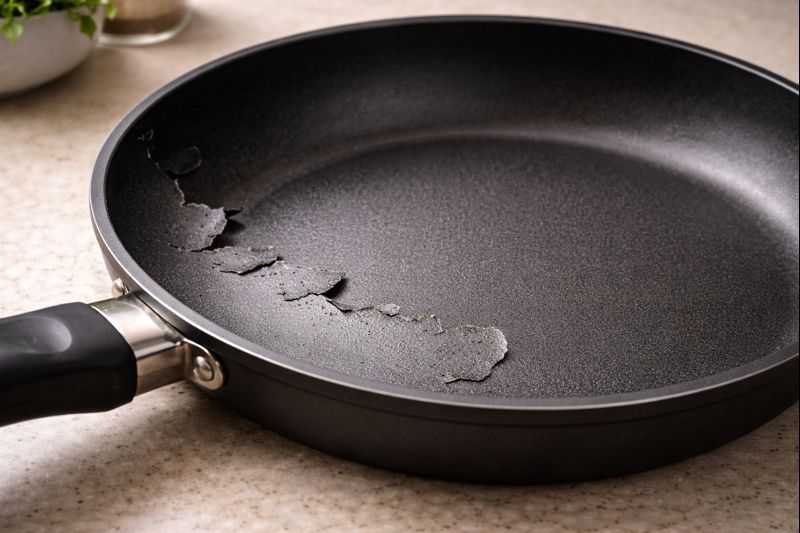
Nonstick coatings can peel without visible scratches because repeated overheating breaks down the chemical bonds between the coating and the metal beneath. Harsh detergents, dishwasher use, and thermal stress weaken the adhesion over time, causing the coating to lift and flake even when the surface looks smooth.
It’s frustrating when your nonstick pan starts losing its magic, right? You look closely, but there are no obvious scratches to blame. This common issue, Why Nonstick Coatings Peel Without Visible Scratches, can leave beginners scratching their heads.
Don’t worry, it’s not your fault! We’re going to break down exactly what’s happening in simple steps. You’ll learn why this happens and how to keep your cookware in top shape for longer.
Get ready to discover some simple tips that will make a big difference.
Key Takeaways
- Learn the hidden reasons nonstick coatings can break down even without apparent damage.
- Discover how everyday cooking habits can unintentionally harm your nonstick pans.
- Understand the science behind the nonstick layer and what causes it to fail.
- Find out which cooking tools and cleaning methods are best for protecting your pans.
- Gain practical advice to extend the life of your nonstick cookware.
The Science of Stickiness and Its Downfall
Nonstick coatings are amazing kitchen helpers. They usually have a slick surface that food just glides over. This makes cooking and cleaning a breeze.
But these coatings aren’t indestructible. They are made of special materials, most commonly a type of plastic called PTFE. This material is fantastic at preventing food from sticking.
However, it has its limits. Over time, or when exposed to certain conditions, this nonstick layer can start to break down. This breakdown is often the reason for peeling, even if you don’t see any deep scratches.
What Makes Nonstick Work?
The magic behind nonstick pans lies in their surface. These surfaces are typically made with polymers, with Polytetrafluoroethylene (PTFE) being the most popular. You might know PTFE by a brand name like Teflon.
This material has a unique chemical structure. Its molecules are arranged in a way that they don’t attract other substances easily. Think of it like a very smooth, slippery surface that doesn’t want to hold onto anything.
This low surface energy is what allows food to release so easily.
The nonstick coating is usually applied in several layers. These layers are bonded to the metal of the pan. The bonding process is important for durability.
When these layers are intact and bonded well, the pan performs as expected. However, various factors can weaken this bond or degrade the PTFE itself over time. This leads to the coating eventually failing, often through a process that doesn’t involve visible damage to the naked eye.
How Heat Affects the Nonstick Layer
One of the biggest culprits in nonstick coating failure is heat. While these pans are designed for cooking, extreme heat can cause problems. PTFE can begin to break down and release fumes at very high temperatures, typically above 500°F (260°C).
This high heat can weaken the bond between the nonstick coating and the pan’s metal. Even if you’re not intentionally cooking at these temperatures, a pan left empty on a hot burner can reach them. This can damage the coating from the inside out.
When the coating is exposed to prolonged high heat, it can become brittle. This brittleness makes it more prone to cracking and flaking, even without impact. The heat can also cause microscopic changes in the coating’s structure.
These changes might not be visible as a scratch, but they disrupt the nonstick properties. Eventually, small bits of the coating can detach, leading to peeling. This is a silent killer for your nonstick pans, as the damage is happening at a molecular level.
The Role of Cooking Oils and Fats
Using oils and fats is common in nonstick cooking. However, how and when you use them matters. Certain cooking sprays can contain additives that build up on the nonstick surface over time.
This buildup can become sticky itself. It can also prevent the coating from releasing food properly. This makes it seem like the nonstick is failing, even if the coating itself isn’t scratched.
More importantly, heating oils and fats to their smoke point repeatedly can also degrade the nonstick surface. When oils smoke, they are breaking down into harmful compounds. This process can leave a residue that is difficult to clean.
This residue can also interfere with the nonstick performance. Over time, these residues can polymerize and bond to the pan, creating a layer that the new food sticks to. This happens even if the original PTFE coating is still physically present.
Common Mistakes That Cause Nonstick Wear
Many people make small errors in their daily cooking routine without realizing it. These small mistakes add up and can significantly shorten the life of nonstick cookware. Understanding these common pitfalls is key to preserving your pans.
Often, the damage occurs gradually, so you don’t notice it until the nonstick surface is already compromised.
Using the Wrong Utensils
The type of utensils you use with your nonstick pans is a major factor. Metal utensils are a definite no-no. Even if they don’t seem to be scratching the surface, they can cause microscopic damage.
Over time, these tiny abrasions accumulate. They create weak points in the nonstick coating. These weak points are where peeling can begin.
It’s like a small crack in a dam; eventually, it can lead to a bigger problem.
Plastic utensils can also be problematic, especially if they are old or damaged. They can melt slightly at high temperatures, leaving residue. Wood or bamboo utensils are generally safer.
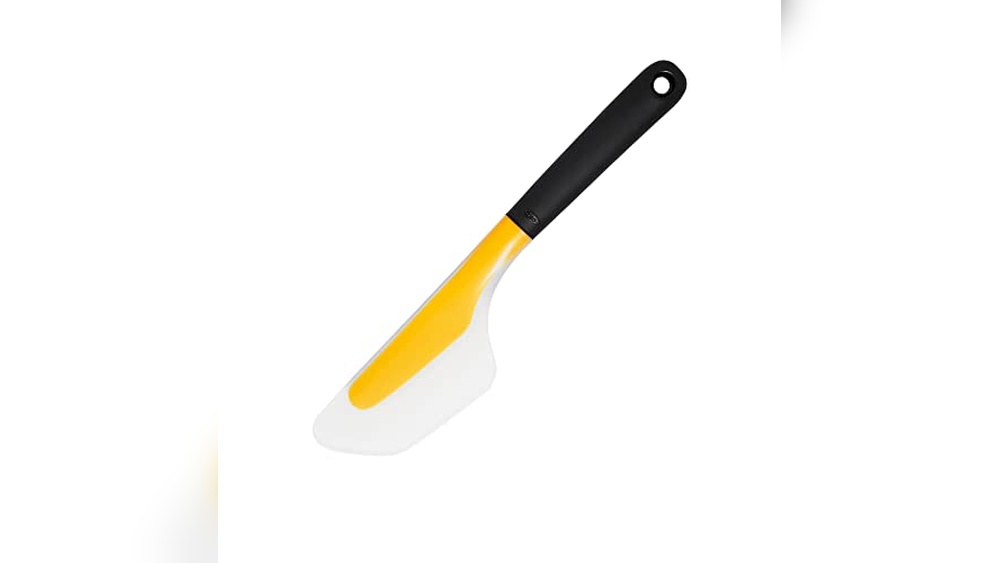
However, even these can cause some wear if used aggressively. The best choice is to opt for silicone or nylon utensils. These are specifically designed to be gentle on nonstick surfaces.
Always use a soft touch, even with the safest utensils.
Improper Cleaning Techniques
Cleaning your nonstick pans correctly is just as important as cooking with them. Many people reach for abrasive scrubbers or harsh detergents. These can strip away the nonstick coating over time.
Even if you don’t see visible scratches, the microscopic layer that provides the nonstick quality can be worn down. This makes the pan less effective and more prone to peeling.
The dishwasher can also be a hidden enemy of nonstick cookware. The high heat, harsh detergents, and forceful water jets can degrade the coating. Many manufacturers advise against putting nonstick pans in the dishwasher.
Hand washing with a soft sponge and mild dish soap is the best approach. Always let the pan cool down before washing it. Rapid temperature changes, like plunging a hot pan into cold water, can also stress the coating.
Overheating the Pan
As mentioned earlier, overheating is a significant cause of nonstick failure. Leaving an empty nonstick pan on high heat for too long can quickly damage the surface. The material can degrade, become brittle, and lose its nonstick properties.
This damage isn’t always visible as a scratch. Instead, it’s a chemical breakdown of the coating itself.
It’s important to use the right heat setting for your cooking. Nonstick pans usually perform best on medium heat. High heat should be reserved for brief searing and even then, with caution.
Always preheat your pan gently. Avoid preheating an empty pan on high heat for extended periods. Adding oil or food to the pan can help to dissipate heat more evenly and prevent hotspots.
The Science Behind the Peel: Microscopic Damage
The peeling of nonstick coatings, especially without visible scratches, is often due to damage happening at a microscopic level. This kind of damage is hard to see with the naked eye but has a profound impact on the coating’s integrity. It’s like a tiny crack in a wall that slowly grows bigger.
Micro-abrasions and Surface Stress
Even gentle wiping with a soft cloth can cause micro-abrasions over time. These are tiny scratches that are too small to notice. However, they disrupt the smooth surface of the nonstick coating.
Each micro-abrasion creates a point where the coating can start to weaken. Repeated exposure to heat and cooking can exacerbate these tiny imperfections.
Surface stress is another factor. When the coating is heated and cooled repeatedly, it expands and contracts. This constant expansion and contraction can create internal stress within the coating layers.
If the bond between the layers or between the coating and the pan is not perfect, these stresses can lead to tiny cracks. These cracks may not break through the entire coating, but they create areas where moisture or food particles can seep in, weakening the bond further and leading to peeling.
Chemical Degradation of the Coating
Beyond physical damage, chemical reactions can also break down the nonstick coating. High heat, as discussed, can cause PTFE to degrade. Certain acidic foods, when cooked at high temperatures for long periods, can also react with the coating.
These reactions can weaken the chemical bonds within the nonstick material. This weakening makes the coating more susceptible to flaking and peeling.
The presence of certain cleaning agents can also contribute to chemical degradation. Harsh chemicals can break down the polymer structure of the nonstick surface. This leaves it brittle and prone to failure.
It’s why using mild soap and water is so frequently recommended. The goal is to preserve the chemical integrity of the nonstick surface for as long as possible.
The Impact of Thermal Shock
Thermal shock occurs when a material is subjected to rapid and significant changes in temperature. For nonstick pans, this often happens when a hot pan is rinsed with cold water or placed in a sink full of cold water. This sudden cooling can cause the metal and the coating to contract unevenly.
This uneven contraction puts a lot of stress on the nonstick layer and its bond with the pan.
This stress can create tiny fissures or cracks that are not immediately visible. Over time, repeated thermal shock can cause these fissures to enlarge. They can penetrate deeper into the coating.
Eventually, pieces of the coating can lift away from the pan. This is a classic example of how damage can occur without any forceful scratching or impact.
Protecting Your Nonstick Cookware
Keeping your nonstick pans in good condition is all about gentle care and smart cooking practices. By avoiding common mistakes, you can ensure your pans remain reliable for a long time. It’s about making small adjustments that have a big impact.
Choosing the Right Cookware and Utensils
When buying nonstick cookware, look for reputable brands. Higher-quality pans often have more durable coatings and better bonding. The type of nonstick coating can also vary.
Some are more resistant to heat and scratches than others. Always check the manufacturer’s recommendations for use and care.
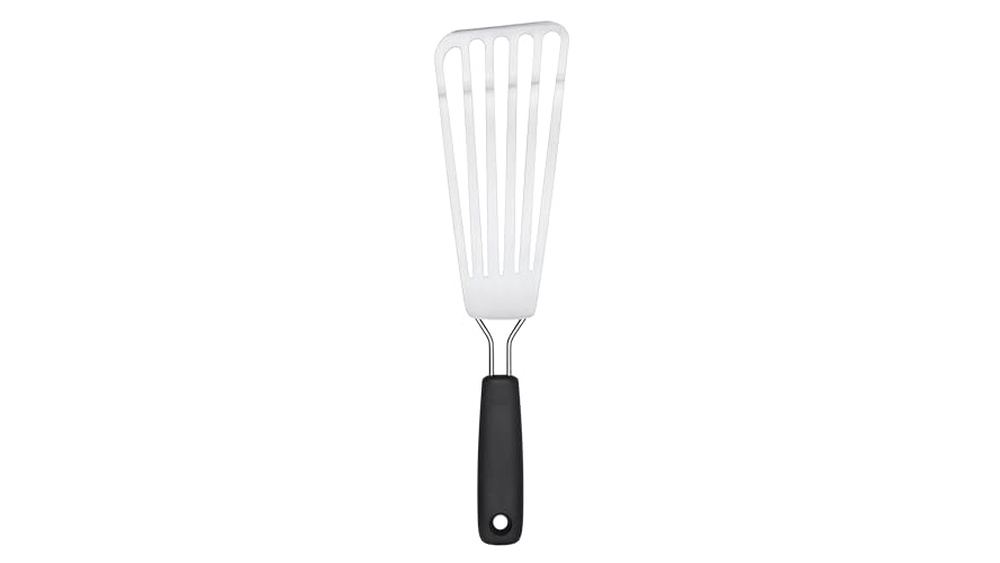
As mentioned, the utensils you use are critical. Always use silicone, nylon, or wooden utensils. Never use metal.
Even if you think you are being careful, metal can create imperceptible scratches that weaken the surface. Store your pans carefully to avoid scratching. If stacking them, use pan protectors or a soft towel between them to prevent damage from other cookware.
Smart Cooking and Heating Practices
Preheat your nonstick pan on low to medium heat. Avoid high heat settings unless absolutely necessary for a quick sear, and even then, use caution. Never leave an empty nonstick pan on a hot burner.
Always add oil or food to the pan to help distribute heat. Consider using oils with a higher smoke point, and avoid cooking sprays that can build up residue.
Let your pan cool down before washing. Avoid plunging a hot pan into cold water. This thermal shock can damage the coating.
Allow the pan to come to room temperature or close to it before proceeding to clean it. This gradual cooling process is much gentler on the nonstick surface.
Effective and Gentle Cleaning
Hand wash your nonstick pans with a soft sponge or cloth. Use mild dish soap. Avoid abrasive cleaners, scouring pads, or steel wool.
These will remove the nonstick coating. If food is stuck, try soaking the pan in warm, soapy water for a while. You can also gently simmer some water in the pan to loosen stuck-on bits.
If you must use the dishwasher, check if your pan is dishwasher safe. Even then, it’s best to hand wash if possible. If you do use the dishwasher, place the pan on the top rack to minimize exposure to heat and harsh detergents.
Regularly inspect your pan for any signs of wear, even if they are not visible scratches. This proactive approach will help you catch issues early.
Understanding Different Types of Nonstick Coatings
Not all nonstick coatings are created equal. Different materials and manufacturing processes result in varying levels of durability and performance. Understanding these differences can help you make informed choices about your cookware and how to care for it.
PTFE-Based Coatings (e.g., Teflon)
These are the most common types of nonstick coatings. PTFE (Polytetrafluoroethylene) is a synthetic fluoropolymer known for its excellent nonstick properties. Brands like Teflon have popularized this technology.
PTFE coatings are effective at releasing food and are generally easy to clean. However, they can be sensitive to high heat and abrasive cleaning methods.
The durability of PTFE coatings can vary depending on the quality of the product and how it’s manufactured. Some higher-end PTFE coatings incorporate ceramic particles or other reinforcements to improve their resistance to wear and tear. Despite these advancements, overheating is still a primary concern for PTFE-based nonstick surfaces.
When these coatings fail, it’s often a gradual degradation that leads to peeling without obvious scratches.
Ceramic Nonstick Coatings
Ceramic nonstick coatings are made from natural materials, typically derived from sand (silicon). They are often considered a more environmentally friendly alternative to PTFE. Ceramic coatings are known for their ability to withstand higher temperatures than traditional PTFE.
They are also often more resistant to scratching.
However, ceramic nonstick coatings can sometimes have a shorter lifespan than high-quality PTFE coatings. Their nonstick properties might degrade over time, or they can become less effective. The initial application and bonding of ceramic coatings can also influence their longevity.
While they might seem more robust, improper care can still lead to premature wear and peeling. They are often advertised as being free from PFOA and PTFE, which appeals to many consumers.
Hybrid Coatings
Some cookware manufacturers have developed hybrid nonstick systems. These often combine different materials to leverage the strengths of each. For example, a pan might have a base layer of PTFE with a harder, more scratch-resistant ceramic or titanium reinforcement on top.
These hybrids aim to provide the best of both worlds: excellent nonstick performance and increased durability.
The effectiveness of hybrid coatings depends heavily on the specific technology used by the manufacturer. The way the layers are bonded and the quality of the materials are key factors. These coatings can offer improved resistance to everyday wear and tear.
However, they are still susceptible to damage from extreme heat and improper cleaning. The underlying principles of gentle care still apply to ensure their longevity.
Case Study: The Accidental Pan Ruiner
Meet Sarah, a busy professional who loves to cook but is often in a hurry. She recently bought a new set of nonstick pans, excited about easy cleanup. For the first few weeks, everything was perfect.
Then, she started noticing her eggs sticking more than they used to.
Sarah looked at her pans and saw no deep scratches. She couldn’t figure out why the nonstick was failing. What she didn’t realize were the small habits she had picked up.
She often preheated her pan on high heat while she chopped vegetables, sometimes leaving it unattended for a few minutes. She also used a metal spatula once or twice when she couldn’t find her preferred utensil.
After cleaning, she sometimes let the hot pan sit under cold running water. These actions, individually small, collectively damaged the delicate nonstick surface. The high heat weakened the coating, the metal spatula caused microscopic abrasions, and the thermal shock created tiny fissures.
Within a few months, the peeling became more noticeable, and the pans were no longer truly nonstick. Sarah’s experience highlights how subtle changes in routine can lead to the premature demise of nonstick cookware, even without visible scratches.
Frequently Asked Questions of Why Nonstick Coatings Peel Without Visible Scratches
Why do my nonstick pans peel even if I don’t scratch them?
Nonstick coatings can peel due to factors like overheating, thermal shock (sudden temperature changes), chemical degradation from harsh cleaners or acidic foods at high heat, and microscopic wear from improper utensils or cleaning over time. These issues break down the coating from within or weaken its bond to the pan, leading to peeling without visible deep scratches.
Is it safe to cook with a nonstick pan that is starting to peel?
It is generally not recommended to cook with a nonstick pan that is peeling. Small flakes of the coating can get into your food. While most modern nonstick coatings are considered safe in small amounts, prolonged exposure is best avoided.
How can I prevent my nonstick pans from peeling?
To prevent peeling, always use low to medium heat, avoid overheating an empty pan, use silicone or nylon utensils, hand wash with mild soap and a soft sponge, and avoid drastic temperature changes (like plunging a hot pan into cold water). Also, avoid cooking sprays that can build up residue.
Are ceramic nonstick pans more durable than PTFE?
Ceramic nonstick pans are often more resistant to high heat and scratching than traditional PTFE coatings. However, their nonstick properties might degrade more quickly over time. Both types of coatings require careful handling and proper cleaning to ensure longevity.
Final Thoughts
It’s clear that the peeling of nonstick coatings without obvious scratches isn’t a mystery, but rather a result of several factors working together. We’ve seen how things like excessive heat can break down the very structure of the nonstick surface. This can happen even if you’re not intentionally trying to damage it.
The materials used in these coatings are amazing for cooking, but they have their limits. When these limits are pushed, through high temperatures or rapid cooling, the coating can become brittle or weaken its connection to the pan. This leads to flaking and peeling that doesn’t require a deep gouge to start.
Your cooking tools and cleaning habits play a huge role too. Using metal utensils, even if you think you’re being gentle, can cause tiny, invisible damages that add up. Similarly, abrasive cleaners and aggressive scrubbing can wear away the essential nonstick layer.
Even the simple act of washing a hot pan under cold water can put stress on the coating. All these seemingly small issues contribute to the gradual failure of the nonstick surface. The key is to be mindful of how you use and care for your pans every day.
By choosing the right utensils, controlling your heat, and cleaning gently, you can significantly extend the life of your nonstick cookware and keep it performing well for a much longer time.