
Pans lose their ability to heat evenly over long use because repeated high heat causes warping and weakens the internal metal layers. Wear, overheating, and rapid temperature changes disrupt heat distribution across the cooking surface.
Many home cooks wonder Why Pans Lose Heat Evenly After Long Use. It seems a bit confusing when your favorite skillet still cooks so well after years of service. Beginners often find this topic tricky because there are so many different materials and ways pans are made.
Don’t worry, though! We’ll break it down step-by-step so it’s easy to get. Next, we’ll look at what makes this happen and how you can keep your pans in top shape.
Key Takeaways
- The material your pan is made from plays a huge role in how it heats up.
- How a pan’s heat spreads is often about its structure and the metals used.
- Even after many uses, well-made pans can keep heating consistently.
- Things like induction heating and even distribution are key to why pans perform well over time.
- You can do a few simple things to help your pans heat evenly for longer.
Understanding Pan Materials and Heat
The main reason pans heat up the way they do, and why they continue to do so evenly after a lot of use, comes down to the materials they are made from and how those materials are put together. Different metals are really good at absorbing and spreading heat, but they do it in their own ways. Think of it like different kinds of sponges soaking up water; some hold more, and some spread it out faster.
Metal Conductivity: How Heat Travels
Metals have a property called conductivity, which is basically how well they let heat move through them. Some metals, like copper and aluminum, are excellent conductors. This means they grab heat quickly and move it all around the pan’s surface.
Other metals, like iron, are good conductors but also hold onto heat for a long time. This slow release can be very useful for certain cooking tasks.
When a pan is made, the type of metal is chosen for how it handles heat. A pan with good thermal conductivity will heat up fast, which is great for quick cooking. A pan that retains heat well will stay hot for longer, which is perfect for searing or keeping food warm.
The way these metals are combined and layered in a pan makes a big difference in how evenly heat is spread.
Alloy Compositions: More Than Just One Metal
Many modern pans aren’t made from just one single metal. They are often made from alloys, which are mixtures of metals. For example, stainless steel is a mix of iron, chromium, and nickel.
Each metal in the alloy brings something different to the table. The chromium helps prevent rust, while nickel can make it shinier and more durable. The iron is the main part that conducts heat.
Manufacturers carefully select these alloys to get the best of different worlds. They might mix a highly conductive metal like aluminum with a strong, durable metal like stainless steel. This creates a pan that heats up quickly and evenly but is also tough enough to last for years.
The specific ratios of metals in the alloy directly influence how the pan will perform in terms of heat distribution and longevity.
Even after repeated heating and cooling cycles, which happen every time you cook, these alloys tend to maintain their structure and their heat-conducting properties. This is a big reason why pans can keep losing heat evenly even after long use.
Core Materials: The Heart of Heat Distribution
Beyond the outer layers, many high-quality pans have a core material that’s specifically designed for heat. This core is often made of aluminum or copper, sandwiched between layers of stainless steel. The inner core is where the magic of even heat happens.
Aluminum and copper are chosen for their superior ability to spread heat quickly and uniformly. When you place a pan with an aluminum or copper core on a heat source, the heat travels rapidly through the core material. This ensures that hot spots, where the pan gets much hotter in one area than another, are minimized.
The outer stainless steel layers protect the core and provide durability and a non-reactive cooking surface.
This layered construction means that the core material is protected from direct damage and wear. It’s the core that’s primarily responsible for the even heat distribution that users notice. So, even as the outer layers might show some signs of age, the core continues to do its job of spreading heat evenly.
How Pans Distribute Heat: The Science Behind It
The way heat moves across a pan’s surface is a fascinating science. It’s not just about getting hot; it’s about how that heat is shared. This distribution is key to consistent cooking results, preventing some parts of your food from burning while others remain undercooked.
The design of the pan, the materials used, and even how you use it all contribute to this process.
Thermal Convection and Conduction
Two main ways heat moves are conduction and convection. Conduction is when heat moves directly from one molecule to another, like when you touch a hot stove. In a pan, this is how heat travels from the burner up through the metal base and then across the surface.
Convection is how heat is moved by the flow of fluids, like water or air. In cooking, it’s how hot air circulates around food or how hot oil spreads heat within a pan.
For pans, conduction is the most important factor for spreading heat across the cooking surface. A pan with good conductivity allows heat to move quickly from the hottest point (directly over the flame or element) to cooler areas. This efficient transfer is what prevents localized hot spots and leads to even cooking.
If a pan material has low conductivity, heat will stay concentrated where it’s applied, leading to uneven results.
The structure of the pan also plays a role. A thicker base and sides can help to absorb and hold heat better, allowing it to be conducted more evenly. Thin pans often have more pronounced hot spots because heat doesn’t have as much material to travel through and spread out.
Base Thickness and Design
The thickness of a pan’s base is one of the most critical factors in how it distributes heat. A thicker base acts like a heat buffer. It absorbs more heat energy and spreads it out more gradually and uniformly across the entire bottom surface of the pan.
Imagine trying to spread a small amount of paint thinly versus spreading a larger puddle – the larger puddle is easier to spread evenly.
Pan manufacturers pay close attention to base thickness, especially for materials like stainless steel. Often, a thick aluminum or copper core is sandwiched between two layers of stainless steel to achieve optimal heat conductivity and retention without making the pan excessively heavy. This layered construction is designed to be very effective at minimizing hot spots.
The design of the base also matters. A flat, smooth base makes full contact with the heat source, whether it’s a gas burner, an electric coil, or an induction cooktop. Any gaps or warping in the base can create areas where heat transfer is less efficient, leading to uneven cooking.
That’s why sturdy, well-made pans maintain their flat bases over time.
Impact of Induction Cooking
Induction cooktops work differently from gas or electric ones. They use electromagnetic fields to directly heat the pan itself, rather than heating a burner that then heats the pan. This method is incredibly efficient and allows for very precise temperature control.
For induction to work, a pan must have magnetic properties. This is why many stainless steel and cast iron pans are ideal for induction. However, for even heating, the pan still needs good thermal conductivity.
Many induction-compatible pans combine a magnetic stainless steel exterior with an aluminum or copper core. This core is what ensures the heat generated by the magnetic field is spread evenly across the pan’s surface.
The rapid and direct heating of induction can quickly reveal flaws in a pan’s heat distribution. A pan that isn’t well-made will show very distinct hot spots on an induction cooktop. Pans that perform well on induction have been engineered for excellent thermal transfer, a quality that persists over time.
A study by Consumer Reports found that induction cooktops could heat food up to 50% faster than electric ones, but this speed also depended heavily on the pan’s ability to conduct heat evenly. Pans with thicker, well-constructed bases performed best.
Why Durability Leads to Even Heating Over Time
When we talk about pans losing heat evenly after long use, we’re really talking about their durability. A pan that’s built to last is usually one that’s designed with heat distribution in mind from the start. The quality of the materials and the way the pan is constructed are the main reasons why a well-loved skillet can still perform beautifully for years.
Material Resilience and Thermal Stability
High-quality pan materials are chosen not just for their cooking properties but also for their ability to withstand repeated heating and cooling without degrading. Metals like good-grade stainless steel, cast iron, and certain aluminum alloys are very stable. This means they don’t easily warp, crack, or lose their ability to conduct heat when exposed to high temperatures.
Even with thousands of cooking cycles, the molecular structure of these materials remains largely intact. They continue to absorb and release heat in a predictable and consistent manner. Contrast this with cheaper pans that might have thin bases or lower-quality metals; these can warp easily, creating an uneven surface that hinders heat distribution and can lead to hot spots over time.
The thermal stability of these metals is what allows them to maintain their shape and integrity. This is particularly important for pans that are used for high-heat cooking like searing or stir-frying. A pan that can handle intense heat without distorting will continue to provide even heating for a very long time.
Manufacturing Techniques: Bonding and Construction
The way different layers of metal are joined together in a pan is crucial for its long-term performance. Techniques like“disk-bottom” construction, where a separate disk of aluminum or copper is mechanically attached or bonded to the stainless steel base, are common. High-quality manufacturers use strong bonding methods that ensure the layers stay together and conduct heat efficiently.
Another advanced method is “clad” construction. This involves layering sheets of different metals (like stainless steel and aluminum) and then bonding them together under immense pressure and heat. This creates a single, solid piece of metal that’s incredibly strong and promotes excellent heat transfer throughout the entire pan.
This integral construction is far more durable and less prone to separation than mechanical attachment.
These sophisticated manufacturing processes ensure that the different materials work together seamlessly. The heat-conducting core is always in direct contact with the outer layers, allowing for consistent heat flow. This fusion of materials is what makes a pan durable and ensures its heat-distributing capabilities don’t diminish with age.
The Role of Seasoning (for Cast Iron)
For cast iron pans, the process of “seasoning” plays a vital role in both performance and longevity. Seasoning isn’t about adding extra salt and pepper; it’s about creating a natural, non-stick surface by baking layers of oil onto the metal. This process polymerizes the oil, creating a hard, smooth coating.
This seasoned layer does more than just make the pan non-stick. It also helps to fill in any microscopic pores in the cast iron surface. A smoother surface allows heat to be distributed more evenly.
Over time, as you continue to cook with and re-season your cast iron pan, this layer becomes more robust and more effective at promoting even heat spread.
A well-seasoned cast iron pan becomes a fantastic heat conductor. The cast iron itself holds heat extremely well, and the seasoning ensures that this heat is applied uniformly across the cooking surface. This is why old, well-maintained cast iron pans are legendary for their consistent performance.
A real-life example: A family heirloom cast iron skillet, passed down through generations, is often still the go-to pan for many home cooks. Despite decades of use, its seasoned surface and the inherent properties of cast iron allow it to cook evenly and reliably. This is a testament to the durability of the material and the effectiveness of proper care.
Maintaining Your Pans for Optimal Heat Distribution
Even the best-made pans can eventually see a decline in their performance if they aren’t cared for properly. Simple maintenance practices can significantly extend the life of your pans and ensure they continue to heat evenly for years. It’s not complicated, and a little effort goes a long way in keeping your favorite cookware in prime condition.
Proper Cleaning Techniques
How you clean your pans makes a big difference. For most stainless steel and non-stick pans, avoiding abrasive scrubbers and harsh detergents is key. These can scratch the surface or wear away protective coatings, which can affect how heat is distributed.
A soft sponge or cloth with mild dish soap is usually sufficient.
For cast iron, the approach is different. You typically want to avoid soap altogether, as it can strip away the seasoning. Instead, use hot water and a stiff brush or scraper to remove food residue.
Always dry cast iron thoroughly immediately after washing to prevent rust.
Allowing pans to cool down before washing can also prevent thermal shock, which is a rapid temperature change that can cause some materials, especially glass or ceramic components, to crack. For pans with bonded bases, a sudden plunge into cold water might, over time, stress the bond between layers.
Storage That Prevents Damage
The way you store your pans is another important aspect of their care. Stacking pans directly on top of each other without protection can lead to scratches and dents on the cooking surfaces and bases. This damage can not only be unsightly but can also compromise the pan’s ability to heat evenly.
Using pan protectors, like felt pads or cloths, between stacked pans is a simple yet effective solution. Hanging pans on a pot rack is another excellent way to prevent them from touching each other and to allow them to air out. This also keeps them easily accessible.
For cast iron, ensuring they are completely dry before storing is crucial. Moisture can lead to rust, which can pit the surface and affect its cooking performance. Storing them in a dry cabinet or cupboard is best.
Periodic Re-seasoning and Re-oiling
As mentioned earlier, cast iron pans benefit greatly from periodic re-seasoning. If you notice food starting to stick more than usual, or if the pan looks dull, it might be time for a refresh. This involves applying a thin layer of oil and baking the pan at a high temperature.
For other types of pans, especially those with non-stick coatings, avoiding overheating is important. High heat can degrade the non-stick surface over time, making it less effective and potentially affecting heat distribution. Using appropriate heat levels for your cooking needs will help maintain the integrity of the pan’s surface and its ability to heat evenly.
Some manufacturers recommend occasional re-oiling for certain types of aluminum or stainless steel pans, especially if they are exposed to harsh cleaning agents or very high heat regularly. This can help maintain a smooth surface and prevent oxidation.
Frequently Asked Questions Why Pans Lose Heat Evenly After Long Use
Do all pans lose heat evenly after long use?
Not all pans are created equal. While high-quality pans made with durable materials and excellent construction are designed to maintain even heat distribution over time, cheaper or poorly made pans may warp or degrade, leading to uneven heating even when they are relatively new.
How can I tell if my pan is losing its ability to heat evenly?
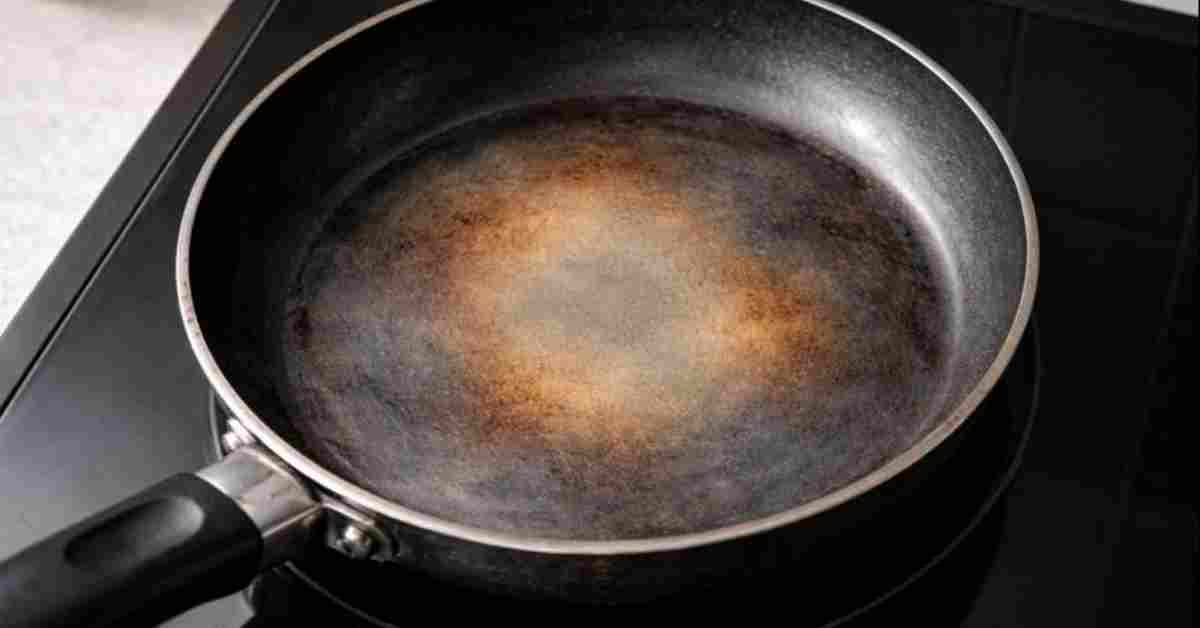
You might notice food cooking unevenly, with some areas burning while others are undercooked. You may also see visible warping on the base of the pan, or the surface might look dull or discolored in certain spots. For non-stick pans, food might start sticking more than usual.
Is it better to buy one expensive pan or several cheaper ones?
Generally, investing in one or two high-quality, durable pans is a better long-term strategy than buying many inexpensive ones. The durable pans will likely maintain their performance for much longer and provide a more consistent cooking experience, saving you money and frustration over time.
Final Thoughts
The consistent performance of your cooking pans, even after years of service, comes down to a blend of smart material choices, solid construction, and a bit of regular care. When pans lose heat evenly after long use, it’s usually because they were built with durable metals like stainless steel, cast iron, or aluminum alloys that resist warping and degradation. The way these metals are layered and bonded together, often with a heat-conducting core, ensures that heat spreads out effectively and stays distributed, preventing those frustrating hot spots that can ruin a meal.
Think about the pan’s base; a thicker, well-made base is like a stable platform for heat, allowing it to move smoothly across the entire cooking surface. Even with all the heating and cooling cycles, these well-constructed pans maintain their structural integrity. And for cast iron lovers, the magic of seasoning builds a natural, smooth surface that further enhances even heating over time.
To keep your own pans performing at their best, remember that cleaning them gently, storing them carefully to avoid dents or scratches, and giving them occasional maintenance like re-seasoning cast iron makes a big difference. By understanding what makes a pan heat well and treating it right, you can enjoy consistently delicious results from your cookware for a very long time. Keep cooking and enjoying the process!