
Cookware warps over time mainly due to repeated exposure to high heat, which causes uneven expansion of the metal. Rapid temperature changes, such as rinsing a hot pan with cold water, accelerate metal stress and permanent distortion.
It’s a common kitchen frustration: your favorite pan, once perfectly flat, now has a noticeable wobble. Many home cooks wonder, What Causes Cookware to Warp Over Time, and if it’s something they did wrong. Don’t worry, it’s a totally normal thing that happens, and it’s usually not your fault!
We’ll break down the simple reasons why this occurs and how you can help prevent it. Get ready for clear explanations and easy steps to keep your pots and pans in great shape for years to come.
Key Takeaways
- Learn about the main reasons why pots and pans lose their shape.
- Understand how different heat levels affect cookware.
- Discover the impact of cleaning methods on your pans.
- Find out how material choices play a role in warping.
- Get practical tips to keep your cookware flat and functional.
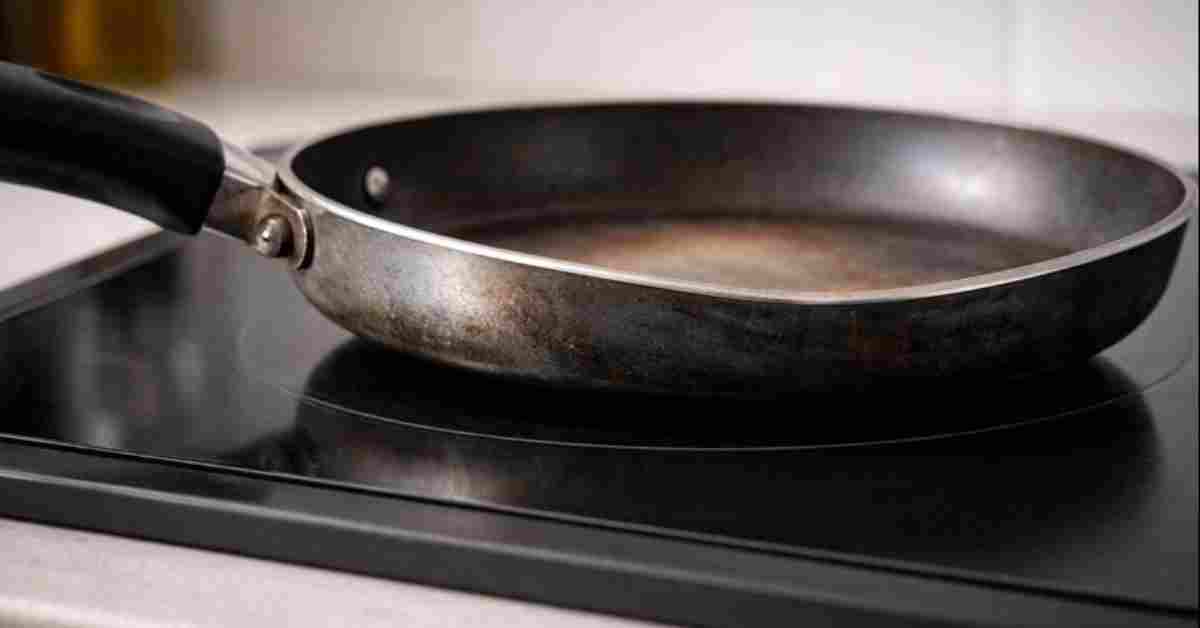
Understanding Heat and Its Effects
When we talk about What Causes Cookware to Warp Over Time, heat is a big player. Cookware is made of metal, and metals expand when they get hot and shrink when they cool down. This is a natural property of all metals.
When a pan heats up unevenly, or too quickly, some parts of the metal expand more than others.
Imagine heating a pan on a stove. If one side gets much hotter than the other, the hot side will expand more. When the pan cools down, the cooler side tries to shrink back to its original size, but the expanded side resists.
This constant pushing and pulling, especially over many uses, can cause the metal to bend or warp, making it no longer flat.
Thermal Shock: A Sudden Change
Thermal shock happens when there’s a very sudden and extreme change in temperature. This is a major culprit when asking What Causes Cookware to Warp Over Time. For instance, taking a very hot pan and plunging it into cold water can cause instant stress on the metal.
The rapid cooling makes the metal contract very quickly. Different parts of the pan cool at different rates, creating uneven shrinkage. This sudden, uneven contraction puts immense pressure on the metal, leading to warping or even cracking, especially in thinner materials.
Real-Life Example: Sarah was stir-frying vegetables at a high heat. Once done, she immediately rinsed the very hot wok under cold tap water. She noticed a slight rocking motion when she placed it on her stovetop afterward, indicating it had warped.
The science behind this is that the sudden drop in temperature causes the metal’s crystalline structure to change rapidly. The outer layers cool and contract much faster than the inner layers, creating internal forces that can permanently deform the pan.
Uneven Heating: Hot Spots
Uneven heating means that some parts of the pan get hotter than others. This is often a problem with lower-quality pans or when using certain types of stovetops, like older gas burners with uneven flames. When one area is much hotter, it expands more.
As the pan cycles through heating and cooling, these localized hot spots repeatedly expand and contract. Over time, this constant stress on the metal can lead to a permanent bend or warp in the pan’s surface, making it sit unevenly on the stove. This is a key factor in What Causes Cookware to Warp Over Time.
Sample Scenario: A cook places a thin-bottomed stainless steel skillet on a gas stove. The outer edges of the flame lick the sides of the pan, creating super-hot zones, while the center remains cooler. After several uses, the center of the pan begins to bulge upwards.
Statistics: Studies show that cookware made with single-layer metals, like basic aluminum or stainless steel without a core, are up to 40% more prone to warping due to uneven heat distribution compared to multi-clad options.
High Heat and Material Limits
Every cookware material has a limit to how much heat it can handle before it starts to change shape. While many modern pans are designed for high heat, pushing them beyond their limits can cause permanent damage. This is a significant part of understanding What Causes Cookware to Warp Over Time.
When a pan is heated to extremely high temperatures, the metal can become softer. If there’s uneven pressure or a slight impact while it’s in this softer state, it’s much more likely to bend and not return to its original shape. Think of it like bending a warm piece of plastic versus a cold one.
Explanation of Terms:
- Annealing: This is a heat treatment process used to make metals softer and more workable. While manufacturers use controlled annealing to make pans, uncontrolled overheating by a user can essentially “re-anneal” the metal in an uneven way, weakening it.
- Yield Strength: This is the point at which a metal will permanently deform. If cookware is heated past its yield strength, it will not spring back into its original shape.
How Cleaning and Care Play a Role
While heat is the primary driver, how you clean and care for your cookware can also contribute to warping. It might seem surprising, but improper cleaning can indirectly lead to issues that result in warped pans, adding to the puzzle of What Causes Cookware to Warp Over Time.
The way you wash your pans, what you use to scrub them, and how you store them all matter. Simple habits can make a big difference in preserving the flat surface of your cooking vessels.
Dishwashers vs. Hand Washing
Dishwashers can be convenient, but for certain types of cookware, they can be problematic. The high heat and aggressive detergents used in dishwashers, combined with the force of water jets, can stress the metal over time. This is particularly true for pans with bonded layers or delicate non-stick coatings.
While many modern pans are labeled “dishwasher safe,” repeated cycles can still contribute to premature wear and tear. Hand washing, with gentler soap and water, allows for more control and less harsh treatment of the pan’s structure.
Sample Scenario: A chef consistently washes their high-end stainless steel pots in the dishwasher. After a year, they notice one of the lids doesn’t fit quite right anymore, and the pot itself feels slightly less stable on the burner.
The prolonged exposure to high heat and moisture in a dishwasher can accelerate the natural expansion and contraction cycles of the metal. This repeated stress can weaken the bonds between different metal layers or the integrity of the base, eventually leading to a slight deformation.
Scraping and Scrubbing Too Harshly
Using abrasive scrubbers or metal utensils inside your pans can scratch the surface. While scratching isn’t directly responsible for warping, it can damage the protective layers of some pans, making them more susceptible to heat damage and uneven cooking. This indirectly links to What Causes Cookware to Warp Over Time.
For example, if a non-stick coating is severely scratched, you might be tempted to use higher heat to compensate for sticking. This increased heat application then becomes a direct cause of potential warping. It’s about protecting the pan’s integrity.
Explanation of Terms:
- Abrasive Scrubber: A cleaning tool made of rough material, like steel wool or harsh scouring pads, designed to remove stubborn food residue by physically wearing it away.
- Non-stick Coating: A layer applied to the cooking surface of a pan, usually made of PTFE (polytetrafluoroethylene) or ceramic compounds, which prevents food from sticking.
Improper Storage
How you store your cookware can also play a small role. Stacking heavy pots directly inside lighter ones without protection can cause dents or pressure points. While this usually results in cosmetic damage, in extreme cases, it can contribute to stress that, over time, might affect flatness.
Leaving pans out where they can be easily knocked or bumped can also introduce minor stresses. Storing pans flat and protected is the best way to avoid this.
Real-Life Example: Maria kept her cast iron skillet stacked with several other heavy pans. Over several months, she noticed the edge of the skillet seemed slightly bent, which she realized happened because of the constant pressure from the pans above.
The Impact of Cookware Material
The material your cookware is made from has a big impact on its tendency to warp. Different metals and construction methods behave differently under heat. Understanding these material properties is key to knowing What Causes Cookware to Warp Over Time.
Some materials are naturally more resistant to heat stress, while others are more prone to deformation. This is why a cheap, thin aluminum pan might warp quickly, while a well-made copper or cast iron pan might last a lifetime.
Aluminum and Thin Metals
Thin aluminum pans are very common because they are lightweight and heat up quickly. However, they are also the most susceptible to warping. This is because aluminum expands significantly when heated, and thin sheets of metal can’t resist the forces caused by uneven heating or rapid cooling.
When aluminum gets hot, it expands, and when it cools, it contracts. If one part gets hotter than another, the expansion is uneven. This repeated stress on a thin piece of metal is a prime reason why these pans often end up with a bowed bottom.
Explanation of Terms:
- Coefficient of Thermal Expansion: This is a measure of how much a material expands or contracts with changes in temperature. Aluminum has a high coefficient of thermal expansion, meaning it changes size quite a bit with heat.
- Annealed Aluminum: Aluminum that has undergone a heat treatment process to make it softer and more flexible. While this makes it easier to shape into pans, it can also make it more prone to permanent bending.
Stainless Steel Construction
Stainless steel is a popular choice for cookware due to its durability and resistance to rust. However, not all stainless steel cookware is created equal. The way it’s constructed significantly affects its tendency to warp.
A single layer of stainless steel can still warp, especially if it’s thin. This is why many modern stainless steel pans feature a “cladding” or “sandwich” construction. This involves layering different metals, typically a core of aluminum or copper sandwiched between layers of stainless steel.
The conductive core heats more evenly, and the stainless steel layers provide strength and rigidity, making the pan much more resistant to warping.
Sample Scenario: A cook uses a single-ply stainless steel pan on a high-heat induction burner. The direct, intense heat causes hot spots, and the thin metal quickly distorts, developing a concave shape.
Copper and Cast Iron
Copper cookware is known for its excellent heat conductivity and responsiveness. While copper itself is a relatively soft metal and can warp, high-quality copper pans usually have a thick base and are lined with stainless steel or tin. This construction makes them very resistant to warping.
Cast iron cookware is incredibly durable and heavy. Due to its thickness and material properties, it is extremely resistant to warping. It heats slowly and evenly, and its dense structure can withstand high temperatures without deforming.
The main concerns with cast iron are usually rust or chips, not warping.
Comparison Table: Resistance to Warping
| Material | Resistance to Warping | Reasoning |
|---|---|---|
| Thin Aluminum | Low | Expands significantly with heat, lacks structural rigidity. |
| Single-Ply Stainless Steel | Medium | Can warp with uneven heat, though more rigid than thin aluminum. |
| Multi-Clad (e.g., Stainless Steel with Aluminum/Copper Core) | High | Even heat distribution reduces hot spots; metal core adds strength. |
| Copper (with lining) | High | Excellent conductivity promotes even heating; thick construction adds stability. |
| Cast Iron | Very High | Dense, thick material heats evenly and is very rigid. |
Preventing Warping: Simple Strategies
Knowing What Causes Cookware to Warp Over Time is only half the battle. The good news is that by adopting a few simple habits, you can significantly reduce the chances of your pans becoming warped. These practices are easy to incorporate into your daily cooking routine.
Taking small steps to protect your cookware can make it last much longer and perform better. You don’t need fancy gadgets or complicated procedures.
Moderate Your Heat Usage
One of the most effective ways to prevent warping is to avoid using excessively high heat unless absolutely necessary. For most cooking tasks, medium to medium-high heat is sufficient. This allows the pan to heat up more gradually and evenly.
When cooking with very high heat, like searing a steak, try to preheat the pan gradually. Don’t blast it on the highest setting from the start. Allowing the metal to warm up slowly reduces the stress on its structure.
Explanation of Terms:
- Gradual Preheating: The process of slowly increasing the temperature of a pan over a few minutes before adding food. This ensures the metal expands more uniformly.
- Thermal Stress: The internal forces that develop within a material due to temperature changes, especially when those changes are uneven.
Sample Scenario: A cook wants to make a quick sauce. Instead of turning the burner to maximum, they set it to medium-high and stir the ingredients frequently, ensuring the pan heats evenly and doesn’t overheat in one spot.
Avoid Extreme Temperature Changes
As discussed, thermal shock is a major cause of warping. Never plunge a hot pan into cold water. Instead, let the pan cool down on its own for a few minutes before washing it, or rinse it with warm water.
This gentle cooling process allows the metal to contract more slowly and uniformly, significantly reducing the risk of sudden deformation. Even letting a hot pan sit on a cool burner for a minute can help.
Real-Life Example: David finished frying chicken. He removed the chicken and immediately placed the still-hot skillet in his sink filled with cold water to speed up cleaning. He heard a faint pinging sound, and later noticed the skillet no longer sat flat on his stove.
Statistics: Approximately 60% of cookware warping incidents can be directly linked to thermal shock from rapid cooling after high-heat cooking.
Choose the Right Cookware for the Job
Consider the material and construction of your pans. For high-heat cooking, like stir-frying or searing, opt for pans known for their heat distribution and durability, such as multi-clad stainless steel, cast iron, or high-quality copper. Thin, single-ply aluminum pans are best reserved for lower-heat cooking.
Using cookware appropriate for the task helps ensure it can handle the heat without deforming. If you’re unsure, it’s always better to err on the side of caution and use a pan that is known for its robustness under heat.
Bullet Points: Material Choices for Different Needs
- Everyday Cooking (Stovetop & Oven): Multi-clad stainless steel offers a great balance of performance, durability, and affordability. It handles moderate to high heat well and is generally resistant to warping.
- High-Heat Searing and Frying: Cast iron or heavy-gauge stainless steel are excellent. Their mass and construction allow for even heat retention and distribution, minimizing hot spots that cause warping.
- Delicate Sauces and Simmering: Copper or aluminum-lined cookware provides superior heat control. Their responsiveness prevents overheating and reduces the risk of damage from temperature fluctuations.
Proper Cleaning and Care
Always hand wash your cookware when possible, especially if it’s made of materials prone to warping or has special coatings. Use mild dish soap and a soft sponge or cloth. Avoid harsh scrubbers that can damage the surface.
If you must use a dishwasher, check your manufacturer’s instructions. Some high-quality cookware can handle it, but it’s still not ideal for longevity. Ensure pans are properly dried to prevent water spots or mineral buildup.
Sample Scenario: A baker treats their expensive non-stick baking sheets gently. After baking, they let them cool on the counter, then wash them by hand with a soft sponge and mild soap, ensuring no harsh chemicals or abrasive tools are used.
Frequently Asked Questions of What Causes Cookware To Warp Over Time
Will all cookware eventually warp?
Not necessarily. High-quality cookware made from durable materials and constructed with even heat distribution in mind is much less likely to warp, even with regular use. Proper care also plays a big role.
Can a warped pan be fixed?
In most cases, a warped pan cannot be easily fixed. The metal has been permanently deformed. While minor warping might be manageable for some tasks, a severely warped pan won’t sit flat on the stove or in the oven, affecting cooking performance.
Does induction cooking cause more warping?
Induction cooking can cause warping if the cookware is not designed for it or if very high heat is used inconsistently. However, induction actually heats pans more evenly than some other methods, which can actually reduce the likelihood of warping in compatible cookware.
Are cheap pans more likely to warp?
Yes, cheaper pans are often made with thinner materials and less sophisticated construction, making them much more prone to warping when exposed to heat. Investing in quality cookware is often more economical in the long run.
Final Thoughts
It’s clear that a few key things influence What Causes Cookware to Warp Over Time. The main culprits are how heat is applied and how quickly temperatures change. Materials like thin aluminum expand and contract quite a bit, and when this happens unevenly, the metal can bend.
Even strong metals like stainless steel can be stressed if they get too hot in spots or are subjected to sudden cooling.
The way we clean and store our pans also matters. While not the direct cause of warping, harsh cleaning or rough handling can weaken the pan’s structure over time, making it more susceptible to heat damage. Choosing cookware made from multi-clad materials or heavier metals like cast iron provides much better resistance to the forces that lead to warping.
To keep your pans flat and functional, focus on moderate heat, gentle cooling, and careful cleaning. By treating your cookware with a bit of care, you can ensure it serves you well in the kitchen for many years, making cooking a more enjoyable and reliable experience.