
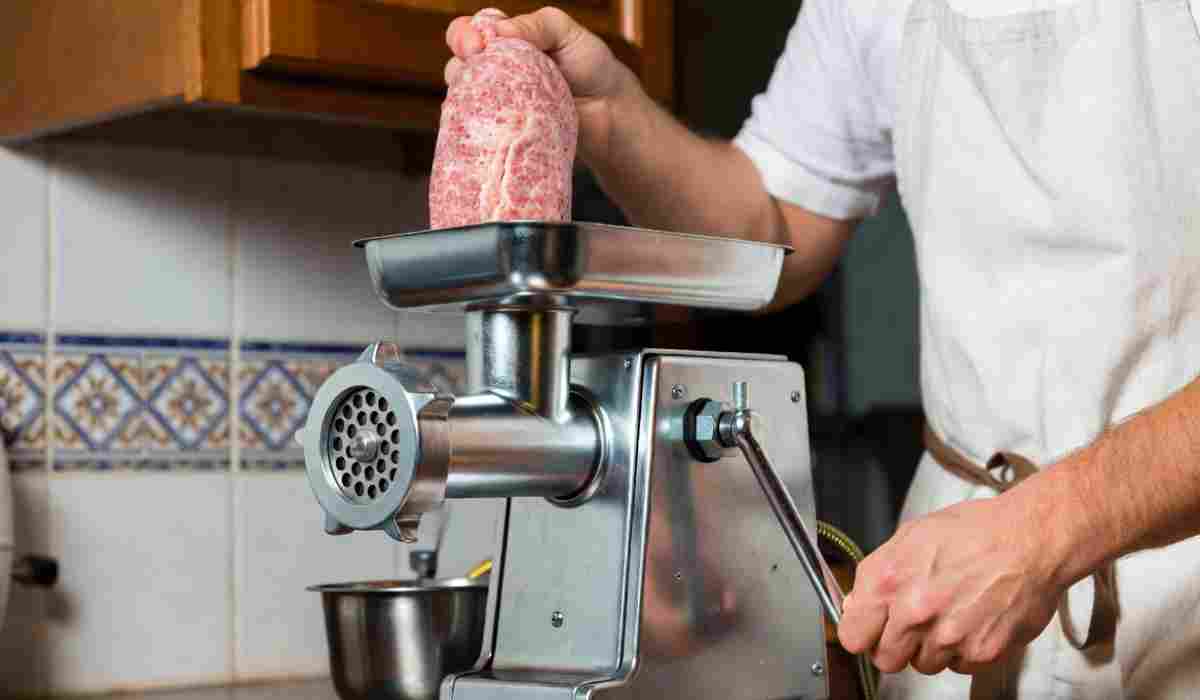

Thinking about making your own sausage or ground beef? Sometimes, figuring out how to use a meat grinder can seem a bit tricky at first. You might worry about getting it all set up or cleaning it afterward.
Don’t let that stop you! We’ll walk through everything you need to know, step by step. It’s much easier than you think, and soon you’ll be grinding away.
Key Takeaways
- You will learn how to safely set up your meat grinder.
- The post will explain how to prepare your meat for grinding.
- You will discover the best ways to grind meat effectively.
- Simple cleaning and maintenance tips will be provided.
- You’ll gain confidence in using your meat grinder.
Understanding Your Meat Grinder
Getting started with a meat grinder is simpler than it looks. Most home meat grinders work on the same basic principles, whether they are electric or manual. The main goal is to push meat through a spinning blade and a perforated plate, breaking it down into smaller pieces. Knowing the parts of your grinder will make using it much easier.
Common Parts of a Meat Grinder
Every meat grinder has a few key parts that do the work. Recognizing these will help you understand how to put it all together.
The Hopper or Feed Tray
This is where you put the meat. It’s usually at the top of the grinder.
The Auger or Worm Screw
This part spins and pushes the meat towards the blade.
The Cutting Blade
This sharp blade spins against the plate to cut the meat.
The Grinding Plate
This plate has holes of different sizes. It determines how fine or coarse your ground meat will be. You can swap these plates for different textures.
The Housing or Barrel
This is where the auger and blade sit.
The Stuffer or Plunger
You use this to safely push the meat down the hopper.
The Motor (for electric grinders)
This powers the auger and blade.
The Handle (for manual grinders)
You turn this to make the auger spin.
Getting Your Meat Ready
Proper preparation is key to good grinding. This means having the right kind of meat and cutting it correctly.
Choosing the Right Meat
You can grind many types of meat, like beef, pork, lamb, or chicken. For best results, especially for ground beef, aim for meat with a decent amount of fat. Fat helps keep the meat moist and flavorful. A good starting point is about 15-20% fat. Leaner meats can become mushy when ground.
Trimming the Meat
Before grinding, you should trim away any large, hard bones, tendons, or tough connective tissues. You don’t need to remove all the fat, though. Cut the meat into pieces that are about 1 inch to 1.5 inches wide. This size makes it easier for the grinder to handle the meat.
Chilling the Meat
This is a very important step! Always chill your meat and your grinder parts in the freezer for about 30-60 minutes before you start grinding. Cold meat is firmer, which makes it grind more cleanly and prevents it from becoming a paste. It also helps keep the fat from smearing.
Setting Up Your Meat Grinder
Setting up your grinder is straightforward. Always make sure the grinder is unplugged if it’s electric before you begin.
Assembling the Grinder
1. Place the barrel onto the grinder base.
2. Slide the auger into the barrel.
3. Place the grinding plate onto the front of the barrel. Make sure the flat side of the plate faces outwards.
4. Secure the plate with the locking ring or nut. Tighten it firmly, but don’t overtighten it, as this can damage the grinder.
5. Attach the cutting blade to the front of the auger. The sharp side of the blade should face the grinding plate. It’s important that the blade is seated correctly against the plate.
6. If using a manual grinder, attach the handle.
7. If using an electric grinder, ensure the motor housing is securely attached.
Testing the Assembly
A quick way to test if you assembled it right is to see if the blade spins freely against the plate when you turn the auger. If it’s stiff, something might be in the wrong position.
How to Grind Meat Step-by-Step
Now you’re ready to grind! This is where the magic happens.
Step 1 Feed the Meat
Turn on your electric grinder or start turning the handle on a manual grinder. Then, start feeding the chilled meat pieces into the hopper.
Step 2 Use the Stuffer
Use the stuffer or plunger to gently push the meat down towards the auger. Never use your fingers. The stuffer is designed for safety. Let the auger do the work of pulling the meat through.
Step 3 Grind in Batches
Feed the meat in small batches. Don’t overload the hopper. This helps ensure the grinder works efficiently and produces a good texture.
Step 4 For a Finer Grind (Optional)
If you want a finer grind, you can grind the meat a second time. Simply take the first batch of ground meat and feed it back through the grinder, using the same grinding plate. Some people prefer to use a finer plate for the second grind.
Step 5 Catching the Ground Meat
Place a clean bowl or tray under the grinding plate to catch the ground meat as it comes out.
Choosing the Right Grinding Plate
The grinding plate you choose makes a big difference in the final texture of your meat. Grinders usually come with a few different plates.
Coarse Plate
This plate has larger holes. It’s good for making coarse grounds, like for burgers, or for your first grind if you plan to grind again.
Medium Plate
This is a versatile plate with medium-sized holes. It’s great for general-purpose grinding for many recipes.
Fine Plate
This plate has small holes. It’s best for recipes that require very fine ground meat, like some sausages or pâtés.
Cleaning Your Meat Grinder
Cleaning your meat grinder right away is crucial to keep it in good condition and prevent bacterial growth.
Disassemble the Grinder
Once you are finished grinding, unplug the electric grinder. Then, carefully take apart all the parts that came into contact with the meat: the grinding plate, blade, auger, barrel, and locking ring.
Wash the Parts
Wash all the parts with warm, soapy water. Use a brush to get into any nooks and crannies. Rinse them thoroughly.
Important Tip
Avoid putting grinder parts in the dishwasher, as the high heat can warp or damage them, especially the plastic components or the blade.
Dry Everything Completely
This is a critical step. Dry all the parts completely with a clean towel. You can also let them air dry on a rack. Any moisture left behind can lead to rust, especially on metal parts.
Lubricate Metal Parts
For metal parts like the blade and grinding plate, it’s a good idea to lightly coat them with food-grade mineral oil or a little vegetable oil after they are completely dry. This helps prevent rust and keeps them in good condition for your next use.
Clean the Body
Wipe down the outside of the grinder body with a damp cloth.
Troubleshooting Common Issues
Even with the best preparation, you might run into a few snags. Here’s how to handle them.
Meat is Smearing or Mushy
This usually happens when the meat isn’t cold enough, or the blade isn’t sharp or seated properly. Try chilling the meat and grinder parts longer. Ensure the blade is snug against the grinding plate.
Grinder is Straining or Slowing Down
This could be due to overloading the grinder, or the meat might have too much tough connective tissue. Stop the grinder, remove some meat, and clear any jam. Cut meat into smaller pieces and make sure to trim out tough bits.
Grinder is Noisy
A new grinder might make some noise, but excessive clanking or grinding sounds could mean parts aren’t assembled correctly or are worn out. Check the assembly carefully.
Frequently Asked Questions
Question: How often should I sharpen my meat grinder blade
Answer: If you grind meat frequently, sharpening your blade every few months is a good idea. For occasional use, sharpening when you notice it struggling to cut cleanly is sufficient.
Question: Can I grind frozen meat
Answer: You should not grind fully frozen meat. It can damage your grinder. Aim for meat that is very cold and firm, but not frozen solid, usually chilled for about 30-60 minutes.
Question: What is the best way to clean a manual meat grinder
Answer: Disassemble all parts that touched meat. Wash them by hand with warm, soapy water and a brush. Dry them thoroughly immediately to prevent rust, then lightly oil metal parts.
Question: Do I need to oil my meat grinder parts
Answer: Yes, it is recommended to lightly oil metal parts like the blade and grinding plate after they are completely dry. This prevents rust and keeps them in good condition.
Question: How do I know if my meat grinder is assembled correctly
Answer: The blade should fit snugly against the grinding plate. You should be able to turn the auger freely when the blade and plate are in place, but it should not spin loosely. The locking ring should be tight but not over-tightened.
Final Thoughts
You now have the simple steps to use your meat grinder with confidence. From preparing your meat to cleaning up afterward, it’s all manageable. Enjoy making your own fresh ground meats for delicious meals.